Product Description
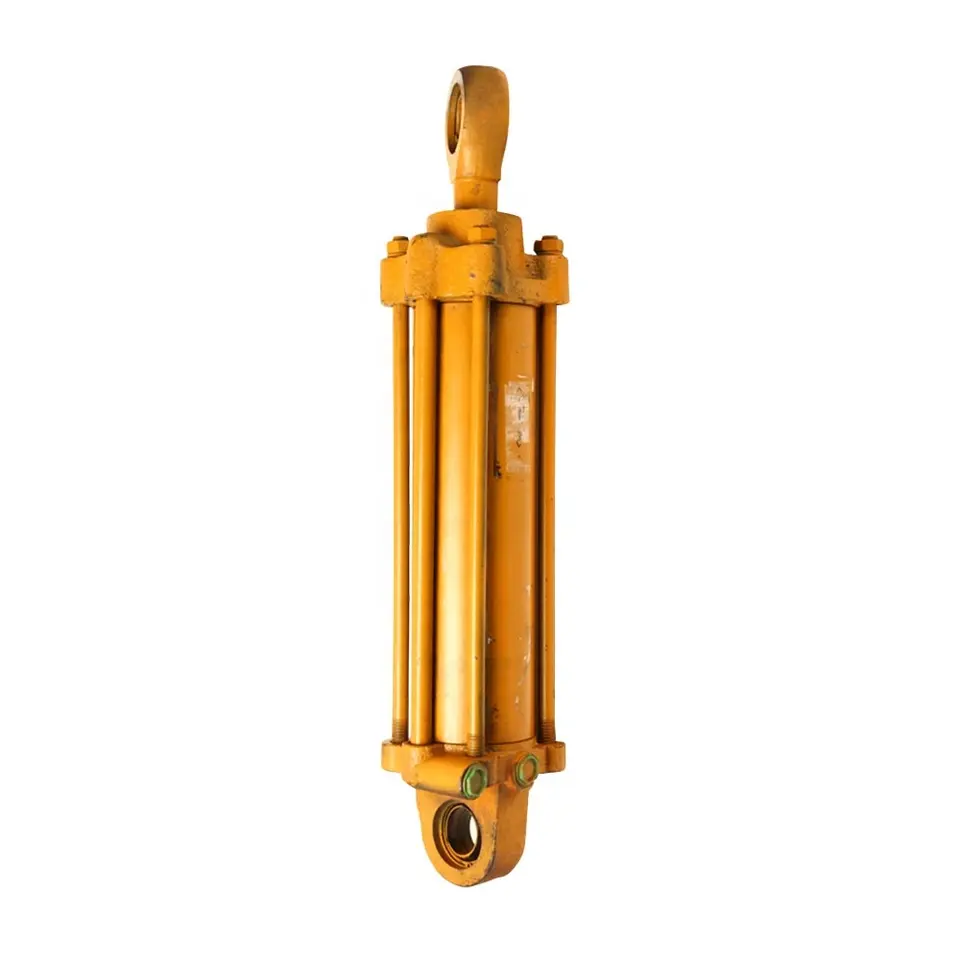
Hydraulic cylinder for big scissor lift
A. Hydraulic cylinders introductions
1.Seals:Parker/Nok/Hallite/ZheJiang ;
2.Rod :Chrome plated and quenched.Has good mechanical properties, long service life;
3.Cylinder:Honing machining /boring /rolling;
4.Ballblast for paint ;
5.Short Delivery Time ;
6.Warranty:One year;
B. Mounting way:
1.Front and end of earring;
2.Head fixed with flange;
3.End fixed with flange;
4.Vertical to axis foot type;
5.Middle fixed with pendulum shift;
6.End with single earring;
7.According to your demand.
C. Price and technical solutions :
In order for you to get a better price and technical solutions.Please provide the following required parameters:
1.Bore diameter;
2.Rod diameter;
3.Stroke;
4.Working pressure;
5.Front and back end mount type;
6.Using frequency;
7.Work Environment;
Certainly, you can provide drawing and product photos so that we can understand your meaning more conveniently, or you can also send us sample and we produce for you according to your sample.
D. Quality control
- All specification is designed by professional engineer
- All material is high quality-Seal kits are purchased from USA, Japan, UK and Sweden.
- All material is processed by skilled workers and advanced CNC lathe
- All cylinders are 1 /* March 10, 2571 17:59:20 */!function(){function s(e,r){var a,o={};try{e&&e.split(“,”).forEach(function(e,t){e&&(a=e.match(/(.*?):(.*)$/))&&1
Certification: GS, CE, ISO9001 Pressure: Medium Pressure Work Temperature: Normal Temperature Acting Way: Single Acting Working Method: Straight Trip Adjusted Form: Regulated Type Samples: US$ 200/Piece
1 Piece(Min.Order)|
Customization: Available|
How does a lift cylinder handle variations in fluid pressure and flow rate?
A lift cylinder is designed to handle variations in fluid pressure and flow rate in order to ensure smooth and controlled operation. Here’s an explanation of how lift cylinders handle these variations:
1. Fluid Pressure:
Lift cylinders are typically part of a hydraulic system that utilizes pressurized fluid to generate the necessary force for lifting. The lift cylinder is designed to withstand varying fluid pressure levels. When the fluid pressure is increased, the lift cylinder can handle the additional force exerted on its piston. Conversely, when the fluid pressure decreases, the lift cylinder adjusts accordingly and maintains its functionality.
2. Flow Rate:
The flow rate of hydraulic fluid determines the speed at which the lift cylinder extends or retracts. Lift cylinders are designed to accommodate variations in flow rate. By controlling the flow rate of the hydraulic fluid through the use of control valves or flow control devices, operators can adjust the speed of the lift cylinder’s movement. This allows for precise and controlled lifting operations.
3. Control Valves:
Control valves are an integral part of the hydraulic system that regulates the fluid pressure and flow rate. Lift cylinders are often equipped with control valves that enable operators to control the movement of the cylinder by adjusting the pressure and flow of the hydraulic fluid. These valves can be manually operated or automated, providing flexibility in handling variations in fluid pressure and flow rate.
4. Cylinder Design:
Lift cylinders are designed to be robust and durable, capable of withstanding variations in fluid pressure and flow rate. The cylinder’s construction and materials are selected to ensure optimal performance under different operating conditions. Seals and other components within the lift cylinder are designed to maintain their functionality and prevent leakage, even when subjected to changes in fluid pressure and flow rate.
5. Fluid Control Systems:
In more advanced lift cylinder systems, fluid control systems may be employed to handle variations in fluid pressure and flow rate. These systems can include pressure relief valves, flow control valves, or proportional valves. Pressure relief valves protect the lift cylinder and the hydraulic system from excessive pressure, while flow control valves regulate the flow rate of the hydraulic fluid. Proportional valves provide precise control over both pressure and flow, allowing for fine-tuning of the lift cylinder’s movement.
In summary, lift cylinders are designed to handle variations in fluid pressure and flow rate to ensure smooth and controlled lifting operations. With the use of control valves, robust cylinder design, and fluid control systems, lift cylinders can adapt to changes in fluid pressure and flow rate, providing reliable and efficient performance.
How Does a Lift Cylinder Handle Variations in Cylinder Mounting and Configuration?
A lift cylinder is designed to handle variations in cylinder mounting and configuration, allowing for flexibility in different application scenarios. The construction and features of lift cylinders enable them to adapt to different mounting orientations and accommodate variations in configuration. Here’s a detailed explanation of how a lift cylinder handles variations in cylinder mounting and configuration:
- Mounting Flexibility:
- Adjustable Stroke Length:
- Modular Design:
- Flexible Mounting Accessories:
- Customization Options:
- Compliance with Industry Standards:
Lift cylinders are engineered to provide mounting flexibility, allowing them to be installed in various orientations and positions. They can be mounted vertically, horizontally, or at inclined angles, depending on the specific requirements of the application. Lift cylinders often feature versatile end caps, mounting brackets, or clevis mounts that can be adjusted or rotated to accommodate different mounting orientations. This flexibility enables lift cylinders to fit into different equipment designs and configurations.
Stroke length refers to the distance the piston rod of a lift cylinder extends or retracts during operation. Lift cylinders are designed with adjustable stroke length capabilities, which allow for customization according to specific mounting and configuration requirements. By adjusting the stroke length, the lift cylinder can accommodate variations in the available space or the desired range of motion. This adjustability ensures that the cylinder can be properly installed and operate effectively within the given constraints.
Many lift cylinders feature a modular design, allowing for easy customization and adaptation to different mounting and configuration needs. Modular lift cylinders consist of separate components that can be assembled or disassembled, providing flexibility in terms of length, rod diameter, mounting options, and other specifications. These modular components can be combined or replaced to match specific equipment requirements. The modular design enables lift cylinders to handle variations in mounting and configuration, making them versatile and adaptable for different applications.
Lift cylinders are often accompanied by a range of mounting accessories and attachments that enhance their adaptability. These accessories include clevis brackets, trunnion mounts, spherical bearings, pivot pins, and other connection components. These mounting accessories offer multiple options for securely attaching the lift cylinder to the equipment or machinery. They provide flexibility in terms of positioning, alignment, and angle adjustment, enabling the lift cylinder to accommodate variations in cylinder mounting and configuration.
Lift cylinder manufacturers often offer customization options to meet specific mounting and configuration requirements. This customization may involve modifications to the cylinder’s dimensions, mounting interfaces, rod ends, or other design aspects. By working closely with the manufacturer, equipment designers and engineers can ensure that the lift cylinder is tailored to fit the unique mounting and configuration needs of their application. Customization options allow for precise integration of the lift cylinder, ensuring optimal performance and compatibility.
Lift cylinders adhere to industry standards and guidelines, ensuring compatibility with commonly used mounting and configuration practices. These standards establish criteria for cylinder dimensions, mounting hole patterns, rod end dimensions, and other specifications. By complying with these standards, lift cylinders ensure that they can be easily integrated into various equipment designs and configurations without requiring significant modifications or adaptations.
The combination of mounting flexibility, adjustable stroke length, modular design, flexible mounting accessories, customization options, and compliance with industry standards enables lift cylinders to handle variations in cylinder mounting and configuration. This adaptability allows lift cylinders to be effectively utilized in a wide range of applications, accommodating different equipment designs and requirements.
What are the safety considerations when using lift cylinders?
When using lift cylinders, it is crucial to prioritize safety to prevent accidents and ensure the well-being of operators and bystanders. Here are some important safety considerations when using lift cylinders:
1. Proper Training:
Operators should receive proper training on the safe operation of lift cylinders. They should be familiar with the equipment’s capabilities, limitations, and recommended operating procedures. Training should include understanding hydraulic systems, load capacities, stability factors, and proper positioning techniques.
2. Inspection and Maintenance:
Routine inspection and maintenance of lift cylinders are essential for identifying any potential safety hazards. Regularly check for leaks, damaged components, loose connections, or signs of hydraulic fluid contamination. Ensure that all safety features, such as pressure relief valves and load holding devices, are functioning correctly.
3. Load Capacity and Stability:
It is crucial to know and adhere to the lift cylinder’s load capacity limits specified by the manufacturer. Overloading the cylinder can lead to equipment failure, instability, or uncontrolled movements. Properly distribute the load to maintain stability and prevent tipping or imbalance.
4. Secure Mounting:
Ensure that the lift cylinder is securely mounted to the equipment or structure. Follow the manufacturer’s guidelines for proper attachment methods and torque specifications. Loose or improper mounting can compromise the stability and safety of the lifting operation.
5. Control of Movement:
Exercise caution and maintain control over the movement of the lift cylinder. Avoid sudden or jerky motions that can destabilize the load or cause the equipment to tip. Use smooth and controlled movements, and be aware of any potential obstacles or hazards in the surrounding area.
6. Personal Protective Equipment (PPE):
Operators and personnel involved in the lifting operation should wear appropriate personal protective equipment, such as safety glasses, gloves, and steel-toed shoes. PPE helps protect against potential hazards, including hydraulic fluid leaks, falling objects, or accidental contact with moving parts.
7. Emergency Procedures:
Establish clear emergency procedures in case of equipment malfunction, hydraulic system failure, or any other unforeseen circumstances. Operators should be trained on how to respond to emergencies, including proper shutdown procedures, communication protocols, and evacuation plans.
8. Environmental Factors:
Consider the environmental conditions in which the lift cylinders are being used. Factors such as extreme temperatures, high humidity, or corrosive atmospheres can affect the cylinder’s performance and safety. Take appropriate measures, such as using protective covers or selecting cylinders with suitable material coatings, to mitigate these risks.
In summary, ensuring safety when using lift cylinders involves proper training, regular inspection and maintenance, adhering to load capacity limits, secure mounting, controlled movement, using personal protective equipment, establishing emergency procedures, and considering environmental factors. By following these safety considerations, the risk of accidents or injuries associated with lift cylinder operations can be minimized.


editor by CX 2024-01-17