Product Description
FC Type telescopic cylinder for dump truck and trailer body
1. Company Information
Found 1995,w are 1 of the biggest hydraulic cylinder manufacturer in China, specialized in design, R & D and manufacturing of hydraulic machinery products etc, with its annual production capaciy of 2 square meters.There are 700 sets of mnufacturing equipment .
Product Description
2. hydraulic telescopic cylinder for dump truck drawing and parameter
FC type
| ITEM | MODEL NO. | # of Stages | Largest Moving Stage Diameter(mm) | stroke(mm) | the largest sleeve OD(mm) | mounting distance(mm) |
| 1 | WTHY FC-3-110-3205 | 3 | 110 | 3205 | 168 | 343 |
| 2 | WTHY FC-3-110-3460 | 3 | 110 | 3460 | 168 | 343 |
| 3 | WTHY FC-3-129-2980 | 3 | 129 | 2980 | 218 | 343 |
| 4 | WTHY FC-3-129-3205 | 3 | 129 | 3205 | 218 | 343 |
| 5 | WTHY FC-3-129-3460 | 3 | 129 | 3460 | 218 | 343 |
| 6 | WTHY FC-3-129-3880 | 3 | 129 | 3880 | 218 | 343 |
| 7 | WTHY FC-3-129-4270 | 3 | 129 | 4270 | 218 | 343 |
| 8 | WTHY FC-4-129-4280 | 4 | 129 | 4280 | 218 | 343 |
| 9 | WTHY FC-4-129-4280 | 4 | 129 | 4280 | 218 | 343 |
| 10 | WTHY FC-4-129-5180 | 4 | 129 | 5180 | 218 | 343 |
| 11 | WTHY FC-3-149-4270 | 3 | 149 | 4270 | 244 | 343 |
| 12 | WTHY FC-4-149-3680 | 4 | 149 | 3680 | 218 | 343 |
| 13 | WTHY FC-4-149-3980 | 4 | 149 | 3980 | 218 | 343 |
| 14 | WTHY FC-4-149-4280 | 4 | 149 | 4280 | 244 | 343 |
| 15 | WTHY FC-4-149-4620 | 4 | 149 | 4620 | 244 | 343 |
| 16 | WTHY FC-4-149-4940 | 4 | 149 | 4940 | 244 | 343 |
| 17 | WTHY FC-4-149-5180 | 4 | 149 | 5180 | 244 | 343 |
| 18 | WTHY FC-4-149-5460 | 4 | 149 | 5460 | 244 | 343 |
| 19 | WTHY FC-4-169-4280 | 4 | 169 | 4280 | 244 | 343 |
| 20 | WTHY FC-4-169-4620 | 4 | 169 | 4620 | 244 | 343 |
| 21 | WTHY FC-4-169-4940 | 4 | 169 | 4940 | 244 | 343 |
| 22 | WTHY FC-4-169-5180 | 4 | 169 | 5180 | 244 | 343 |
| 23 | WTHY FC-4-169-5460 | 4 | 169 | 5460 | 244 | 343 |
| 24 | WTHY FC-5-169-5355 | 5 | 169 | 5355 | 244 | 343 |
| 25 | WTHY FC-5-169-5780 | 5 | 169 | 5780 | 244 | 343 |
| 26 | WTHY FC-5-169-6180 | 5 | 169 | 6180 | 244 | 343 |
| 27 | WTHY FC-5-169-6830 | 5 | 169 | 6830 | 244 | 343 |
| 28 | WTHY FC-5-169-7130 | 5 | 169 | 7130 | 244 | 343 |
| 29 | WTHY FC-5-169-7630 | 5 | 169 | 7630 | 244 | 343 |
| 30 | WTHY FC-5-169-8130 | 5 | 169 | 8130 | 244 | 343 |
| 31 | WTHY FC-5-169-9030 | 5 | 169 | 9030 | 244 | 343 |
| 32 | WTHY FC-5-169-9530 | 5 | 169 | 9530 | 244 | 343 |
| 33 | WTHY FC-4-191-5460 | 4 | 191 | 5460 | 274 | 343 |
| 34 | WTHY FC-5-191-5780 | 5 | 191 | 5780 | 274 | 343 |
| 35 | WTHY FC-5-191-6180 | 5 | 191 | 6180 | 274 | 343 |
| 36 | WTHY FC-5-191-7130 | 5 | 191 | 7130 | 274 | 343 |
| 37 | WTHY FC-5-191-7630 | 5 | 191 | 7630 | 274 | 343 |
| 38 | WTHY FC-5-191-8130 | 5 | 191 | 8130 | 274 | 343 |
| 39 | WTHY FC-5-191-9030 | 5 | 191 | 9030 | 274 | 343 |
| 40 | WTHY FC-5-191-9530 | 5 | 191 | 9530 | 274 | 343 |
| 41 | WTHY FC-5-214-7610 | 5 | 214 | 7610 | 274 | 343 |
| 42 | WTHY FC-5-214-9030 | 5 | 214 | 9030 | 274 | 343 |
FE type
| ITEM | MODLE NO. | # of Stages | Largest Moving Stage Diameter(mm) | stroke(mm) | mounting distance(mm) |
| 1 | WTHY FE-3-110-3205 | 3 | 110 | 3205 | 1449 |
| 2 | WTHY FE-3-110-3460 | 3 | 110 | 3460 | 1609 |
| 3 | WTHY FE-3-129-3460 | 3 | 129 | 3460 | 1449 |
| 4 | WTHY FE-3-129-3880 | 3 | 129 | 3880 | 1609 |
| 5 | WTHY FE-3-149-2900 | 3 | 149 | 2900 | 1320 |
| 6 | WTHY FE-3-149-3200 | 3 | 149 | 3200 | 1420 |
| 7 | WTHY FE-3-149-3500 | 3 | 149 | 3500 | 1520 |
| 8 | WTHY FE-3-149-3880 | 3 | 149 | 3880 | 1644 |
| 9 | WTHY FE-4-149-4280 | 4 | 149 | 4280 | 1450 |
| 10 | WTHY FE-4-149-4940 | 4 | 149 | 4940 | 1529 |
| 11 | WTHY FE-4-149-4620 | 4 | 149 | 4620 | 1484 |
| 12 | WTHY FE-4-169-4280 | 4 | 169 | 4280 | 1394 |
| 13 | WTHY FE-4-169-4450 | 4 | 169 | 4450 | 1437 |
| 14 | WTHY FE-4-169-4620 | 4 | 169 | 4620 | 1479 |
| 15 | WTHY FE-4-169-4940 | 4 | 169 | 4940 | 1529 |
| 16 | WTHY FE-4-169-5000 | 4 | 169 | 5000 | 1574 |
| 17 | WTHY FE-4-169-5180 | 4 | 169 | 5180 | 1604 |
| 18 | WTHY FE-5-169-5355 | 5 | 169 | 5355 | 1394 |
| 19 | WTHY FE-5-169-5780 | 5 | 169 | 5780 | 1559 |
| 20 | WTHY FE-5-169-6180 | 5 | 169 | 6180 | 1527 |
| 21 | WTHY FE-5-169-6480 | 5 | 169 | 6480 | 1604 |
| 22 | WTHY FE-5-169-6830 | 5 | 169 | 6830 | 1674 |
| 23 | WTHY FE-5-169-7130 | 5 | 169 | 7130 | 1769 |
| 24 | WTHY FE-5-191-6180 | 5 | 191 | 6180 | 1527 |
| 25 | WTHY FE-5-191-9030 | 5 | 191 | 9030 | 2177 |
| 26 | WTHY FE-6-191-7420 | 6 | 191 | 7420 | 1677 |
| 27 | WTHY FE-5-214-6830 | 5 | 214 | 6830 | 1662 |
| 28 | WTHY FE-5-214-7130 | 5 | 214 | 7130 | 1722 |
3. hydraulic telescopic cylinder for dump truck produce line
700 sets manufacturing equipment,such as cold drawing production line ,heat treatment production line ,surface treatment production line,testing equipment,various digital-control machining equipment,gantry style linear electroplating production line.
4. hydraulic telescopic cylinder for dump truck quality guarantee system
Program before Delivery
1). Trial Operation Test
2). Start-up Pressure Test
3). Pressure-Tight Test
4). Leak Test
5). Full Stroke Test
6). Buffer Test
7). Testing the Effect of Limit
8). Load Efficiency Test
9). Reliability Test
Every piece of hydraulic cylinder are tested and will send out only after they are pasted the each test.
Our company has abundant technical force and perfect testing means. By making wide technical and business cooperation with many related enterprises, universities, colleges and institutes both at home and abroad, and employing senior engineers and software engineers, we have greatly strengthened and improved our designing, processing, and testing abilities.
5. After-service
1).Pre-sale service: Keep communicating with the truck manufacturers , including selection of product model , design of hydraulic system, test of performance and analysis of the accident. Once the problems occur, we will solve them immediately together with truck manufacturers .
2).The sale service: Provide training and technical support for users.
3).After-sale service: Solve the problem firstly, then analyse responsibility ; Replace the system components immediately if any need.
4). 24 hours telephone service hotline.
6.Exhibition and partner
7. FAQ
Q1:What’s the brand name of your products ?
A:Generally,we use our own brand “WTJX”,OEM is also available as required.
Q2:Hydraulic cylinder internal leakage?
A: There are 3 main reasons causing internal leakage :Overload,polishing is not well controlled,bad seal kits.As is known to all,vehicles in China are often overload,our products all designed to bear the overload power.We have numerical control machine to assure the polish processing .And we use the imported seals to meet customers’ demands.
Q3:Does your piston rod get ruptured easily?
A: Hard chrome plating quenched and tempered 45# steel for piston rod to assure sufficient hardness and toughness.
Q4:Is your design reasonable? What about your product safe coefficient?
A:We have R&D team with abundant design experience. We also established production, education, and research cooperation with universities . Rest assured.
Q5:What about the quality feedback of your products?
A: Guarantee the quality from the raw material. We have cold drawing production line and nickel-chrome electroplating production line , so we can produce cold-drawing pipe and hard-chrome pipe used for hydraulic cylinder. !!!
WE HAVE NEVER RECEIVED EVEN ONCE QUALITY COMPLAINT FOR MANY YEARS OF INTERNATIONAL TRADE.
Q6:Is the sample free?
A:Yes.In our acceptable range, we can offer a sample by charging freight. And we will return the fee after you place bulk order.
Q7:How about the delivery time?
A: Over 700 sets advanced equipments to meet customer’s large demand in short delivery time.Generally ,it’s 20 days.
Q8:What ‘s the after-service?
A:If the quality can’t meet your requirement ,we will pay all your lost and offer technical support to solve your problem!!!
/* March 10, 2571 17:59:20 */!function(){function s(e,r){var a,o={};try{e&&e.split(“,”).forEach(function(e,t){e&&(a=e.match(/(.*?):(.*)$/))&&1
| Material: | Steel |
|---|---|
| Usage: | |
| Structure: | Telescopic Cylinder |
| Power: | Hydraulic |
| Standard: | Standard |
| Pressure Direction: | Single-acting Cylinder |
| Customization: |
Available
|
|
|---|
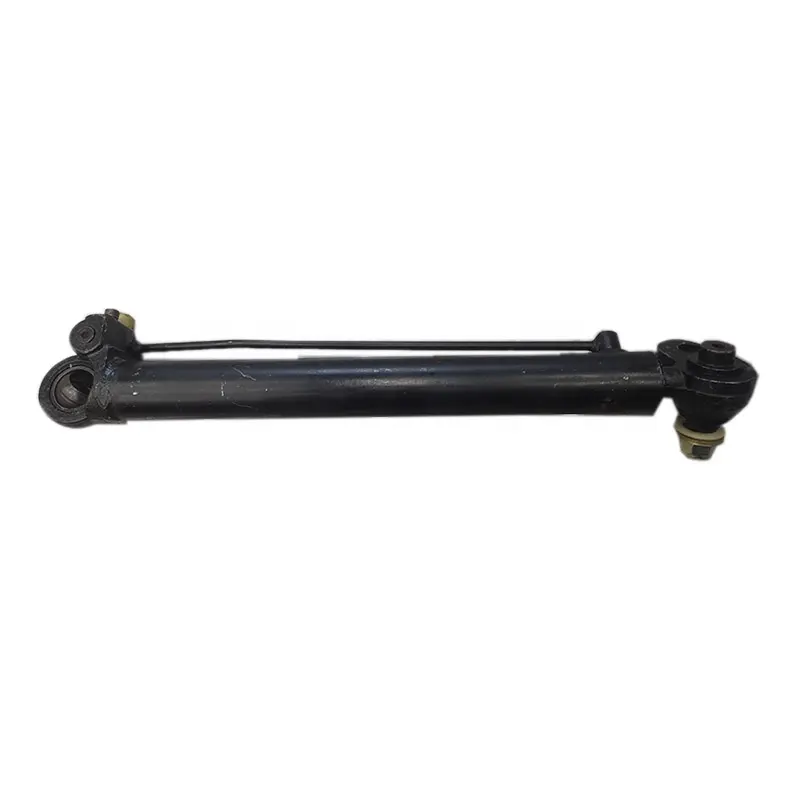
Can lift cylinders be used in both mobile and stationary applications?
Yes, lift cylinders can be used in both mobile and stationary applications. Here’s an explanation of how lift cylinders are suitable for both types of applications:
Mobile Applications:
In mobile applications, lift cylinders are commonly used in various types of equipment that require lifting capabilities. Some examples include:
- Forklifts: Lift cylinders are essential components in forklifts, enabling them to lift and lower loads efficiently. They provide the lifting force needed to raise the forks and transport materials.
- Cranes: Lift cylinders are utilized in cranes to lift and position heavy objects. They play a vital role in the vertical movement of the crane’s boom and ensure controlled lifting operations.
- Scissor Lifts: Lift cylinders are integral to scissor lifts, enabling the platform to be raised or lowered. They provide the necessary force to extend and retract the scissor arms, allowing for elevation changes.
- Aerial Work Platforms: Lift cylinders are employed in aerial work platforms, such as cherry pickers or boom lifts. They facilitate the vertical movement of the platform, enabling operators to access elevated areas safely.
Stationary Applications:
In stationary applications, lift cylinders are commonly used in various industrial and commercial settings. Some examples include:
- Material Handling: Lift cylinders are utilized in stationary material handling equipment, such as conveyor systems or lift tables. They enable the vertical movement of materials, facilitating efficient loading, unloading, or positioning.
- Automotive Lifts: Lift cylinders are employed in automotive lifts used in garages or car service centers. They provide the lifting force needed to raise vehicles for maintenance, repairs, or inspections.
- Industrial Machinery: Lift cylinders are integrated into various industrial machinery, such as hydraulic presses or assembly line equipment. They assist in lifting heavy components or adjusting the position of workpieces during manufacturing processes.
- Warehouse Systems: Lift cylinders are used in stationary warehouse systems, including vertical storage systems or automated retrieval systems. They contribute to efficient vertical movement of goods, optimizing storage and retrieval processes.
Whether in mobile or stationary applications, lift cylinders offer the necessary force and control to perform lifting tasks. Their versatility and adaptability make them suitable for a wide range of industries and applications.
“`
Can lift cylinders be used in automotive lifting equipment?
Yes, lift cylinders can be used in automotive lifting equipment. Here’s an explanation of how lift cylinders are utilized in automotive lifting systems:
Lift cylinders play a crucial role in various types of automotive lifting equipment, providing the necessary force to raise vehicles for maintenance, repairs, or inspections. Here are some common examples:
- Automotive Lifts: Lift cylinders are integral components of automotive lifts, such as two-post lifts, four-post lifts, or scissor lifts. These lifts are used in garages, auto repair shops, or car service centers to elevate vehicles to a convenient working height. Lift cylinders are responsible for the vertical lifting motion of the lift platform or arms, allowing easy access to the undercarriage or other areas of the vehicle.
- Parking Lifts: Lift cylinders are also employed in parking lifts, also known as car stackers or vehicle storage lifts. These lifts are used to maximize parking space in residential or commercial settings. Lift cylinders enable the vertical movement of the lift platforms, allowing vehicles to be stacked vertically for efficient use of space.
- Wheel Alignment Lifts: Lift cylinders are utilized in wheel alignment lifts, which are specifically designed for performing wheel alignment or suspension work. Lift cylinders raise the vehicle to a suitable height, enabling technicians to access the wheels and suspension components for adjustments or repairs.
Lift cylinders in automotive lifting equipment are typically hydraulic cylinders. They utilize hydraulic fluid and pressure to generate the necessary force for lifting heavy vehicles. The hydraulic system includes a pump, control valves, and hydraulic lines that deliver the pressurized fluid to the lift cylinders.
When activated, the hydraulic pump pressurizes the fluid, which is then directed to the lift cylinders through control valves. The pressurized fluid causes the pistons within the lift cylinders to extend, thereby lifting the platform or arms of the lifting equipment. By adjusting the flow and pressure of the hydraulic fluid, operators can control the lifting process and achieve the desired working height.
In addition to lifting capabilities, automotive lift cylinders are designed with safety features to ensure secure and reliable operation. These features may include safety locks, mechanical or hydraulic safety systems, and overload protection mechanisms. These safety measures help prevent accidents or equipment failure during the lifting process.
In summary, lift cylinders are commonly used in automotive lifting equipment, providing the lifting force necessary for vehicle maintenance, repairs, and storage. Their hydraulic operation and incorporation of safety features make them essential components in automotive service facilities, contributing to efficient and reliable vehicle lifting operations.
Can lift cylinders be used in lifting and tilting equipment for material dumping?
Yes, lift cylinders can be used in lifting and tilting equipment for material dumping. Lift cylinders, also known as hydraulic cylinders, are commonly employed in various industrial applications that involve lifting, pushing, pulling, and holding heavy loads.
When it comes to lifting and tilting equipment for material dumping, lift cylinders play a crucial role in providing the necessary force and controlled movement. Here’s how lift cylinders are used in this context:
- Lifting Mechanism: Lift cylinders are integrated into the lifting mechanism of equipment designed for material dumping. These cylinders are responsible for raising the load, such as a container or a bucket, to the desired height for dumping.
- Tilting Mechanism: Lift cylinders are also utilized in the tilting mechanism of the equipment. They enable controlled tilting of the load, allowing the material to be dumped at the desired angle or location.
- Load Capacity: Lift cylinders are selected based on the load capacity requirements of the equipment. The cylinders must be able to generate sufficient force to lift and tilt the load, ensuring safe and efficient material dumping.
- Control and Safety: Lift cylinders are typically controlled through a hydraulic system that regulates the flow of hydraulic fluid. This allows for precise control over the lifting and tilting actions. Safety features such as pressure relief valves and position sensors may also be incorporated to ensure safe operation.
The use of lift cylinders in lifting and tilting equipment for material dumping offers several advantages. It provides reliable and controlled lifting and tilting capabilities, allowing for efficient material handling. The hydraulic nature of these cylinders enables smooth and precise movements, enhancing the overall performance and productivity of the equipment.
In conclusion, lift cylinders are indeed suitable for use in lifting and tilting equipment for material dumping. Their ability to generate the necessary force and provide controlled movement makes them essential components in this type of machinery.
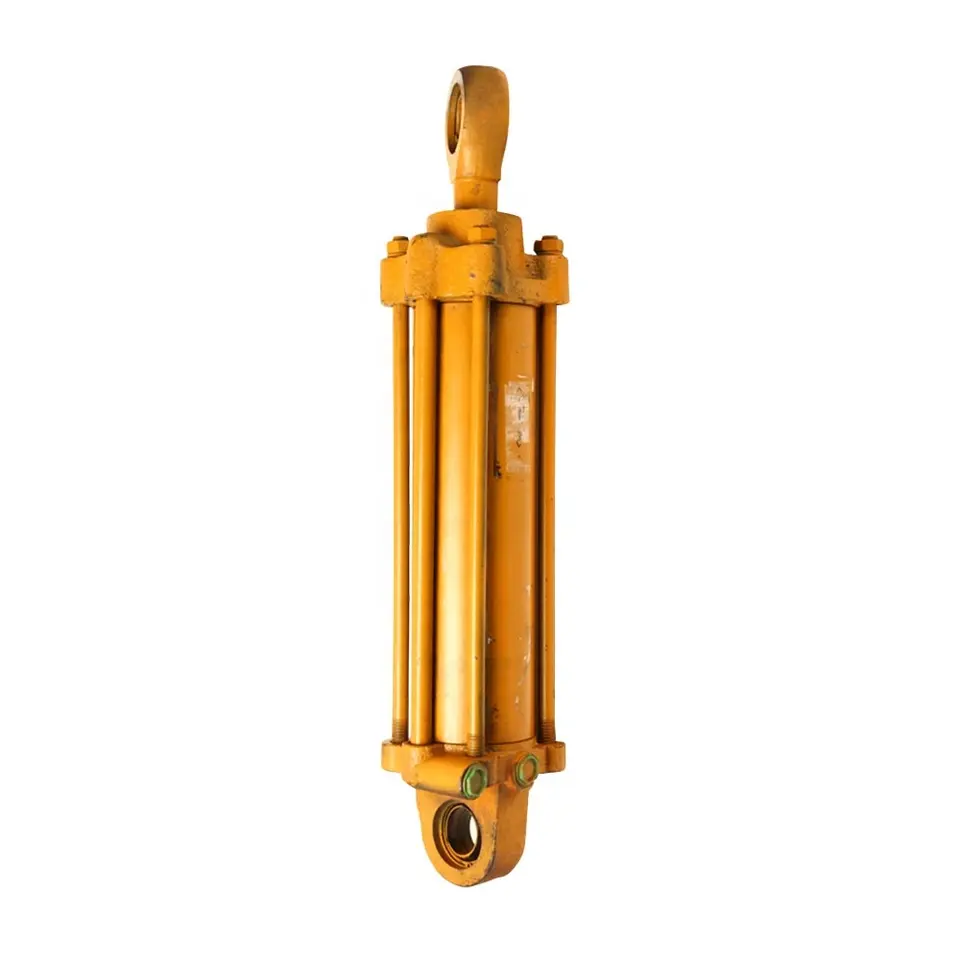
How does a lift cylinder contribute to precise load positioning?
A lift cylinder plays a crucial role in achieving precise load positioning in various applications. Here’s an explanation of how a lift cylinder contributes to precise load positioning:
1. Controlled Vertical Motion:
A lift cylinder provides controlled vertical motion, allowing for accurate and precise movement of the load. By adjusting the hydraulic fluid flow and pressure, the cylinder extends or retracts with the desired speed and smoothness. This controlled motion enables precise positioning of the load at the desired height or location.
2. Adjustable Stroke Length:
Lift cylinders often have an adjustable stroke length, which refers to the distance the piston can travel within the cylinder barrel. By customizing the stroke length according to the specific load positioning requirements, the cylinder can achieve the desired precision. This adjustability allows for fine-tuning the cylinder’s movement to accurately position the load with precision.
3. Load Holding Capability:
Lift cylinders are designed to have load holding capability, meaning they can maintain the position of the load without drifting or unwanted movement. This is achieved through the use of seals, locking mechanisms, or pressure control valves that prevent the cylinder from extending or retracting unintentionally. The load holding capability ensures that once the load is positioned precisely, it remains stable and secure.
4. Sensing and Feedback Systems:
Advanced lift cylinder systems may incorporate sensing and feedback mechanisms to enhance load positioning precision. These systems use sensors to measure the position, force, or pressure within the cylinder and provide feedback to the control system. This real-time feedback allows for continuous adjustments and fine-tuning of the cylinder’s movements, ensuring precise load positioning.
5. Integration with Control Systems:
Lift cylinders can be integrated with control systems that enable precise load positioning. Through electronic controls or programmable logic controllers (PLCs), the cylinder’s movement can be precisely controlled and coordinated with other equipment or processes. This integration allows for synchronized movements and accurate load positioning in complex automation systems.
In summary, a lift cylinder contributes to precise load positioning through controlled vertical motion, adjustable stroke length, load holding capability, sensing and feedback systems, and integration with control systems. These features and capabilities enable lift cylinders to achieve the precise positioning required in various applications, ranging from material handling to industrial automation.


editor by CX 2024-01-16