Product Description
Product Title: CHINAMFG forklift parts forklift hydraulic lift cylinder tilt steering cylinder with the best price from China
Product Model: DK938-51551 Forklift lift cylinder for CHINAMFG forklift CPCD30
| Item | Description |
| Product Name | Forklift Lift cylinder (HL2.5T, 2 level 3M right) |
| P/N | YY-DK938-51551-HL |
| Applied Model | For CHINAMFG forklift truck 2.5T (Genuine forklift parts) |
| Net Weight (kg) | 26 |
| Gross Weight (kg) | 29 |
| Qty per Carton | 1 |
| Carton Size (cm) | 180*10*18 |
Forklift Lift Cylinder Features
- Forklift lift cylinder is made of high-quality alloy steel after being scraped and rolled through the inner hole;
- The piston rod of forklift lift cylinder is based on quenching and tempering, and the outer circle is coated with hard chrome, which has high rust and wear resistance;
- Forklift lift cylinder seals adopt international famous brands.
Specification of Forklift Lift Cylinder
| Name | Unit | Parameter |
| Cylinders diameter (piston diameter) | mm | 40~160 |
| Rod diameter (piston rod diameter) | mm | 20~120 |
| Stroke | mm | 50~2500 |
| Pressure | MPa | 16~25 |
| Operating temperature | ºC | -40~120 |
| Piston rod coating NSS neutral salt spray test time | H | ≥96 |
What is the strength of your company?
The strength of our company is that we have the full range of forklift parts for CHINAMFG forklift, and many parts for JAC forklift, CHINAMFG forklift, the full range of China engines and parts for Xinchai, Quanchai, FAW, YTO, Zhaochai, forklift transmission parts, forklift axle parts, forklift brake parts, forklift hydraulic parts, forklift electric parts, forklift bearing, forklift mast,forklift filter, forklift seal, forklift tire and forklift rim etc. If you are interested in China brand forklift, our company is the best choice, please contact us for a better quotation.
Can I visit your company online?
Yes, please visit our company online. We have taken many videos in our warehouse. These videos is uploaded to our YouTube channel. Our youtube channel is @leadingforkliftparts. Please watch these videos and visit our company online. /* March 10, 2571 17:59:20 */!function(){function s(e,r){var a,o={};try{e&&e.split(“,”).forEach(function(e,t){e&&(a=e.match(/(.*?):(.*)$/))&&1
| Material: | Carbon Steel |
|---|---|
| Surface Treatment: | Electroplating |
| Customized: | Non-Customized |
| Standard: | Standard |
| Application: | for Heli Forklift Cpcd30 |
| Feature: | Cost-Effective OEM Forklift Parts |
| Samples: |
US$ 158.7/Piece
1 Piece(Min.Order) | |
|---|
| Customization: |
Available
|
|
|---|
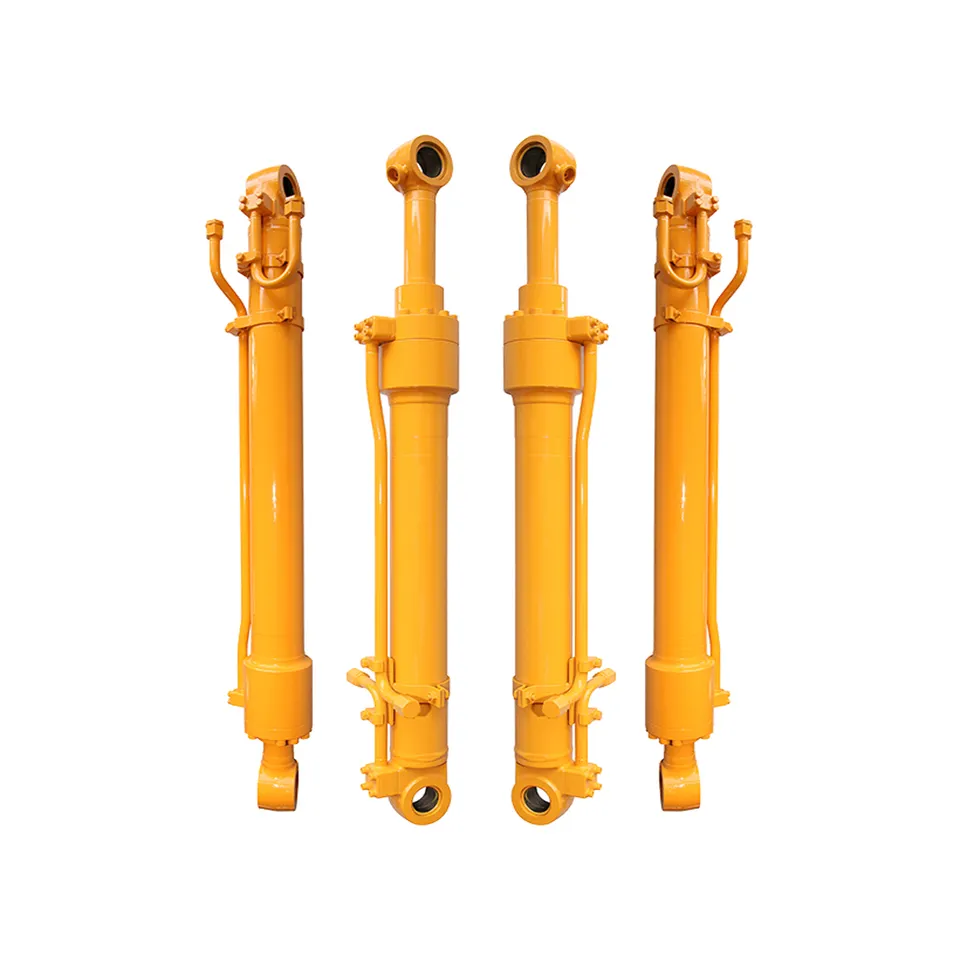
Can lift cylinders be used in dock levelers and loading ramps?
Yes, lift cylinders can be used in dock levelers and loading ramps. Here’s an explanation of their utilization in these applications:
Dock levelers and loading ramps are essential equipment in logistics and transportation facilities, allowing for efficient loading and unloading of goods between trucks and loading docks. Lift cylinders play a crucial role in these systems by providing the necessary lifting and positioning capabilities.
In dock levelers, lift cylinders are employed to bridge the gap between the loading dock and the truck bed, ensuring a smooth transition for material handling equipment such as forklifts or pallet jacks. These cylinders are typically integrated into the mechanical or hydraulic systems of the dock leveler, allowing for controlled vertical movement. By extending or retracting the lift cylinders, the dock leveler can be adjusted to match the height of the truck bed, enabling safe and efficient loading or unloading of cargo.
Loading ramps, also known as mobile yard ramps or portable ramps, are used in situations where a permanent loading dock is not available or when additional flexibility is required. Lift cylinders are utilized in loading ramps to provide the means for height adjustment and inclination control. By extending or retracting the lift cylinders, the ramp can be raised or lowered to align with the truck bed height, facilitating the movement of goods between the ramp and the truck.
The use of lift cylinders in dock levelers and loading ramps ensures precise and controlled positioning during the loading and unloading process. Operators can adjust the lift cylinders to match the specific height requirements, allowing for smooth and safe transfer of materials without causing damage to the goods or the equipment.
Lift cylinders used in dock levelers and loading ramps are designed to withstand heavy loads and endure frequent use. They are constructed with robust materials and incorporate features such as seals and bearings to ensure durability and reliability in demanding industrial environments.
Furthermore, lift cylinders in dock levelers and loading ramps may incorporate safety features such as automatic descent control or velocity fuses. These safety mechanisms help prevent sudden drops or uncontrolled movements in the event of a hydraulic system failure, enhancing the overall safety of the loading and unloading operations.
In summary, lift cylinders are commonly utilized in dock levelers and loading ramps to provide reliable and controlled lifting and positioning capabilities. Their ability to handle heavy loads, facilitate height adjustment, and incorporate safety features makes them integral components in these applications, contributing to efficient and safe material handling operations.
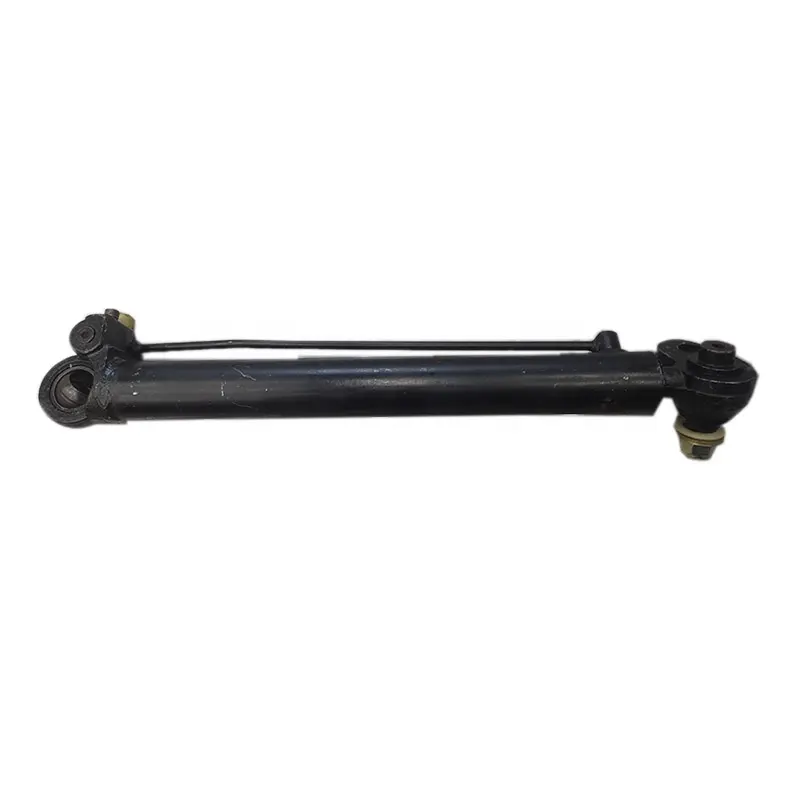
Can lift cylinders be used in agricultural machinery and equipment?
Yes, lift cylinders are commonly used in agricultural machinery and equipment. Here’s an explanation of their utilization in this context:
Agricultural machinery and equipment often require lifting capabilities to perform various tasks such as loading, lifting, and adjusting components. Lift cylinders provide the necessary force and control to accomplish these operations effectively.
1. Tractors and Loaders:
Lift cylinders are extensively used in agricultural tractors and loaders. These cylinders are typically integrated into the hydraulic systems of the equipment and are responsible for lifting and lowering front-end attachments, such as buckets, forks, or blades. By extending and retracting the lift cylinders, operators can control the height and position of the attachments, enabling efficient material handling, loading, and leveling tasks.
2. Harvesting and Threshing Equipment:
In harvesting and threshing equipment, lift cylinders are employed to adjust and control the height of components such as headers, cutter bars, or platforms. These cylinders enable operators to adapt to different crop heights and ground conditions, ensuring optimal harvesting performance. By utilizing lift cylinders, agricultural machinery can effectively navigate uneven terrain and maintain consistent cutting or harvesting heights.
3. Sprayers and Spreaders:
Lift cylinders are also utilized in agricultural sprayers and spreaders. These cylinders are responsible for raising and lowering the booms or spreading mechanisms. By adjusting the lift cylinders, operators can control the application height or spreading width, ensuring precise and uniform coverage of fertilizers, pesticides, or seeds.
4. Irrigation Systems:
In irrigation systems, lift cylinders are used to control the height and position of irrigation equipment such as sprinklers or pivots. These cylinders allow for efficient adjustment of the irrigation components to ensure optimal water distribution across agricultural fields.
5. Implements and Attachments:
Lift cylinders are widely employed in various agricultural implements and attachments, including plows, harrows, cultivators, and seed drills. These cylinders facilitate the lifting and lowering of the implements, allowing for depth adjustments, ground clearance, and transport modes. Lift cylinders enhance the versatility and functionality of agricultural equipment, enabling farmers to efficiently perform a wide range of field operations.
In summary, lift cylinders have significant applications in agricultural machinery and equipment. They contribute to the lifting, lowering, and positioning tasks required for efficient material handling, leveling, harvesting, spreading, and irrigation operations. By utilizing lift cylinders, agricultural equipment becomes more versatile, productive, and adaptable to the specific needs of farmers and agricultural practices.
What are the safety considerations when using lift cylinders?
When using lift cylinders, it is crucial to prioritize safety to prevent accidents and ensure the well-being of operators and bystanders. Here are some important safety considerations when using lift cylinders:
1. Proper Training:
Operators should receive proper training on the safe operation of lift cylinders. They should be familiar with the equipment’s capabilities, limitations, and recommended operating procedures. Training should include understanding hydraulic systems, load capacities, stability factors, and proper positioning techniques.
2. Inspection and Maintenance:
Routine inspection and maintenance of lift cylinders are essential for identifying any potential safety hazards. Regularly check for leaks, damaged components, loose connections, or signs of hydraulic fluid contamination. Ensure that all safety features, such as pressure relief valves and load holding devices, are functioning correctly.
3. Load Capacity and Stability:
It is crucial to know and adhere to the lift cylinder’s load capacity limits specified by the manufacturer. Overloading the cylinder can lead to equipment failure, instability, or uncontrolled movements. Properly distribute the load to maintain stability and prevent tipping or imbalance.
4. Secure Mounting:
Ensure that the lift cylinder is securely mounted to the equipment or structure. Follow the manufacturer’s guidelines for proper attachment methods and torque specifications. Loose or improper mounting can compromise the stability and safety of the lifting operation.
5. Control of Movement:
Exercise caution and maintain control over the movement of the lift cylinder. Avoid sudden or jerky motions that can destabilize the load or cause the equipment to tip. Use smooth and controlled movements, and be aware of any potential obstacles or hazards in the surrounding area.
6. Personal Protective Equipment (PPE):
Operators and personnel involved in the lifting operation should wear appropriate personal protective equipment, such as safety glasses, gloves, and steel-toed shoes. PPE helps protect against potential hazards, including hydraulic fluid leaks, falling objects, or accidental contact with moving parts.
7. Emergency Procedures:
Establish clear emergency procedures in case of equipment malfunction, hydraulic system failure, or any other unforeseen circumstances. Operators should be trained on how to respond to emergencies, including proper shutdown procedures, communication protocols, and evacuation plans.
8. Environmental Factors:
Consider the environmental conditions in which the lift cylinders are being used. Factors such as extreme temperatures, high humidity, or corrosive atmospheres can affect the cylinder’s performance and safety. Take appropriate measures, such as using protective covers or selecting cylinders with suitable material coatings, to mitigate these risks.
In summary, ensuring safety when using lift cylinders involves proper training, regular inspection and maintenance, adhering to load capacity limits, secure mounting, controlled movement, using personal protective equipment, establishing emergency procedures, and considering environmental factors. By following these safety considerations, the risk of accidents or injuries associated with lift cylinder operations can be minimized.


editor by CX 2024-01-16