
Product Description
Product Description
We can supply various kinds of customized hydraulic cylinder parts with high quality as per drawing.
With a wide range of components available, including pistons, guiding head,bushings ,clevis and piston rods, we ensure the highest quality standards are met.
Trust us to deliver hydraulic cylinder parts that perfectly align with your requirements, guaranteeing optimal performance and longevity of your hydraulic systems.
|
Product Name |
Durable Hydraulic Cylinder Forklift Attachment ISO9001 |
|
Material |
Steel / Stainless steel |
|
Surface Treatment |
1.Galvanizing 3.Special handling |
|
Test Equipment |
Measurement instrument, Projector, CMM, Altimeter, Micrometer, Thread Gages, Calipers, Pin Gauge etc |
|
Tolerance |
According to the drawing requirements |
|
Size |
According to customers’ requirement |
|
Application |
Hydraulic systems and connection systems for engineering and agricultural machinery |
|
Processing |
CNC machining, CNC milling and turning, drilling, grinding, bending, stamping, tapping,etc |
1. Support:OEM/ODM
2. Commodity:Durable Hydraulic Cylinder Forklift Attachment ISO9001
3. Available steel gardes:C45 or as customs require
4. Machining&turning:as per drawings
5. Standard export packing: By poly-wood pallet or case
6. Customized packing or marking :are available CHINAMFG request
Application
Our Advantages
1.Quality Guarantee
–Mechanical, chemical and microstructure test
–Completed quality control system
–Long warranty time
2.Quality Document
–Mechanical, chemical and microstructure test report
–Quality Control Report
3.Packing and Shipping
–Standard export package(carton/wooden case/iron case/pallet)
–FOB, CIF,CFR, door to door, etc accepted, or customer designated shipping agent
–Prompt delivery
Product Display
PRODUCT DISPLAY
Packaging & Shipping
Packing : Standard exporting package
Delivery time : within 30 days or according to the order request
Company Profile
With a factory that boasts over 20 years of operation, our trading company has been serving as a reliable parts supplier since 2571. We take great pride in our commitment to quality and customer satisfaction. Our diverse product range includes the following:
-
Spherical Plain Bearings (Radial Ball Joints): These bearings facilitate smooth movement and reduce friction between mechanical parts. They are known for their exceptional load-bearing capabilities.
-
Rod Ends (Ball Joint Ends): Our rod ends are essential components that enable rotational movement in various applications. They are designed to provide durability and optimal performance.
-
Components for Hydraulic Cylinders: We manufacture high-quality components that are crucial for the efficient operation of hydraulic cylinders. Our products ensure reliable performance even in demanding environments.
-
Pneumatic Cylinder Accessories: Our range of pneumatic cylinder accessories includes fittings and components that enhance the efficiency and functionality of pneumatic systems.
-
Hydraulic Fittings and Adaptors: We offer a comprehensive selection of hydraulic fittings and adaptors, ensuring secure connections and efficient fluid transfer in hydraulic systems.
-
Control Cable and Fittings for Automobile or Agricultural Machinery: Our control cables and fittings are specifically designed for the automotive and agricultural sectors. They provide reliable and precise control mechanisms.
At our company, we understand that quality alone is not enough to satisfy customer expectations. We believe in building strong partnerships through flexibility and exceptional service. Beyond delivering top-notch products, we provide value-added services that set us apart from our competitors.
Quality is at the forefront of everything we do. Our manufacturing processes adhere to rigorous quality control measures, ensuring that our products meet the highest industry standards. Additionally, our dedicated team of professionals is always ready to provide expert guidance and support, helping customers find the most suitable solutions for their specific needs.
In summary, our company and factory possess extensive industry experience and expertise. We are dedicated to providing top-quality products and exceptional service to our valued customers. By understanding their unique requirements and going the extra HangZhou, we aim to be a trusted partner in their success.
FAQ
Q: How long for delivery?
A: Generally within 35 days as we are a customized service we confirm with customers when place order.
Q: What is the MOQ?
A: It depends on what you are buying. Normally, 500pcs for some small size products and 100pcs for some bigger size products.
Q: Can you customize my products?
A: Yes, we can customize products with your design drawings or samples.
Q: What is your terms of payment?
A: For the first order,30% T/T in advance, the balance can be done within 30 days after B/L date,or as per discussion.
Q: What about your quality control?
A: * . Checking the raw material after they reach our factory—–Incoming quality control(IQC)
* . Checking the details before the production line operated
* . Have full inspection and routing inspection during mass production—-In-process quality control(IPQC)
* . Checking the goods after they are finished—-Final quality control(FQC)
* . Checking the goods after they are finished—-Outgoing quality control(QC)
* . 100% inspection and delivery before shipment
| Certification: | ISO9001, IATF 16949 |
|---|---|
| Pressure: | Low Pressure |
| Work Temperature: | Normal Temperature |
| Acting Way: | Double Acting |
| Working Method: | Straight Trip |
| Adjusted Form: | Regulated Type |
| Samples: |
US$ 0/Piece
1 Piece(Min.Order) | |
|---|
| Customization: |
Available
|
|
|---|
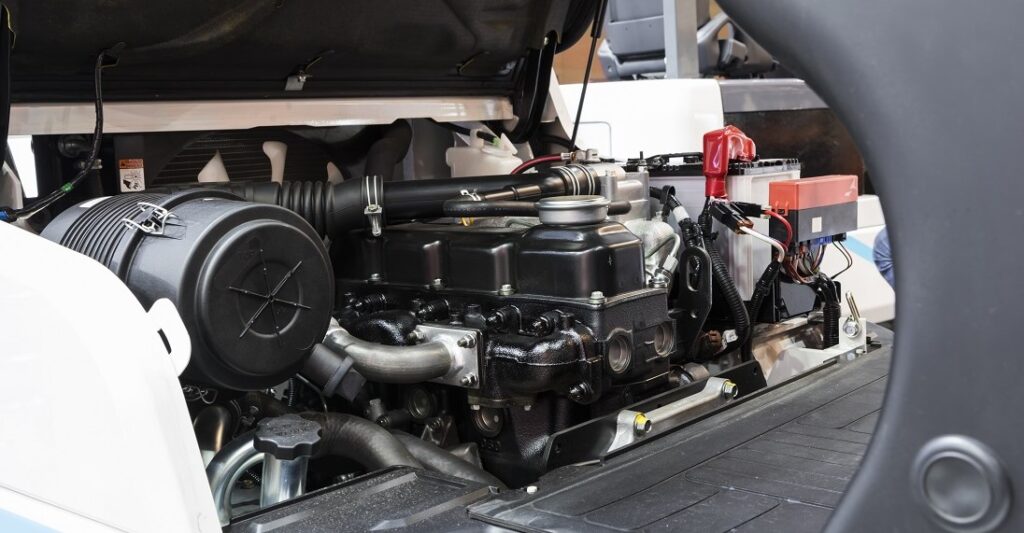
How Does a Forklift Hydraulic Cylinder Handle Variations in Temperature?
A forklift hydraulic cylinder is designed to handle variations in temperature effectively to ensure reliable and consistent performance. The hydraulic system, including the cylinder, is engineered to withstand both high and low temperatures commonly encountered in different operating environments. Here’s a detailed explanation of how a forklift hydraulic cylinder handles variations in temperature:
- Temperature-Resistant Seals:
- Hydraulic Fluid Selection:
- Thermal Expansion Compensation:
- Heat Dissipation and Cooling:
- Cold Start Considerations:
- Insulation and Protective Measures:
Hydraulic cylinders in forklifts are equipped with seals that are specifically designed to withstand temperature fluctuations. These seals are made from high-quality materials such as synthetic rubber or thermoplastic elastomers that have excellent resistance to heat and cold. The temperature-resistant seals ensure proper sealing and prevent leakage of hydraulic fluid, even when exposed to extreme temperature conditions.
The choice of hydraulic fluid plays a crucial role in temperature management within the hydraulic system, including the cylinder. Different types of hydraulic fluids are available, each with specific temperature ranges for optimal performance. Forklift manufacturers typically recommend hydraulic fluids that are suitable for the expected operating temperatures. These fluids have properties that enable them to maintain consistent viscosity and lubrication characteristics, ensuring smooth cylinder operation across a wide temperature range.
Variations in temperature cause materials to expand or contract. Hydraulic cylinders are designed to accommodate the thermal expansion of components effectively. The materials used in the cylinder construction, such as steel or aluminum alloys, have specific coefficients of thermal expansion. By considering these properties during the design and manufacturing process, forklift hydraulic cylinders are built to compensate for thermal expansion, minimizing the risk of structural damage or performance issues due to temperature changes.
In high-temperature environments, forklift hydraulic cylinders may be exposed to heat generated by the hydraulic system or external sources. To prevent overheating, cylinders are often equipped with cooling mechanisms. These mechanisms can include cooling fins or external cooling systems that help dissipate heat and maintain the cylinder within the desired temperature range. Effective heat dissipation ensures that the hydraulic fluid retains its optimal properties and that the cylinder operates efficiently and reliably.
In low-temperature conditions, such as during cold starts, hydraulic cylinders may experience increased viscosity of the hydraulic fluid, which can affect their performance. To mitigate this issue, forklift hydraulic systems are designed with features such as preheating systems or low-temperature hydraulic fluids. These measures help to warm up the hydraulic fluid and ensure its proper flow and lubrication, allowing the hydraulic cylinder to operate smoothly even in cold environments.
In extreme temperature conditions, additional insulation or protective measures may be applied to the hydraulic cylinder and its components. Insulation materials can help maintain stable operating temperatures within the cylinder, preventing heat loss in cold environments or minimizing heat absorption in hot environments. Protective coatings or covers may also be used to shield the cylinder from external temperature fluctuations or exposure to harsh elements, ensuring its longevity and performance.
By incorporating temperature-resistant seals, selecting suitable hydraulic fluids, compensating for thermal expansion, implementing heat dissipation mechanisms, considering cold start conditions, and applying insulation or protective measures, forklift hydraulic cylinders are designed to handle variations in temperature effectively. These design considerations ensure the reliable and consistent operation of the hydraulic system, enabling forklifts to perform optimally in diverse temperature environments.
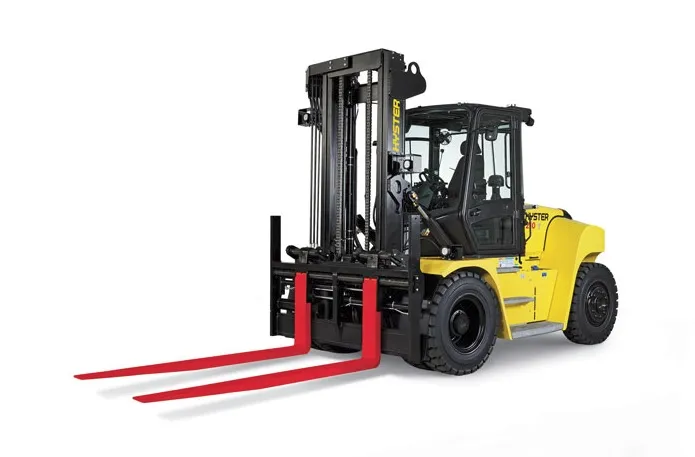
How does a forklift hydraulic cylinder handle variations in seal technology?
A forklift hydraulic cylinder is designed to handle variations in seal technology to ensure effective sealing and reliable performance. Here’s an explanation of how it achieves this:
The hydraulic cylinder’s ability to accommodate different seal technologies is essential for maintaining hydraulic fluid integrity and preventing leakage. The cylinder handles variations in seal technology through the following mechanisms:
1. Seal Compatibility:
Forklift hydraulic cylinders are designed to be compatible with various types of seal technologies. Different seal materials and designs are available, such as O-rings, lip seals, and composite seals. The cylinder is manufactured with precise dimensions and tolerances to accommodate the specific seal technology being used. This compatibility ensures a proper fit and seal, regardless of the seal technology employed.
2. Material Selection:
The choice of cylinder material is also crucial in handling variations in seal technology. Different seal materials have varying compatibility with specific cylinder materials. Forklift hydraulic cylinders are typically constructed using materials such as steel or aluminum alloys, which offer excellent compatibility with a wide range of seal technologies. The cylinder material is selected to work harmoniously with different seal materials, ensuring reliable sealing performance.
3. Seal Design and Construction:
The design and construction of seals in the hydraulic cylinder are optimized to accommodate variations in seal technology. Seal manufacturers develop seals with specific features and characteristics tailored to different applications. These features may include improved sealing lip geometry, advanced materials with enhanced wear resistance, and specialized sealing mechanisms. The cylinder is designed to accommodate these variations, providing the necessary space and support for the specific seal technology being utilized.
4. Testing and Quality Control:
Hydraulic cylinders undergo rigorous testing and quality control processes to ensure seal compatibility and performance. During manufacturing, seals are inspected for proper fit, dimensions, and sealing integrity. The hydraulic system is also subjected to pressure and leakage tests to verify the effectiveness of the seals and overall system performance. These testing and quality control measures help identify any issues related to seal technology and allow for necessary adjustments or improvements.
In summary, a forklift hydraulic cylinder handles variations in seal technology through seal compatibility, appropriate material selection, seal design and construction, and rigorous testing and quality control. These measures ensure that the cylinder can effectively accommodate different seal technologies, providing reliable sealing performance and preventing hydraulic fluid leakage.
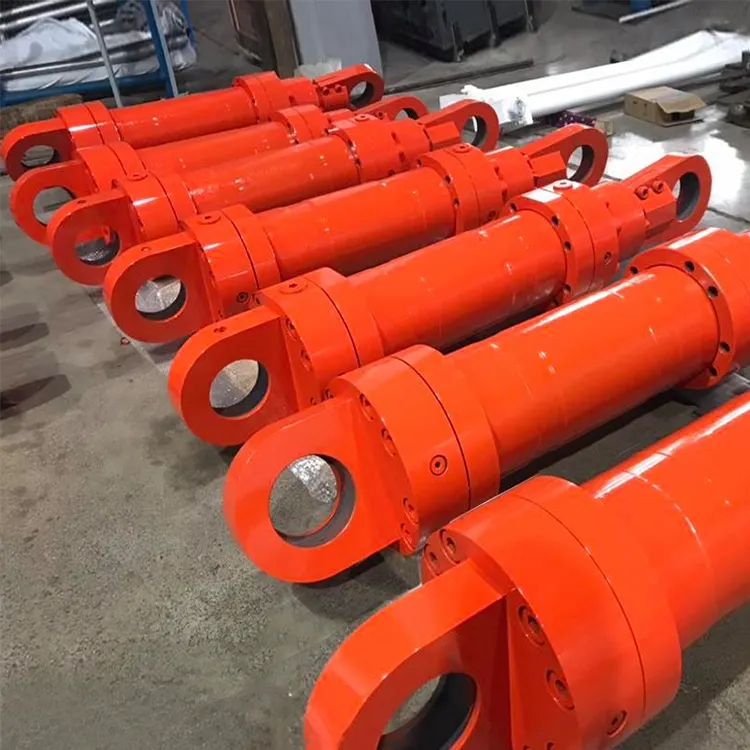
What are the Safety Considerations When Using Forklifts with Hydraulic Cylinders?
When using forklifts with hydraulic cylinders, it is essential to prioritize safety to prevent accidents, injuries, and property damage. Hydraulic systems and cylinders are integral components of forklifts, and understanding and implementing safety considerations is crucial. Here are important safety considerations to keep in mind:
- Operator Training and Certification:
- Regular Inspections and Maintenance:
- Load Capacity and Stability:
- Proper Load Positioning and Handling:
- Avoiding Overextension and Collisions:
- Proper Use of Controls:
- Clear Communication and Awareness:
- Emergency Procedures:
Operators must receive thorough training and certification specific to forklift operations. Proper training should cover the safe operation of hydraulic systems and cylinders, including understanding the controls, load capacity, stability, and safe maneuvering techniques. Well-trained operators are more likely to handle hydraulic cylinders safely and minimize the risk of accidents or misuse.
Forklifts and their hydraulic systems, including cylinders, should undergo regular inspections and maintenance to ensure they are in proper working condition. Inspections should identify any signs of wear, leaks, or damage, and maintenance tasks such as lubrication and component replacements should be performed as recommended by the manufacturer. Well-maintained hydraulic cylinders contribute to safe and reliable forklift operations.
Understanding and adhering to the forklift’s load capacity limitations is crucial for safe operation. Overloading a forklift can lead to instability and potential tip-overs. Operators should be aware of the load capacity rating and ensure that loads are properly balanced and secured. Maintaining the forklift’s stability, especially when using the hydraulic cylinder to lift or lower loads, is essential to prevent accidents caused by tipping or loss of control.
Safe load positioning and handling contribute to overall forklift safety. Operators should ensure that loads are positioned correctly on the forks, centered and secure, to prevent them from shifting or falling during transport. When using the hydraulic cylinder to raise or lower loads, operators should do so gradually and avoid sudden movements that may destabilize the forklift or cause the load to swing uncontrollably.
Overextending the hydraulic cylinder beyond its recommended limits can lead to failure or instability. Operators should be aware of the maximum extension and retraction limits of the cylinder and avoid exceeding them. Additionally, operators must exercise caution to prevent collisions with objects or structures, as impacts can damage the hydraulic cylinder, compromise its integrity, and pose safety risks.
Operators should be familiar with the forklift’s hydraulic control system and use the controls properly. This includes understanding the functions of each control, such as raising, lowering, tilting, or extending the forks, and using them with precision and care. Mishandling the hydraulic controls can result in sudden movements or unintended actions, potentially causing accidents or injuries.
Clear communication and situational awareness are essential for safe forklift operations. Operators should maintain clear visibility, use mirrors or cameras if available, and be aware of their surroundings to avoid collisions with pedestrians, other vehicles, or obstacles. Effective communication with co-workers and signaling to indicate forklift movements can help prevent accidents and ensure a safe working environment.
Operators should be familiar with emergency procedures and know how to respond in case of malfunctions, leaks, or other emergencies involving the hydraulic cylinder. Proper training should cover emergency shutdown procedures, reporting protocols, and evacuation plans to ensure a timely and coordinated response that minimizes risks to personnel and property.
By prioritizing operator training, regular inspections, adherence to load capacity limits, proper load handling, cautious control usage, and clear communication, forklifts with hydraulic cylinders can be operated safely and efficiently. Implementing these safety considerations helps reduce the risk of accidents, protect personnel, and maintain a secure work environment.


editor by CX 2023-11-19














