Product Description
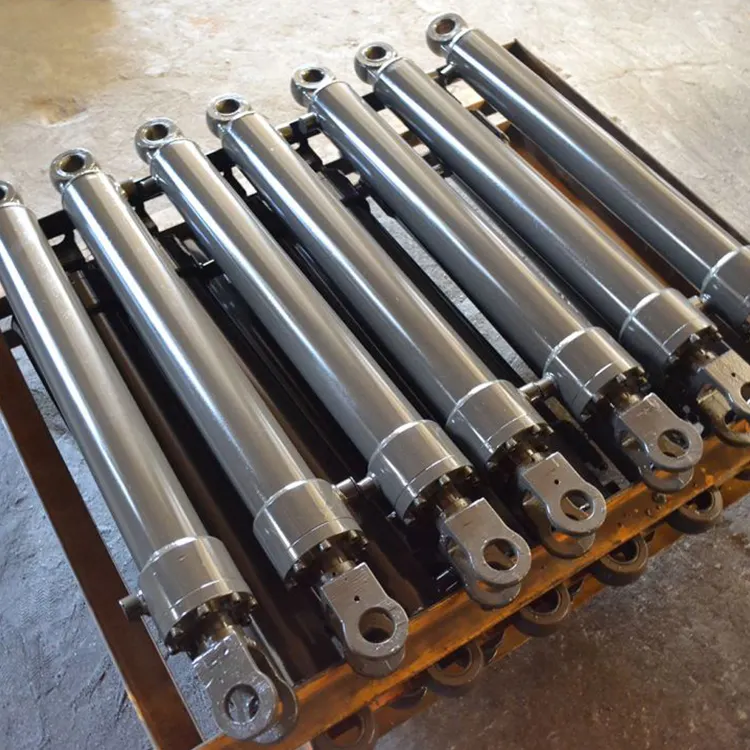
Hydraulic cylinder(FC)
| Effective diameter | Number of stages | Stroke | Max working pressure |
| 110-214 mm | 3-6 | 3100-9530 mm | 150-250 Bar |
HangZhou Chengfeiyue hydraulic Machinery Co., LTD focuses on the production and development of hydraulic system. We mainly produce lift valves, limit valves, pneumatic control valve, gear pumps and A complete set of hydraulic system components. Our company is located in Industrial Park, HangZhou City, ZheJiang Province.
Production Process
Our company now has advanced excellent imported horizontal processing center and vertical processing center, also advanced cathodic electrophoretic coating production line and other precision manufacturing equipment have been introduced. We have cylindricity tester, hardness tester, thread tester, simulation vehicle hydraulic system test bench and other advanced laboratory, inspection equipment.
It has different processing workshops, including Rough machining,Finish machining,Pneumatic valve, limit valve processing zone,Centerless grinding machine,Cleaning machine ,Electrophoretic workshop,Assembly shop,Quality check,Testbed,etc.
Enterprise Certificate
Our company management team, research and development team and production team. Our team has rich experience in the development and manufacturing of complete hydraulic systems and strict quality management system (ISO9001:2015 and ISO/TS16949:2009 International Quality Management System Certification)
Our enterprise spirit is “work earnestly and be honest”. Take science and technology as the guide, take innovation as the soul, seek development by quality, and try our best to build famous brands in the world.
FAQ
How could I get a sample?
Before we received the first order, please afford the sample cost and express fee. We will return the sample cost back to you within your first order.
Sample time?
Existing items: Within 15 days.
Whether you could make our brand on your products?
Yes. We can print your Logo on both the products and the packages if you can meet our MOQ.
| Certification: | GS, CE, ISO9001 |
|---|---|
| Pressure: | High Pressure |
| Work Temperature: | Normal Temperature |
| Samples: |
US$ 500/Pieces
1 Pieces(Min.Order) | Order Sample |
|---|
| Customization: |
Available
|
|
|---|
.shipping-cost-tm .tm-status-off{background: none;padding:0;color: #1470cc}
| Shipping Cost:
Estimated freight per unit. |
about shipping cost and estimated delivery time. |
|---|
| Payment Method: |
|
|---|---|
|
Initial Payment Full Payment |
| Currency: | US$ |
|---|
| Return&refunds: | You can apply for a refund up to 30 days after receipt of the products. |
|---|
How does a forklift hydraulic cylinder contribute to load stability?
A forklift hydraulic cylinder plays a crucial role in ensuring load stability during lifting and material handling operations. Here’s an explanation of how it contributes to load stability:
Load stability refers to the ability of a forklift to safely lift, carry, and place loads without compromising their balance or causing them to shift unexpectedly. The hydraulic cylinder contributes to load stability in the following ways:
1. Lifting Control:
The hydraulic cylinder allows controlled and smooth lifting of the load. By regulating the flow of hydraulic fluid, the operator can adjust the lifting speed and ensure gradual, steady movement. This controlled lifting action minimizes the risk of load destabilization due to sudden jolts or jerks.
2. Load Balancing:
Hydraulic cylinders can be used in forklifts equipped with load balancing systems. These systems distribute the lifting force evenly across multiple hydraulic cylinders. By sharing the load, each cylinder carries a proportionate weight, reducing the strain on individual components and promoting load stability.
3. Tilting and Fork Positioning:
Hydraulic cylinders are often used to control the tilting of the mast or the positioning of the forks. By adjusting the tilt angle or fork position, the operator can optimize load stability. This feature is particularly important when handling loads with uneven weight distribution or when navigating through narrow spaces.
4. Mast Stability:
The hydraulic cylinder contributes to the stability of the mast assembly. The cylinder’s extension and retraction control the vertical movement of the mast, ensuring proper alignment and support. A stable mast assembly enhances load stability by preventing excessive swaying or wobbling during lifting and material handling operations.
5. Load Lowering:
When lowering the load, the hydraulic cylinder enables controlled and gradual descent. The operator can regulate the flow of hydraulic fluid to prevent sudden drops or impacts that could destabilize the load. This controlled lowering action ensures safe and stable placement of the load.
By incorporating these features and functionalities, a forklift hydraulic cylinder significantly contributes to load stability. It enables controlled lifting, load balancing, precise tilting and fork positioning, mast stability, and controlled load lowering. These capabilities promote safe and efficient material handling operations, reducing the risk of load shifts and maintaining overall load stability.
In summary, a forklift hydraulic cylinder plays a vital role in ensuring load stability. Through its lifting control, load balancing, tilting and fork positioning capabilities, mast stability, and controlled load lowering, the hydraulic cylinder enhances the safe and effective handling of loads, minimizing the risk of instability and accidents.
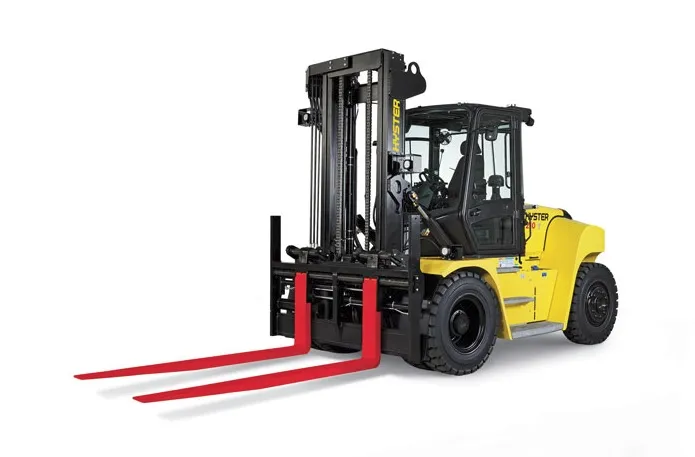
How does a forklift hydraulic cylinder handle variations in seal technology?
A forklift hydraulic cylinder is designed to handle variations in seal technology to ensure effective sealing and reliable performance. Here’s an explanation of how it achieves this:
The hydraulic cylinder’s ability to accommodate different seal technologies is essential for maintaining hydraulic fluid integrity and preventing leakage. The cylinder handles variations in seal technology through the following mechanisms:
1. Seal Compatibility:
Forklift hydraulic cylinders are designed to be compatible with various types of seal technologies. Different seal materials and designs are available, such as O-rings, lip seals, and composite seals. The cylinder is manufactured with precise dimensions and tolerances to accommodate the specific seal technology being used. This compatibility ensures a proper fit and seal, regardless of the seal technology employed.
2. Material Selection:
The choice of cylinder material is also crucial in handling variations in seal technology. Different seal materials have varying compatibility with specific cylinder materials. Forklift hydraulic cylinders are typically constructed using materials such as steel or aluminum alloys, which offer excellent compatibility with a wide range of seal technologies. The cylinder material is selected to work harmoniously with different seal materials, ensuring reliable sealing performance.
3. Seal Design and Construction:
The design and construction of seals in the hydraulic cylinder are optimized to accommodate variations in seal technology. Seal manufacturers develop seals with specific features and characteristics tailored to different applications. These features may include improved sealing lip geometry, advanced materials with enhanced wear resistance, and specialized sealing mechanisms. The cylinder is designed to accommodate these variations, providing the necessary space and support for the specific seal technology being utilized.
4. Testing and Quality Control:
Hydraulic cylinders undergo rigorous testing and quality control processes to ensure seal compatibility and performance. During manufacturing, seals are inspected for proper fit, dimensions, and sealing integrity. The hydraulic system is also subjected to pressure and leakage tests to verify the effectiveness of the seals and overall system performance. These testing and quality control measures help identify any issues related to seal technology and allow for necessary adjustments or improvements.
In summary, a forklift hydraulic cylinder handles variations in seal technology through seal compatibility, appropriate material selection, seal design and construction, and rigorous testing and quality control. These measures ensure that the cylinder can effectively accommodate different seal technologies, providing reliable sealing performance and preventing hydraulic fluid leakage.
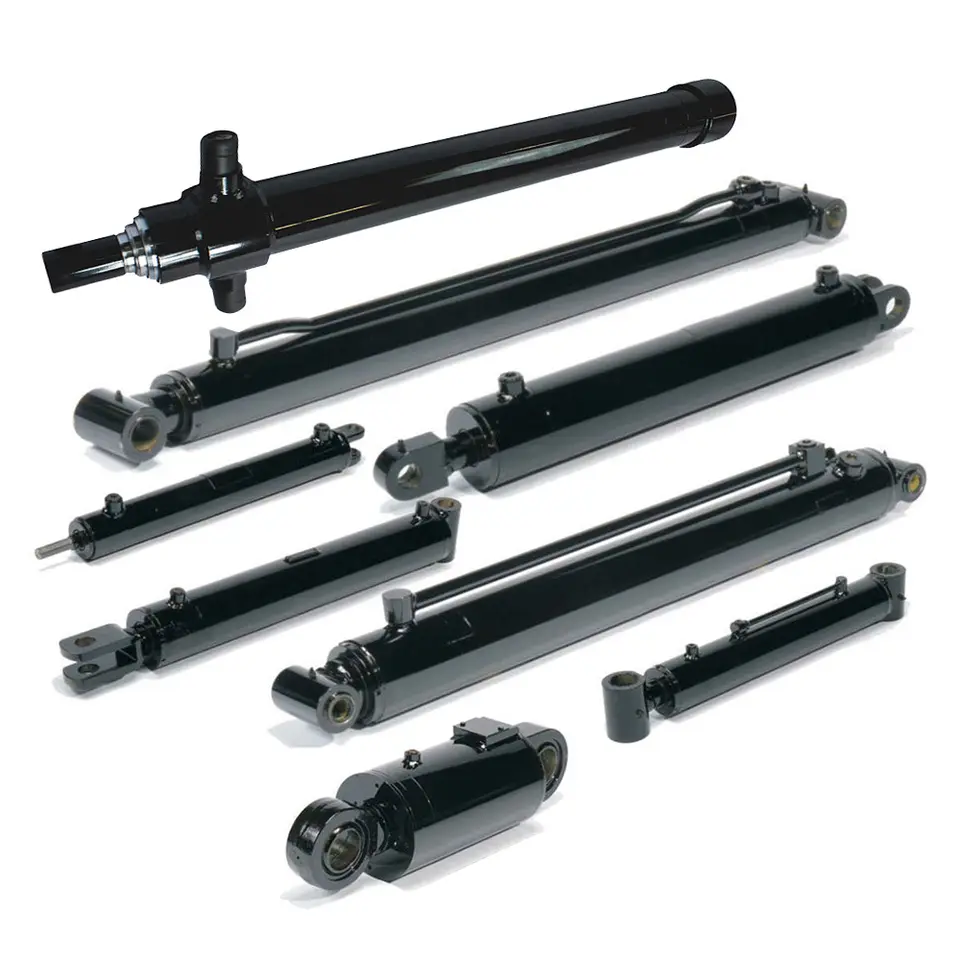
What is the Importance of Regular Maintenance for Hydraulic Cylinders?
Regular maintenance for hydraulic cylinders is of utmost importance to ensure their optimal performance, longevity, and safe operation. Hydraulic cylinders are critical components in various industrial applications, and neglecting their maintenance can lead to decreased efficiency, increased downtime, and potential safety hazards. Here are some key reasons highlighting the importance of regular maintenance for hydraulic cylinders:
- Preventive Maintenance:
- Optimal Performance:
- Extended Lifespan:
- Safety:
- Compliance with Manufacturer Recommendations:
Regular maintenance allows for preventive measures to be taken to identify and address potential issues before they escalate. By following a scheduled maintenance plan, hydraulic cylinders can be inspected for signs of wear, leaks, or damage. Regular servicing, such as lubrication, seal replacements, and cleaning, helps to keep the cylinders in optimal condition, minimizing the risk of unexpected failures and costly repairs.
Proper maintenance ensures that hydraulic cylinders operate at their peak performance. Over time, contaminants, such as dirt, debris, and moisture, can accumulate within the hydraulic system, affecting the cylinder’s performance. Regular maintenance includes the cleaning and flushing of the hydraulic system, which helps to remove contaminants and maintain the proper functioning of the cylinder. This, in turn, ensures efficient and reliable operation, maximizing productivity and minimizing downtime.
Regular maintenance significantly contributes to the longevity of hydraulic cylinders. By addressing wear and tear, replacing worn-out components, and maintaining proper fluid levels and cleanliness, the overall lifespan of the cylinders can be extended. Well-maintained cylinders are less prone to premature failures and breakdowns, reducing the need for frequent replacements and saving on replacement costs in the long run.
Maintaining hydraulic cylinders in good working condition is crucial for ensuring the safety of personnel and equipment. Hydraulic failures, such as leaks, seal failures, or component malfunctions, can lead to hazardous situations, including uncontrolled movements, equipment damage, or injury to operators or nearby personnel. Regular maintenance helps to identify and rectify potential safety risks, ensuring that the hydraulic cylinders operate safely and reliably.
Regular maintenance ensures compliance with the manufacturer’s recommendations and guidelines for hydraulic cylinders. Manufacturers often provide specific maintenance intervals and procedures to keep the cylinders in optimal condition. Following these recommendations helps to uphold warranty requirements, maintain equipment reliability, and ensure that the cylinders perform as intended.
In summary, regular maintenance for hydraulic cylinders is essential for preventive measures, optimal performance, extended lifespan, safety, and compliance. By implementing a proactive maintenance program, including inspections, cleaning, lubrication, and component replacements, the overall reliability and efficiency of hydraulic cylinders can be maximized, reducing the risk of failures, improving productivity, and enhancing workplace safety.


editor by CX 2023-11-12