FLUID ENGINEERING GUIDE · OIL SELECTION · LIFT CYLINDER COMPATIBILITY
Hydraulic Oil & Fluid Compatibility
for Lift Cylinders
ISO Grades · Changeout Guide
The hydraulic fluid is not a passive filler in a lift cylinder system — it is the primary medium through which force is transmitted, heat is transferred, components are lubricated, and contamination is either controlled or spread. Selecting the wrong fluid grade, mixing incompatible fluids, or operating past the changeout interval destroys lift cylinder seals, scores rod surfaces, and corrodes internal components at rates that can compress a cylinder’s expected 5–10 year service life into months.
Fluid Type Compatibility
Changeout Intervals
LIFT CYLINDERS · FLUID COMPATIBILITY ENGINEERING · JULY 2026
REFERENCE · ISO VISCOSITY GRADE SELECTION BY OPERATING TEMPERATURE
COLD CLIMATE (<0°C)
ISO 32
Remains pumpable at low temp; adequate film strength in cold-start lift cylinder circuits
TEMPERATE (5–35°C)
ISO 46
Standard grade for most industrial and mobile lift cylinder applications in moderate climates
HOT CLIMATE (>35°C)
ISO 68
Maintains adequate viscosity at elevated operating temperature; prevents metal-to-metal contact at high ambient
WIDE RANGE
VG 46 HV
High viscosity index fluid for equipment operating across a wide temperature range — one fluid year-round
第 01 节
How Hydraulic Fluid Affects Lift Cylinder Service Life
Hydraulic fluid performs five simultaneous functions inside every lift cylinder, and the correct fluid must perform all five adequately across the full range of operating conditions — not just at the design-point temperature and load:
①
Force transmission. The fluid transmits hydraulic pressure from the pump to the lift cylinder piston with minimal compressibility loss. Viscosity that is too low (from high temperature or wrong grade) allows fluid to bypass the piston seal, reducing effective force transmission and causing erratic positioning.
②
Lubrication. The fluid maintains a hydrodynamic film between the piston seal and bore, and between the rod seal and rod surface. When this film breaks down — from excessive temperature, contamination, or wrong viscosity — metal-to-metal contact occurs and wear accelerates dramatically.
③
Heat removal. The fluid circulates heat from the lift cylinder bore and seal interface back to the reservoir where it dissipates. Systems operating without adequate fluid volume, reservoir cooling, or oil coolers allow sustained high temperatures that destroy seal materials and accelerate oil oxidation.
④
Contamination transport. The fluid carries wear particles and contamination away from the lift cylinder bore and seal interfaces to the filter. A system with correct filtration removes these particles before they can cause abrasive damage; a system with inadequate filtration recirculates them at progressively higher concentrations.
⑤
Corrosion protection. The additive package in the hydraulic oil provides rust inhibition on all internal steel surfaces — particularly the lift cylinder bore and rod surface. When the additive package is depleted through oil ageing or contamination, rust forms on the bore and rod, destroying seal integrity and creating abrasive iron oxide particles that accelerate further damage.
第 02 节
ISO Viscosity Grade Selection
ISO viscosity grade (VG) specifies the oil’s kinematic viscosity at 40°C in centistokes (cSt). The three standard grades used in lift cylinder hydraulic circuits — ISO 32, 46, and 68 — differ by approximately 50% in viscosity from each adjacent grade. Selecting the correct grade requires knowing the system’s expected operating temperature range:
| ISO GRADE | VIS. @ 40°C | VIS. @ 100°C | POUR POINT | IDEAL SUMP TEMP | 典型应用 |
|---|---|---|---|---|---|
| ISO 32 | 28–35 cSt | 5–7 cSt | −30°C | 25–55°C | Cold climate mobile, indoor high-cycle, winter agriculture |
| ISO 46 ← STANDARD | 41–51 cSt | 6–8 cSt | −24°C | 35–65°C | Most industrial and mobile lift cylinder applications |
| ISO 68 | 61–75 cSt | 8–10 cSt | −18°C | 45–75°C | Hot climate, high-load, extended duty cycles |
| ISO 46 HV (high VI) | 41–51 cSt | 9–12 cSt | −36°C | −15 to +80°C | Year-round outdoor mobile equipment, wide temp range |
Critical temperature warning: If the hydraulic oil temperature at the reservoir exceeds 65°C consistently during normal operation, the lift cylinder system is running hot — seal degradation rate increases 2× for every 10°C above the oil’s optimal operating temperature. At 75°C, NBR seal service life is approximately 40% of its rated life at 60°C. Install an oil cooler or reduce duty cycle rather than accepting elevated sump temperature as normal.
第 03 节
Fluid Type Compatibility Matrix
Beyond viscosity grade, the base fluid chemistry determines compatibility with lift cylinder seals, coatings, and structural materials. The four main fluid categories in use across the lift cylinder application spectrum have fundamentally different compatibility profiles:
HM/HLP MINERAL OIL
Most common — petroleum base stock with anti-wear and rust-inhibitor additives
✓ COMPATIBLE SEALS
NBR, PU, PTFE (all grades), FKM — full compatibility with all standard lift cylinder seal materials
✗ LIMITATIONS
Not suitable where environmental leakage must be non-toxic; fire risk in high-temperature metal processing environments; degraded by water contamination above 0.2%
PAO SYNTHETIC
Polyalphaolefin — fully synthetic, superior temperature range vs mineral oil
✓ COMPATIBLE SEALS
FKM, PTFE — excellent compatibility; NBR shows minor swelling (2–4%) that must be verified against gland tolerance
✗ LIMITATIONS
2–4× cost of mineral oil; not fully compatible with some NBR seal formulations; cannot be mixed with mineral oil — flush required when converting
BIODEGRADABLE ESTER
Vegetable oil or synthetic ester — environmentally acceptable if spilled
✓ COMPATIBLE SEALS
PTFE, FKM, EPDM — seals specifically rated for ester fluids; check manufacturer compatibility for each specific formulation
✗ LIMITATIONS
NBR seals swell significantly in ester fluids — incompatible without seal change. Shorter change interval (500–1 000 hours). High sensitivity to water contamination — accelerated hydrolysis degrades oil rapidly
WATER-GLYCOL HFC
Fire-resistant — 35–50% water content; used in steel mills, foundries, mines
✓ COMPATIBLE SEALS
EPDM, PTFE — most other elastomers are incompatible. Lift cylinder internal surfaces must be zinc-phosphated or nickel-plated — bare steel corrodes in water-glycol
✗ LIMITATIONS
NBR, PU, FKM seals degrade rapidly — full seal change mandatory before using HFC. Requires specialist lift cylinder specification — standard cylinders are not HFC-compatible without modification
第 04 节
Contamination Control and ISO Cleanliness
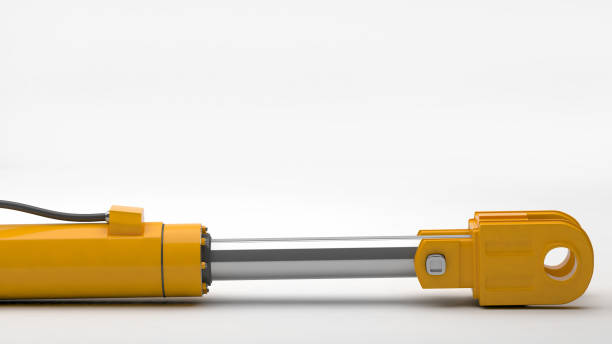
ISO 4406 cleanliness class defines the concentration of particulate contamination in hydraulic fluid by three particle size counts per millilitre: particles >4 μm, >6 μm, and >14 μm. Each lift cylinder application has a target cleanliness class determined by the precision of its internal clearances:
ISO CLEANLINESS CLASS TARGETS BY LIFT CYLINDER APPLICATION
| 应用 | TARGET CLASS | MAX CLASS | ACTION IF EXCEEDED |
|---|---|---|---|
| Standard industrial lift cylinder | 16/14/11 | 18/16/13 | Replace filter elements immediately; resample after 50 hours |
| Forklift / high-cycle mobile | 15/13/10 | 17/15/12 | Replace filter and sample; reduce duty until within class |
| AWP / precision positioning | 15/13/10 | 16/14/11 | Remove from service; flush and refill before returning to operation |
| Offshore / subsea lift cylinder | 14/12/9 | 15/13/10 | Immediate filter replacement; root-cause analysis of contamination source |
第 05 节
Fluid Changeout Intervals by Application
Oil changeout intervals depend on duty cycle, operating temperature, contamination exposure, and oil analysis results — not simply calendar time. The intervals below are starting points; oil analysis should be used to verify whether the actual condition of the oil in your system allows extension or requires early replacement:
HYDRAULIC OIL CHANGEOUT INTERVALS — LIFT CYLINDER APPLICATIONS
第 06 节
Offshore and Special Environment Fluid Requirements
Offshore, subsea, and special industrial environments impose fluid requirements that standard mineral oil cannot meet. The primary drivers are fire safety regulations (offshore platforms), environmental discharge regulations (nearshore marine), and the extreme contamination and corrosion environments of industrial process facilities. For these applications, the lift cylinder specification and the fluid specification must be developed together — not separately.
OFFSHORE FIRE-RESISTANT
Offshore oil and gas platforms mandate HFDU (phosphate-ester based) or HFAE (oil-in-water emulsion) fire-resistant fluids for lift cylinders near ignition sources. Phosphate-ester is fully water miscible, fire-resistant, but is incompatible with standard NBR and PU seals — FKM or PTFE seals are mandatory. The offshore lift cylinder category includes specific configurations built for phosphate-ester service. See the 海上液压缸 range for certified offshore-rated configurations.
FOOD & PHARMA NSF H1
Processing facilities where lift cylinder fluid could contact food or pharmaceutical product must use NSF H1 certified lubricants — white mineral oil or PAO base stocks with FDA-approved additives. All lift cylinder seals in this service must be specified in FDA-listed materials — food-grade NBR or PTFE — and the system must use stainless steel connections to eliminate corrosion particles from the fluid. Change intervals are the same as standard mineral oil, but the traceability documentation requirements are significantly higher.
Fluid selection support: Selecting the correct fluid for any specialist lift cylinder application — offshore fire-resistant, food-grade, biodegradable, or water-glycol — requires verifying compatibility with every seal, coating, and metal in the specific cylinder and circuit configuration. Our technical team can verify compatibility for any lift cylinder in the product range against the fluid specification for your application. 联系我们 with your fluid specification and cylinder details for written compatibility confirmation.
申请常见问题解答
Hydraulic Fluid and Compatibility Questions
Q 01
My lift cylinder rods are developing rust spots despite regular greasing — what is causing this?
Rod surface rust on a lift cylinder that is actively in service usually has one of three root causes. First, the hydraulic oil’s rust inhibitor additive has been depleted — measure the oil’s total base number (TBN) or send a sample for additive analysis; if the additive package is exhausted, an oil change is the solution, not more external grease. Second, water contamination in the oil is creating a water-saturated oil film on the rod surface that promotes rust despite the presence of lubricant; measure water content and if above 0.1%, drain and refill with dry oil. Third, the wiper seal on the rod gland has failed and is allowing external moisture to contact the rod surface behind the wiper; inspect and replace the wiper seal. External grease application only addresses the visible rust symptom, not any of these underlying causes — the grease is blocking visual confirmation of an ongoing corrosion process.
Q 02
Is it possible to upgrade from mineral oil to a biodegradable fluid without changing the lift cylinder seals?
Not safely, if the lift cylinder currently uses NBR seals — which is the case for most standard lift cylinders supplied with mineral oil. NBR seals swell significantly in vegetable-based ester fluids (typically 10–25% volume increase), which causes the seal to over-compress in its gland groove and leads to rapid deterioration and potential seal extrusion. Before converting to biodegradable fluid, all NBR seals in all cylinders in the circuit must be replaced with PTFE, EPDM, or ester-rated seals. The conversion process is: drain the mineral oil; replace all seals with ester-compatible materials; flush the circuit with a small volume of the new biodegradable fluid and drain it; then refill with the full charge of the new fluid. Converting without replacing seals will typically cause visible external leakage from all cylinders within 4–8 weeks.
Q 03
The hydraulic oil in my system has turned milky white — what has happened and is it safe to continue operating?
Milky white hydraulic oil is a definitive sign of water emulsification — typically above 0.5% water by weight has entered the oil and formed a stable emulsion. The immediate causes are a damaged reservoir breather (allowing condensation or rain ingress), a cooler tube leak where cooling water mixes directly into the hydraulic oil, or a system that has been operated with the reservoir cap missing. Do not continue operating with emulsified oil — water in the hydraulic circuit causes: corrosion of all steel surfaces inside every lift cylinder bore and on every rod surface; accelerated elastomeric seal degradation; bacterial growth that produces acidic compounds; and dramatically reduced oil film strength, which allows metal-to-metal contact on all bearings and sliding surfaces. The correct action is to stop the machine, drain the entire circuit including the lift cylinder bore by cycling through the full stroke while draining, identify and fix the water ingress source, flush with clean oil, replace all filters, and refill with fresh oil. A post-fill oil sample should confirm the water content is below 0.1% before the machine is returned to full-load operation.
Q 04
Can I mix two different brands of ISO 46 hydraulic oil if I run low and only have the other brand available?
Mixing two different brands of ISO 46 hydraulic oil is generally safe if both are HLP/HM mineral oil formulations with no special additive packages, but it is not risk-free and should only be done as a temporary measure when no alternative is available. The risk is additive incompatibility — if the two oils use different anti-wear additive chemistries (for example, zinc-free vs zinc-containing), mixing can cause the additives to react with each other and form solid precipitates or a gel-like deposit that clogs filters and circulates through cylinder seals and bores as contamination. The correct procedure when topping up with a different brand is: use the minimum quantity needed to continue operation, sample the oil within 50 hours and check for viscosity change, particle count increase, or evidence of precipitation, and plan a full oil change at the earliest scheduled maintenance stop. Never mix mineral oil with synthetic PAO, ester, or fire-resistant fluids — these combinations are always incompatible and require immediate draining and flushing.
LIFT CYLINDER FLUID COMPATIBILITY SUPPORT
Questions About Fluid Compatibility for Your Lift Cylinder?
Our technical team provides written fluid compatibility confirmation for any 举升缸 in our range — matched to your specified hydraulic fluid type, grade, and operating temperature.
编辑:Cxm