ENGINEERING GUIDE · SEALING SYSTEMS · HYDRAULIC LIFT CYLINDERS
Lift Cylinder Seal Systems
NBR · PTFE · Polyurethane
Selection Guide
The seal system is the single most maintenance-sensitive component in a hydraulic lift cylinder — it determines service life, leakage performance, and operating cost across the cylinder’s entire working life. This guide covers every seal position in a lift cylinder, the engineering properties of the three dominant sealing materials, the selection matrix for matching material to application, and the failure modes that indicate the wrong seal has been specified.
Rod · Piston · Wiper Seals
Failure Analysis
LIFT CYLINDERS · SEAL ENGINEERING · JULY 2026
REFERENCE · SEAL MATERIAL OPERATING LIMITS COMPARISON
NBR (NITRILE)
−40 to +100°C
General purpose · mineral oil compatible · most cost-effective
POLYURETHANE (PU)
−30 to +110°C
High abrasion resistance · dynamic loads · high-pressure cycles
PTFE
−200 to +260°C
Lowest friction · chemically inert · extreme temperature range
FKM (VITON)
−20 to +200°C
Chemical resistance · high temperature · phosphate-ester fluids
РАЗДЕЛ 01
Seal Positions in a Hydraulic Lift Cylinder
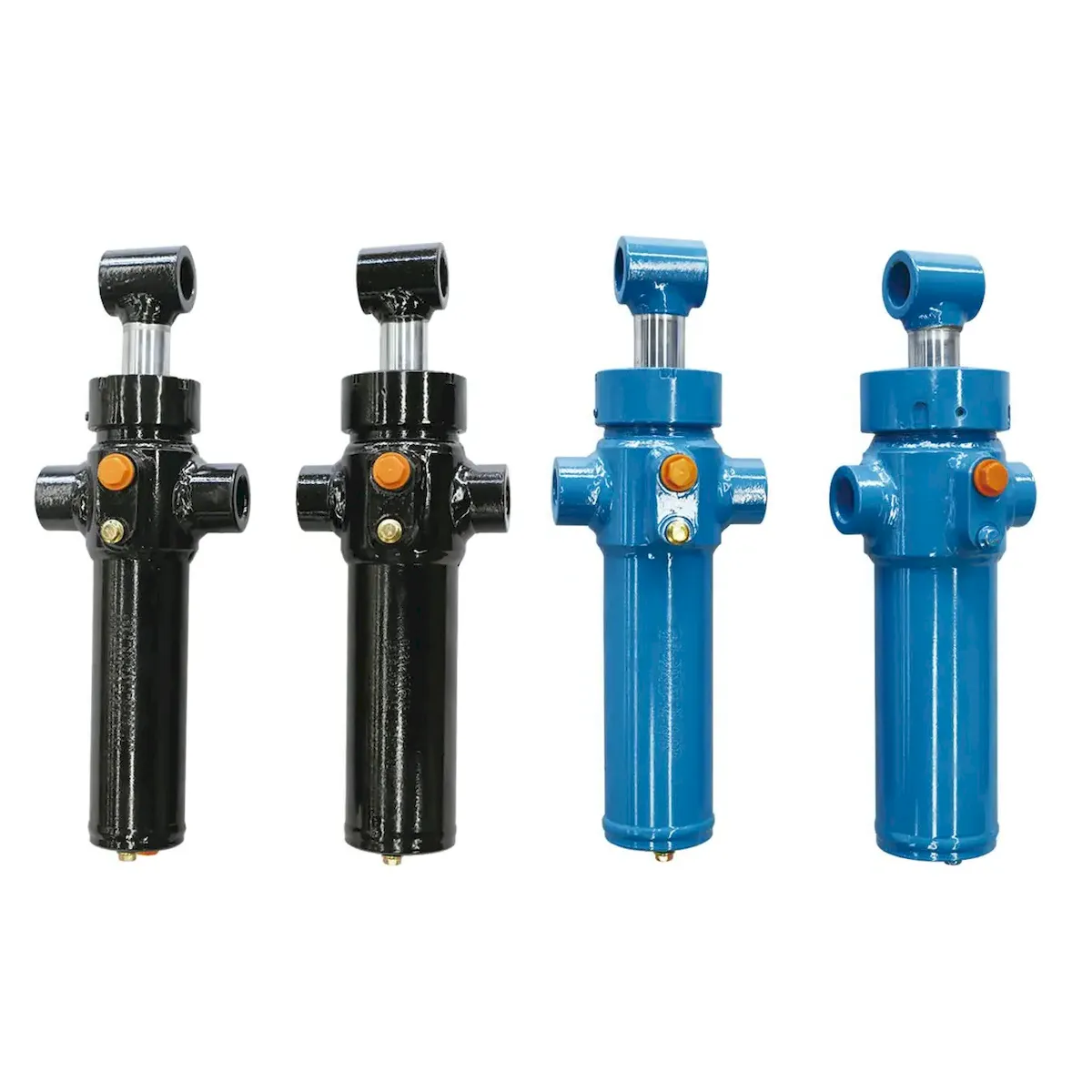
A standard hydraulic lift cylinder contains four distinct sealing positions — and each position imposes different mechanical demands on the seal material. Specifying the same material across all four positions is the most common seal selection error; it optimises one position while compromising the others. The four positions are:
ROD SEAL
Dynamic · External
Prevents hydraulic fluid from escaping along the rod surface of the lift cylinder to the outside environment. The rod seal is the highest-visibility seal — any failure produces visible external leakage. It experiences full system pressure during extension and must maintain zero leakage even after hundreds of thousands of dynamic cycles. The dominant wear mechanism is abrasion from particulate contamination dragged across the seal lip by the rod surface.
WIPER SEAL
Dynamic · Contamination
The outermost seal — positioned at the rod entry to the gland, its function is to strip contamination from the rod surface during retraction before that contamination reaches the rod seal. The lift cylinder wiper does not seal against hydraulic pressure; it seals against the ingress of external contamination. A failed wiper produces no visible leakage but rapidly destroys the rod seal behind it. Many premature rod seal failures are actually caused by a failed wiper that allowed grit ingress.
PISTON SEAL
Dynamic · Internal
Seals against the cylinder bore to prevent hydraulic fluid from bypassing the piston from cap-end to rod-end. Lift cylinder piston seal failure does not cause external leakage — it causes internal bypass, which manifests as reduced lift speed under load, inability to hold position, and excessive pump running time. The piston seal operates in a flooded environment with constant oil lubrication, which gives it longer service life than the rod seal in most applications.
STATIC SEALS
O-rings · Port seals
O-rings at port connections, gland retainer threads, and end-cap joints. Static seals in the lift cylinder carry no sliding motion — they seal between fixed surfaces under continuous compression. Static seals have the longest service life of the four positions and rarely fail in isolation; when they fail, it is usually because of thermal cycling that causes compression set, or chemical incompatibility that causes swelling or cracking.
РАЗДЕЛ 02
NBR — The General-Purpose Sealing Material
Nitrile rubber (NBR) is the most widely used elastomer in hydraulic lift cylinder seal systems, and for good reason: it offers a well-balanced combination of oil resistance, temperature tolerance, mechanical strength, and low cost that makes it the correct default choice for the majority of standard industrial and mobile equipment applications. NBR is compatible with mineral hydraulic oils — the most common fluid type in agricultural and construction equipment — and provides reliable performance across the −40°C to +100°C operating range that covers most temperate-climate operations.
The key engineering properties that make NBR the default lift cylinder seal material for most applications:
Excellent mineral oil resistance. NBR was developed specifically for resistance to the petroleum-based fluids used in most lift cylinder systems. It shows minimal swelling or degradation when immersed in ISO 46 or ISO 68 hydraulic oil over extended periods — the swelling rate is typically below 5% by volume, which is within the range that seal gland design can accommodate without leakage.
Good compressibility and conformability. NBR’s moderate hardness (70–90 Shore A) allows it to conform to minor surface irregularities on the rod and bore, maintaining a seal even when the rod or bore surface has minor machining marks or early wear patterns that would allow a harder seal material to leak.
Limitations above 100°C. When the seal interface temperature (fluid temperature plus frictional heating) exceeds 100°C, NBR begins accelerated ageing. The elastomer oxidises, loses elasticity, and develops surface cracking. In high-cycle applications where frictional heating at the rod seal can add 20–40°C to the bulk fluid temperature, NBR’s effective temperature ceiling may be reached even in systems where the reservoir temperature appears normal.
Best applications for NBR: Standard industrial lift cylinders, agricultural tractor cylinders, light-duty construction equipment, dock levellers — any application using mineral hydraulic oil at moderate cycle frequencies and ambient temperatures below 40°C. The full подъемный цилиндр range provides NBR standard seal kits for all standard bore and rod size combinations.
РАЗДЕЛ 03
Polyurethane — High-Pressure, High-Abrasion Performance
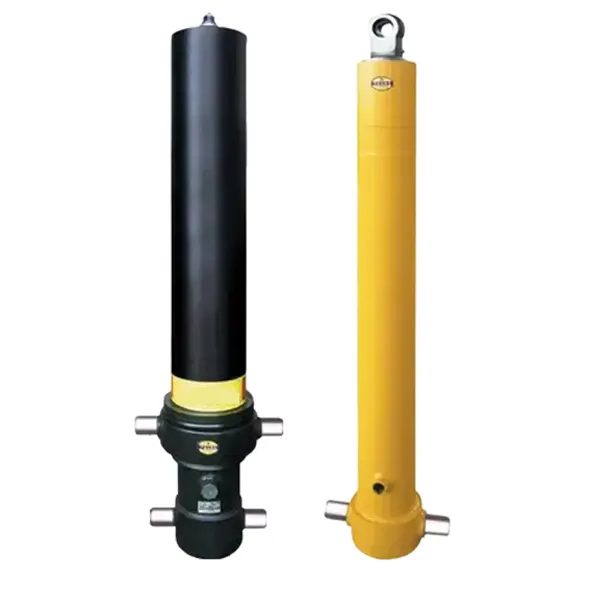
Polyurethane (PU) seals have become the dominant choice for rod seals and wiper seals on lift cylinders in high-pressure, high-cycle applications. The key property that distinguishes PU from NBR and PTFE is abrasion resistance — PU has approximately 5–10× the abrasion resistance of NBR and 3–5× that of standard PTFE grades. In environments where the rod surface carries grit, dust, or other abrasive particles into contact with the rod seal, this abrasion resistance difference translates directly into proportionally longer seal service life.
Three engineering characteristics explain why PU is specified for demanding lift cylinder applications:
HIGH TENSILE STRENGTH
PU has tensile strength of 40–60 MPa versus NBR’s 15–25 MPa. At pressures above 250 bar, the higher tensile strength prevents the seal from extruding into the diametric clearance gap between the piston and bore — a failure mode called “seal extrusion” that destroys NBR seals in high-pressure lift cylinders within relatively few cycles. Modern 92–95 Shore A polyurethane with PTFE backup rings can reliably handle pressures up to 350 bar.
PRESSURE CYCLING RESILIENCE
Polyurethane maintains its dimensional stability under repeated pressure cycling better than NBR. In high-cycle applications where the lift cylinder is pressurised and depressurised hundreds of times per shift, NBR seals can develop “compression set” — a permanent reduction in elasticity that allows leakage to develop — at cycle counts where PU seals still maintain full sealing function. This makes PU the preferred rod seal material for any lift cylinder accumulating over 50 000 cycles per year.
The limitation of polyurethane is hydrolysis — PU can degrade in the presence of water-based hydraulic fluids or moisture-contaminated mineral oil, particularly at elevated temperatures. A lift cylinder operating with water-glycol or water-emulsion hydraulic fluid should not use standard polyurethane seals; PTFE or FKM seals are required for those applications. Additionally, PU seals can develop a condition called “stick-slip” — adhesion to the rod or bore surface during static periods — which causes a jerk at the first movement from rest. For precision positioning applications where smooth, stiction-free motion is critical, PTFE seals are preferable despite their lower abrasion resistance.
РАЗДЕЛ 04
PTFE — Ultra-Low Friction and Chemical Inertness
Polytetrafluoroethylene (PTFE) offers the lowest coefficient of friction of any sealing material — typically 0.04–0.10 versus 0.1–0.3 for NBR and 0.05–0.15 for PU. This property makes PTFE the correct choice for lift cylinder applications where smooth, stiction-free motion is a priority, where the operating temperature exceeds 110°C, or where the hydraulic fluid is chemically aggressive. PTFE is chemically inert to virtually all hydraulic fluids — mineral oil, water-glycol, phosphate-ester, and vegetable-based fluids — making it the universal choice when fluid type is uncertain or when the fluid may change.
The engineering trade-off is that PTFE is rigid compared to elastomeric seals — it cannot deform to compensate for surface irregularities. Pure PTFE seals require tighter bore and rod surface finish tolerances, precise gland dimensioning, and typically a spring energiser (spring-energised PTFE seal) to maintain contact force as the PTFE wears. PTFE compound selection — glass-filled, bronze-filled, or carbon-filled grades — significantly affects which properties are optimised:
PTFE COMPOUND SELECTION GUIDE
| COMPOUND | FRICTION | WEAR RESISTANCE | Грузоподъемность | ЛУЧШЕЕ ПРИЛОЖЕНИЕ |
|---|---|---|---|---|
| Virgin PTFE | Lowest | Low | Low | Low-load, precision positioning, food-grade |
| Glass-filled PTFE | Low | Good | Moderate | General industrial lift cylinders, moderate speed |
| Bronze-filled PTFE | Low | Excellent | Высокий | High-load lift cylinders, piston seals at high pressure |
| Carbon-filled PTFE | Very Low | Excellent | Moderate | High-temperature lift cylinders, chemical process |
РАЗДЕЛ 05
Material Selection Matrix by Application

| ПРИЛОЖЕНИЕ | ROD SEAL | WIPER SEAL | PISTON SEAL | STATIC O-RINGS |
|---|---|---|---|---|
| Standard industrial (mineral oil) | NBR | NBR/PU | NBR | NBR 70A |
| Agricultural / outdoor exposure | PU | PU + metal scraper | NBR/PU | NBR 70A |
| Tipper / dump truck (high cycle) | PU 92–95A | PU + scraper | PTFE-backed NBR | NBR 70A |
| Precision / low friction required | PTFE spring-energised | PTFE | Bronze-PTFE | NBR 70A |
| High temperature (>110°C) | ФКМ | ФКМ | FKM / Carbon-PTFE | FKM 75A |
| Food/pharma (NSF H1 required) | PTFE / food-grade NBR | PTFE | PTFE | EPDM / food-grade |
Specification note: Mixed-material seal kits — using PU for the rod seal and wiper with NBR for the piston seal and static O-rings — are the most common specification for demanding outdoor lift cylinder applications. This combination provides PU’s abrasion resistance at the rod (where external contamination exposure is highest) while retaining NBR’s cost-effectiveness at the piston seal (which operates in a clean, flooded environment). For broader industrial cylinder configurations across all application types, the гидравлический цилиндр промышленного назначения catalogue covers the full range of seal kit specifications by bore size and application class.
РАЗДЕЛ 06
Seal Failure Modes and Root Cause Diagnosis
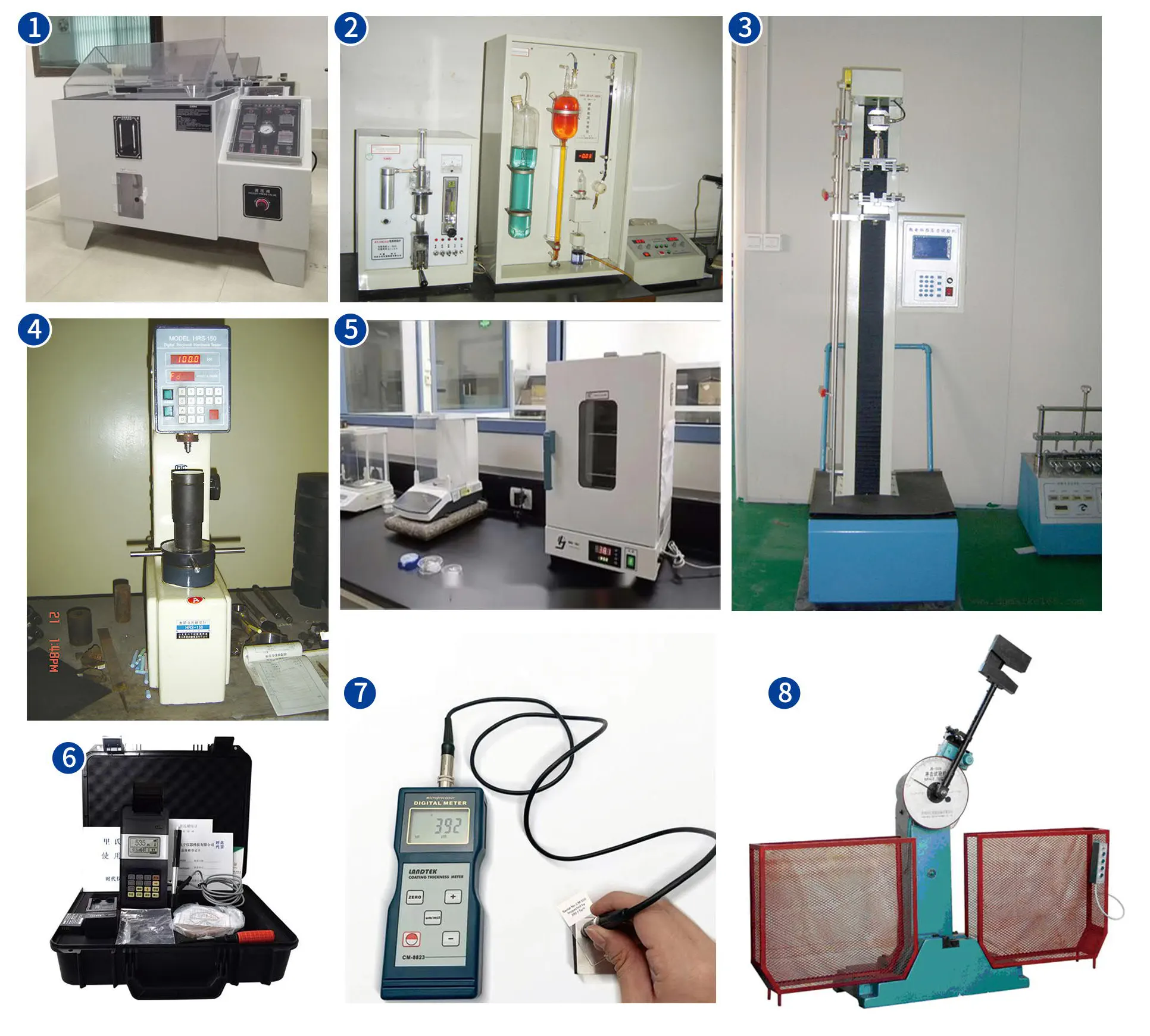
Seal failure in a hydraulic lift cylinder almost always has a diagnosable root cause — and identifying the root cause is more important than simply replacing the failed seal, because the same root cause will destroy the replacement seal in the same timeframe. The four primary failure modes and their diagnostic indicators:
SEAL FAILURE MODE DIAGNOSIS · HYDRAULIC LIFT CYLINDER
Root cause: Failed or under-specified wiper seal allowing abrasive contamination to reach the rod seal. Often combined with inadequate rod cleaning discipline. Fix: Upgrade wiper to double-lip PU with metal scraper; implement daily rod wiping protocol; switch rod seal to PU 92–95 Shore A for improved abrasion resistance.
Root cause: Diametric clearance between piston and bore is too large for the seal material’s hardness at operating pressure, causing the seal to extrude into the gap. Common in older cylinders where bore wear has increased clearance, or when NBR seals are used above their rated pressure. Fix: Measure clearance and compare to seal manufacturer’s extrusion rating; upgrade to harder PU or add PTFE backup ring.
Root cause: Sustained operating temperature above the seal material’s rated maximum. Frictional heating at the rod seal interface often exceeds bulk fluid temperature by 20–40°C, meaning a system running at “90°C” may be destroying NBR rod seals at 110–130°C. Fix: Measure rod temperature directly at the gland entry point; if consistently above 100°C, upgrade to FKM or increase cooling capacity.
Root cause: Seal material is incompatible with the hydraulic fluid — classic presentation is rapid seal failure immediately after a hydraulic oil change or the addition of additives. NBR is particularly vulnerable to phosphate-ester fluids; PU to water-glycol fluids. Fix: Verify seal material compatibility with the actual fluid specification; switch to PTFE or FKM for universal fluid compatibility.
Часто задаваемые вопросы по применению приложения
Lift Cylinder Seal System Questions
В 01
Can I install a polyurethane seal kit in a cylinder that previously had NBR seals?
Yes, providing the gland dimensions are within the PU seal’s manufacturing tolerance range, which is the case for most standard lift cylinder gland designs. PU lift cylinder seals are available in the same nominal cross-section dimensions as NBR seals and can be direct replacements in the same gland groove. The one consideration is gland clearance: PU is slightly harder than NBR and has marginally less “squeeze” — if the gland groove is at the maximum wear tolerance, the PU seal may not achieve the full sealing contact pressure that an NBR seal would in the same groove. Have the gland bore measured and compare to the seal manufacturer’s dimensional specification before upgrading. For lift cylinders with known bore or rod wear, a dimensional assessment is recommended before specifying the seal material for the replacement kit.
В 02
Why does my lift cylinder external leak stop after I change the oil but come back within a few weeks?
This pattern — leak stops after an oil change then returns — is a classic indicator of chemical incompatibility between the original seal material and a fluid additive or contamination that accumulated in the old oil. When you change the oil, you remove the contaminating agent and the seal temporarily swells back to functional size; as the new oil picks up the same contamination from the reservoir walls, circuits, and component surfaces, the degradation resumes. The correct diagnosis approach is to take a fluid sample before and after the oil change and have it analysed for additive package composition and contamination type. If the old oil contained phosphate-ester additives (commonly added to prevent rust in poorly maintained systems), NBR seals will degrade regardless of how often they are replaced — upgrade to FKM or PTFE seals.
В 03
How do I know when to replace seals preventively vs waiting for a leak to develop?
The decision between preventive and reactive lift cylinder seal replacement depends on the consequence of an unplanned failure. For any lift cylinder where personnel are working on or under the platform, preventive replacement at a fixed interval is the only acceptable approach — waiting for a visible leak to develop means the seal has already failed and the next stage is a pressure-drop failure that causes uncontrolled platform descent. For lift cylinders on non-personnel equipment, the cost comparison between preventive replacement and planned downtime versus emergency repair and unplanned downtime usually favours preventive replacement at 70–80% of the estimated seal service life. As a rule of thumb, if a seal kit costs less than 2 hours of machine downtime value, it is always more economical to replace preventively on a fixed interval.
В 04
What surface finish is required on the rod and bore for PTFE seals to work correctly?
PTFE lift cylinder seals require tighter surface finish tolerances than elastomeric seals because PTFE cannot elastically conform to surface irregularities. For the rod surface contacting a PTFE rod seal: Ra 0.1–0.4 μm (4–16 μin) with a hard chrome surface finish of minimum 45 HRC; lay direction should be circumferential, not axial. For the bore contacting a PTFE piston seal: Ra 0.2–0.8 μm (8–32 μin) with a honed finish having a cross-hatch pattern that retains oil for lubrication. If the rod or bore surface has deteriorated to Ra values above these ranges — which occurs with scoring, pitting, or chrome wear — PTFE seals will not achieve zero leakage regardless of seal quality. In that case, either the rod must be re-chromed and re-ground, or a switch to polyurethane seals (which tolerate rougher surfaces) is the practical solution.
LIFT CYLINDER SEAL SPECIFICATION SUPPORT
Selecting the Right Seal System for Your Lift Cylinder?
Our application engineering team specifies seal kits matched to your cylinder’s operating temperature, pressure, fluid type, and cycle frequency — ensuring the correct material for every seal position across the full подъемный цилиндр bore range.
Редактор: Cxm