Seri Mesin Pertanian · Monograf XVIII
Silinder Pengangkat Boom untuk Wheel Loader Kompak Pertanian
Loader roda kompak pertanian melakukan tugas-tugas utilitas vital di seluruh operasi pertanian, termasuk menangani pupuk kandang yang dipadatkan, memuat silase dengan kepadatan tinggi, menumpuk bal jerami bundar, dan menggali saluran drainase. Beroperasi di bawah gaya dobrak siklik yang parah, pemuatan bucket asimetris, dan paparan asam organik yang agresif, aktuator pengangkat boom utamanya membutuhkan integritas struktural yang tanpa kompromi. Panduan teknik ini menganalisis mekanika, tribologi, dan jaminan kualitas non-destruktif dari silinder pengangkat boom las kerja ganda. Kami memeriksa kinematika pengangkat boom loader, kinetika perlakuan panas baja paduan 42CrMo, penyebab utama retak kelelahan longitudinal laras silinder, mekanika selongsong berdinding tebal, perlindungan permukaan nikel tanpa listrik, dan protokol Pengujian Ultrasonik (UT) 100%.
Desain Laras Dinding Tebal
Inspeksi Cacat UT
Matriks Spesifikasi Teknik untuk Silinder Pengangkat Boom Loader Kompak
Parameter rekayasa berikut menetapkan tolok ukur struktural, metalurgi, penyegelan, dan pengujian yang diperlukan untuk silinder pengangkat boom las kerja ganda yang digunakan pada loader roda kompak pertanian.
| Parameter Teknik | Spesifikasi Standar Loader Kompak Pertanian |
|---|---|
| Kategori dan Aplikasi Peralatan | Kendaraan Teknik Pertanian / Loader Roda Kompak (Kapasitas 0,5 hingga 2,5 Ton) |
| Profil Gerakan Subsistem | Sirkuit Pengangkat Boom Lengan Pemuat Utama / Pengangkatan & Penurunan Linier Kerja Ganda |
| Nama Silinder Hidrolik | Rakitan Silinder Pengangkat Boom (Konfigurasi Pengangkat Ganda Berpasangan) |
| Modus Aksi & Tipe Struktur | Tipe Piston Kerja Ganda (Dorongan Elevasi Gaya Tinggi / Tekanan Turun Bertenaga) |
| Konstruksi Manufaktur | Arsitektur Tabung Dinding Tebal yang Dilas Robotik dengan Penetrasi Penuh (Sesuai dengan AWS D1.1) |
| Sistem Material Metalurgi | Baja Paduan Kekuatan Tinggi 42CrMo (Pipa Tanpa Sambungan yang Didinginkan & Ditempa) |
| Perawatan Permukaan & Pelapisan | Pelapisan Nikel Tanpa Listrik (ENP) / Lapisan Nikel-Krom Ganda (25–35 μm) |
| Kelas Peringkat Lingkungan | Beban Dinamis Ekstrem + Debu Silika di Udara + Asam Organik + Lumpur dengan Kelembaban Tinggi |
| Profil Kondisi Kerja | Siklus Gaya Penggalian yang Kuat + Elevasi Bucket Pembuangan Tinggi + Pemuatan Asimetris |
| Kegagalan Utama Dimitigasi | Retak Kelelahan Memanjang pada Laras Silinder & Pecah Akibat Ledakan Tekanan |
| Poin-Poin Penting Rekayasa yang Direkomendasikan | Rasio Barrel Dinding Tebal Berat + Pengujian Cacat Ultrasonik Volumetrik 100% (UT) |
| Peringkat Tekanan Nominal | Tekanan Pelepas Kerja Kontinu 21,0 MPa hingga 28,0 MPa (210 – 280 Bar) |
Kinematika Boom Loader Kompak dan Dinamika Gaya Hidraulik
Loader roda kompak pertanian adalah alat kerja serbaguna yang dirancang untuk beroperasi di lorong-lorong gudang yang sempit, kandang ternak, dan tempat penyimpanan di lapangan. Tidak seperti loader teknik sipil yang menangani pasir atau kerikil yang seragam, loader pertanian secara rutin menangani berbagai macam material—mulai dari jerami kering yang ringan hingga kotoran ternak yang dipadatkan dengan berat lebih dari 1.400 kg/m³, silase jagung basah, dan bebatuan berat di lapangan.
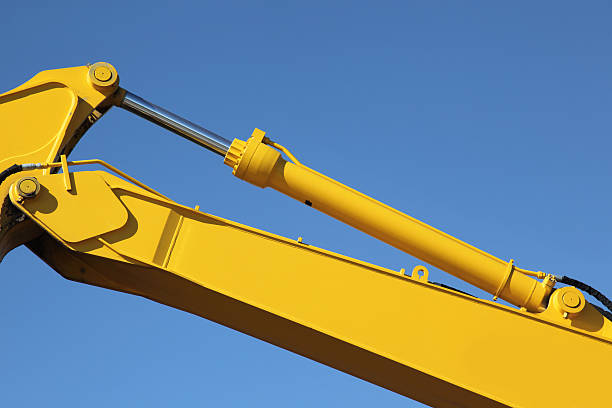
Gerakan pengangkatan utama lengan loader digerakkan oleh sepasang motor kerja ganda. silinder pengangkat hidrolik Silinder ini dipasang dengan pin di antara rangka sasis traktor utama dan struktur lengan pengangkat bawah. Silinder ini memberikan gaya ekstensi linier yang diperlukan untuk mengangkat ember atau alat pengangkat palet yang bermuatan dari permukaan tanah ke ketinggian pembuangan yang melebihi 3,2 meter.
Siklus Gaya Penggalian Terobosan dan Pembangkitan Tekanan Puncak
Fase operasional yang paling menantang terjadi selama proses penggalian dengan bucket. Ketika operator mengarahkan ujung pemotong bucket ke tumpukan pupuk kandang yang padat atau tanah keras, momentum maju kendaraan dikombinasikan dengan perintah kemiringan bucket dan pengangkatan boom secara bersamaan.
Saat bucket melengkung kembali melawan material yang tidak bergerak, cairan hidrolik yang terperangkap di dalam ruang ujung tutup silinder pengangkat mengalami lonjakan tekanan yang intens (P).paku > 35,0 MPa) sebelum katup pelepas sirkuit utama dapat terbuka. Tekanan tinggi ini menciptakan tegangan lingkar yang parah di seluruh dinding silinder sekaligus mentransmisikan guncangan benturan dinamis ke sambungan pin pemasangan.

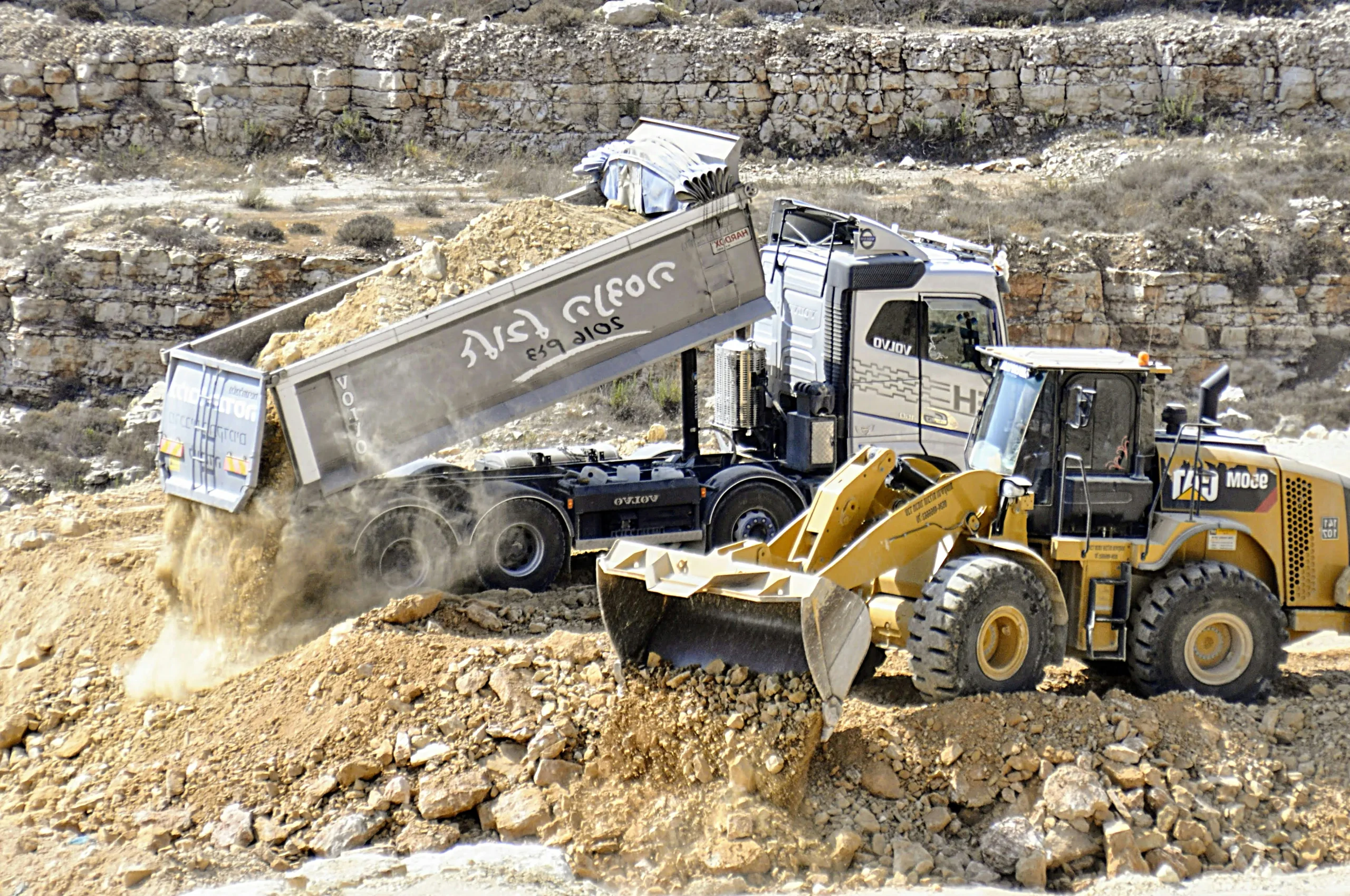
Silinder hidrolik mesin industri front loader
Persamaan Gaya Piston Kerja Ganda
Silinder pengangkat boom loader kompak menggunakan konfigurasi piston kerja ganda untuk memberikan gaya hidrolik positif selama pengangkatan boom ke atas dan penetrasi alat ke bawah (seperti mendorong penggali lubang tiang atau mengikis lantai gudang). Gaya yang dihasilkan selama ekstensi (Fdorongan) dan penarikan kembali (Fmenarik) didefinisikan oleh luas ruang efektif:
Di mana Phidran mewakili tekanan pelepas kerja sistem (biasanya 21,0 hingga 28,0 MPa), Dmembosankan adalah diameter lubang laras bagian dalam (80 mm hingga 120 mm untuk pengisi peluru kompak), dan dbatang adalah diameter luar batang piston padat (45 mm hingga 70 mm).
Analisis Akar Penyebab Kegagalan: Keretakan Kelelahan Memanjang pada Silinder
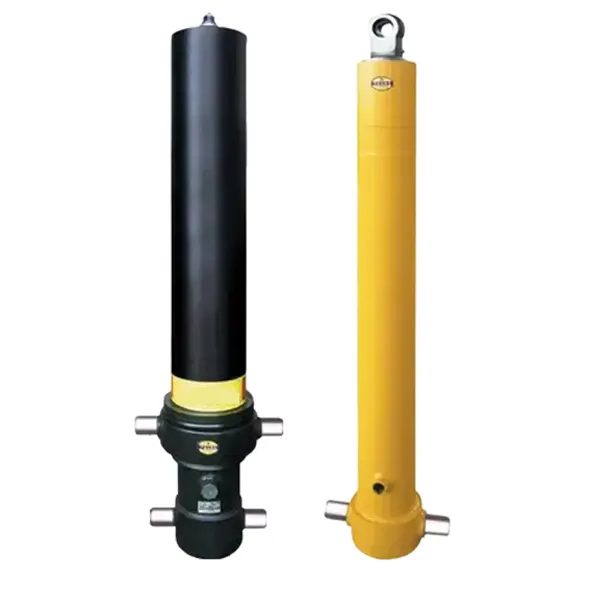
Dalam pengoperasian loader pertanian, silinder pengangkat mengalami siklus tekanan terus-menerus di bawah beban dobrak yang tinggi. Inspeksi servis lapangan mengungkapkan bahwa Keretakan Kelelahan Memanjang pada Silinder (Pecahnya Tabung) merupakan mode kegagalan struktural kritis pada aktuator lift yang berukuran terlalu kecil atau berkualitas rendah.
Tabung utilitas standar yang diproduksi dengan tabung baja karbon berdinding tipis (seperti ST52 atau AISI 1045) seringkali mengalami kegagalan sebelum waktunya ketika terkena lonjakan tekanan berulang dan beban samping yang tidak simetris.
Mekanika Tegangan Lingkar dan Inisiasi Retakan Mikro
Ketika terjadi lonjakan tekanan hidraulik internal yang tinggi selama penggalian menggunakan bucket, laras silinder bertindak sebagai bejana tekan silindris. Tekanan internal tersebut menciptakan tegangan tarik melingkar, yang dikenal sebagai tegangan hoop (σ).simpai), yang bekerja melintasi sumbu longitudinal dinding tabung:
Di mana Ddi dalam adalah diameter laras bagian dalam dan tdinding adalah ketebalan dinding tabung. Jika ketebalan dinding tdinding Jika tidak mencukupi, lonjakan tekanan internal mendorong tegangan lingkar puncak melampaui batas kelelahan material baja.
Jika terdapat inklusi mikroskopis, cacat sambungan, atau goresan permukaan pada permukaan bagian dalam lubang yang telah dihaluskan, cacat mikroskopis ini bertindak sebagai takik konsentrasi tegangan. Di bawah beban siklik, tegangan lingkar tarik tinggi menyebabkan retakan mikro terbentuk di akar takik ini. Selama ribuan siklus penggalian, retakan kelelahan ini merambat secara radial ke luar melalui ketebalan dinding hingga laras silinder terbelah memanjang, mengakibatkan hilangnya daya hidrolik secara katastropik.
Beban Bucket Asimetris dan Tegangan Lentur Samping
Dalam operasi pertanian, bak pemuat jarang mengalami pembebanan yang seragam. Jika operator menggali tumpukan pupuk kandang yang padat hanya menggunakan sudut kiri bak, hambatan asimetris tersebut menghasilkan momen puntir di sepanjang sambungan lengan boom pemuat.
Gaya puntir ini menimbulkan tegangan tekuk samping yang parah (σ)pembengkokan) di sepanjang batang piston silinder pengangkat yang diperpanjang dan rakitan laras. Di sisi dinding silinder tempat tegangan lingkar internal sejajar dengan tegangan lentur eksternal, tegangan tarik gabungan (σtotal = σsimpai + σpembengkokan) mempercepat perambatan retakan, menyebabkan kegagalan laras sebelum waktunya.
1. Lonjakan Tekanan Siklik
Penggalian ke dalam material yang padat menciptakan lonjakan tekanan di atas 35,0 MPa, yang mendorong tegangan lingkar melebihi ambang batas kelelahan baja karbon standar.
2. Perambatan Takik Bawah Permukaan
Inklusi material mikroskopis atau cacat permukaan lubang bertindak sebagai pemicu tegangan, yang memulai retakan mikro yang tumbuh ke luar di bawah siklus kelelahan dinamis.
3. Pembelahan Tabung Memanjang
Gabungan tegangan melingkar dan beban lentur samping menyebabkan retakan kelelahan menembus seluruh ketebalan dinding, yang mengakibatkan semburan fluida bertekanan dan pecahnya tabung secara total.
Konfigurasi yang Direkomendasikan: Rekayasa Dinding Tebal dan Inspeksi UT
Menghilangkan keretakan akibat kelelahan pada laras silinder dan memastikan keselamatan operasional jangka panjang pada loader kompak pertanian membutuhkan solusi rekayasa yang berpusat pada “Desain Laras Dinding Tebal yang Kokoh” dan “Pengujian Cacat Ultrasonik Volumetrik 100% (UT)”.
1. Geometri Laras Dinding Tebal Lamé
Untuk mencegah ekspansi tabung elastis dan menurunkan tegangan lingkar internal selama lonjakan tekanan yang parah, tabung silinder dirancang sebagai bejana tekan berdinding tebal. Menurut persamaan dinding tebal Lamé, sebuah silinder diklasifikasikan sebagai berdinding tebal ketika rasio diameter luar terhadap diameter dalam (K = D)di luar / Ddi dalam) melebihi 1,20.
Untuk silinder pengangkat boom loader kompak, rasio dinding ditentukan antara 1,30 dan 1,40. Distribusi radial tegangan lingkar (σsimpai) melintasi tabung berdinding tebal didefinisikan sebagai:
Meningkatkan rasio ketebalan dinding menurunkan tegangan lingkar bagian dalam puncak hingga lebih dari 35%, memastikan tegangan kerja tetap berada dalam kisaran umur kelelahan tak terbatas dari substrat baja paduan.
2. Protokol Pengujian Cacat Ultrasonik Volumetrik (UT) 100%
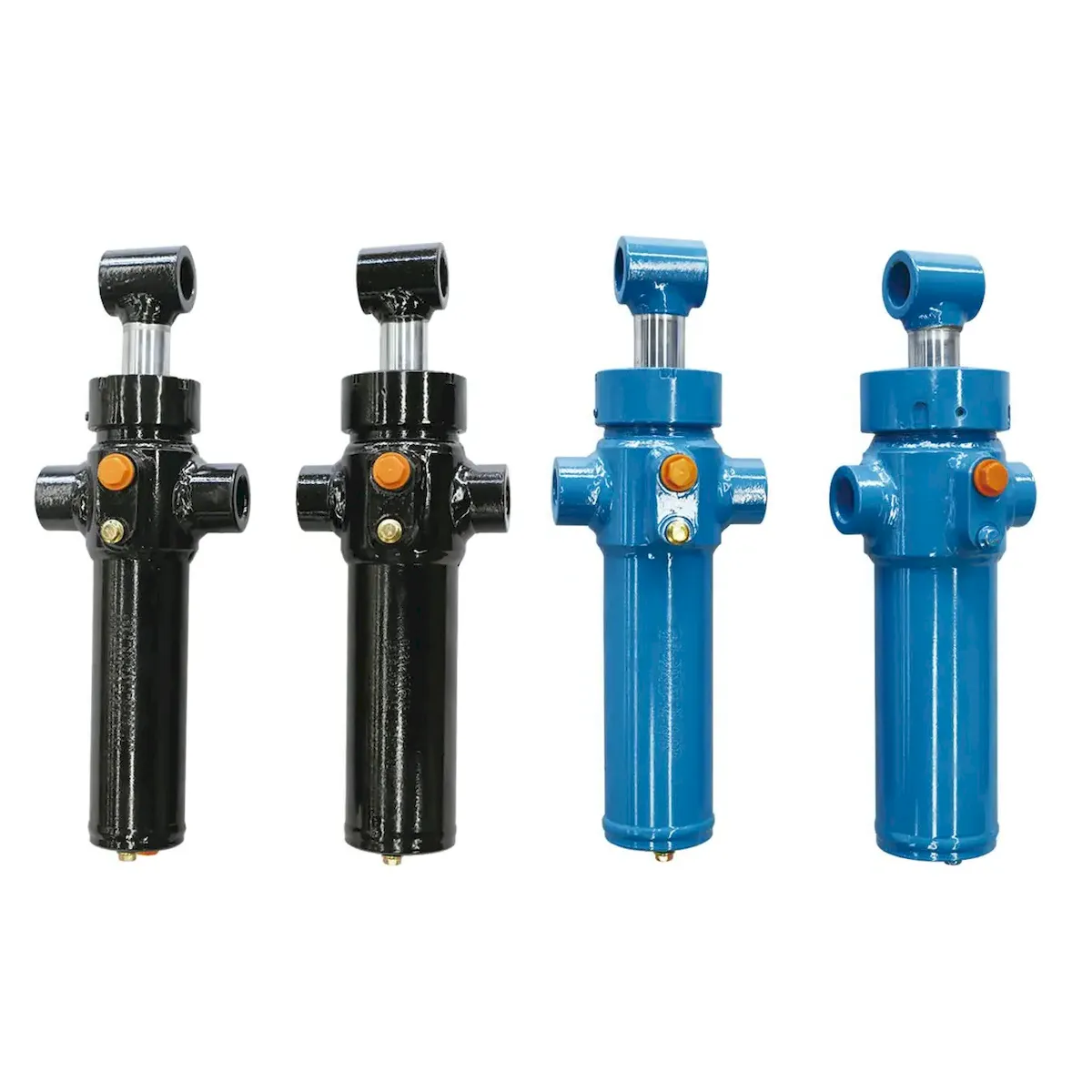
Untuk memastikan tabung baja paduan tanpa sambungan tidak mengandung cacat di bawah permukaan yang dapat memicu keretakan kelelahan, setiap ekstrusi tabung mentah menjalani Pengujian Cacat Ultrasonik volumetrik 100% (UT sesuai standar ISO 17640 / EN 12680 Level B):
- ▸
Pemindaian Gelombang Suara Ultrasonik Frekuensi Tinggi: Transduser piezoelektrik meneruskan gelombang suara frekuensi tinggi melalui seluruh volume dinding tabung 42CrMo. Setiap rongga internal, inklusi terak, atau tumpang tindih sambungan memanjang memantulkan energi suara kembali ke sensor, secara otomatis menandai tabung yang cacat untuk ditolak. - ▸
100% Inspeksi Sambungan Las Penetrasi Penuh: Pengelasan penetrasi penuh robotik yang menyambungkan tutup dasar dan blok port ke laras berdinding tebal menjalani pengujian ultrasonik sinar sudut untuk memverifikasi fusi las 100% dengan porositas akar nol. - ▸
Pengujian Bukti Tekanan Lebih Hidrostatik 1,5×: Setiap rakitan silinder yang telah selesai menjalani pengujian tekanan bukti pada tekanan kerja nominal 150% (hingga 42,0 MPa) selama waktu penahanan minimum 10 menit untuk memverifikasi integritas struktural.
Menentukan sistem yang tangguh rakitan silinder pengangkat hidrolik yang dilas Dirancang dengan laras berdinding tebal dan inspeksi cacat UT 100%, menghilangkan risiko retak tabung dan memperpanjang waktu kerja mesin dalam aplikasi pertanian yang menuntut.
Metalurgi Struktural: Baja 42CrMo dan Tribologi Permukaan Nikel
Silinder pengangkat boom loader kompak membutuhkan kekuatan luluh struktural yang tinggi untuk menyerap beban kejut yang parah. Baja struktural karbon standar (seperti AISI 1045 atau ST52-3) menawarkan kekuatan luluh sekitar 350 hingga 450 MPa, sehingga rentan terhadap kegagalan kelelahan ketika terpapar lonjakan tekanan terus menerus.
Silinder pengangkat boom pertanian menggunakan "baja paduan berkekuatan tinggi 42CrMo" (sesuai dengan GB/T 3077, setara dengan AISI 4140 / 42CrMo4) untuk tabung laras berdinding tebal tanpa sambungan dan batang piston padat.
Kinetika Pemrosesan Termal Pendinginan dan Tempering
Tabung seamless 42CrMo mentah menjalani proses Quenching and Tempering (Q&T) secara penuh. Material dipanaskan hingga 850°C – 880°C untuk austenitisasi lengkap, didinginkan dengan polimer untuk mencapai struktur butir martensit, dan di-tempering pada suhu 560°C – 620°C untuk menghasilkan martensit temper.
Perlakuan panas ini meningkatkan kekuatan luluh inti (σ).0.2) hingga lebih dari 850 MPa dan kekuatan tarik maksimum (σB) hingga lebih dari 1000 MPa, dengan ketahanan benturan Charpy V-notch melebihi 45 J pada -20°C. Kekuatan luluh yang tinggi mencegah ekspansi laras permanen dan pembengkokan batang di bawah beban kejut dinamis.
Pelapisan Nikel Tanpa Listrik (ENP) / Perlindungan Permukaan Dupleks
Lingkungan pertanian membuat aktuator hidrolik terpapar asam organik yang sangat korosif yang ditemukan dalam kotoran ternak, cairan silase, dan pupuk cair. Pelapisan krom standar dapat menunjukkan retakan mikro yang memungkinkan uap air asam mencapai dasar baja, sehingga memicu korosi di bawah lapisan film.
Untuk menangkal serangan asam organik, batang piston 42CrMo padat menjalani “Pelapisan Nikel Tanpa Elektroda (ENP)” atau “Proses Pelapisan Nikel-Krom Ganda” (lapisan bawah nikel berfosfor tinggi 15 μm + lapisan luar krom keras 20 μm):
- ▸
Lapisan Bawah Nikel Amorf (Porositas Nol): Endapan nikel tanpa listrik autokatalitik membentuk penghalang paduan nikel-fosfor amorf dan tidak berpori di atas batang baja, menyegel substrat terhadap lumpur pupuk asam. - ▸
Cangkang Luar yang Dikeraskan dengan Induksi (58-62 HRC): Pengerasan induksi frekuensi menengah menghasilkan lapisan luar yang dikeraskan dengan kedalaman 2,5 mm hingga 4,0 mm di bawah lapisan pelapis, mencegah lekukan permukaan ketika serpihan batu mengenai batang. - ▸
Ketahanan Korosi yang Diperpanjang: Batang berlapis ganda lolos uji Semprot Garam Netral (NSS) 150 jam sesuai ISO 9227 (Peringkat 10 kinerja tanpa korosi), memastikan keandalan jangka panjang di lingkungan pertanian.
Prosedur Operasi Standar (SOP) untuk Pemeliharaan Preventif, Kebersihan Cairan, dan Diagnostik.
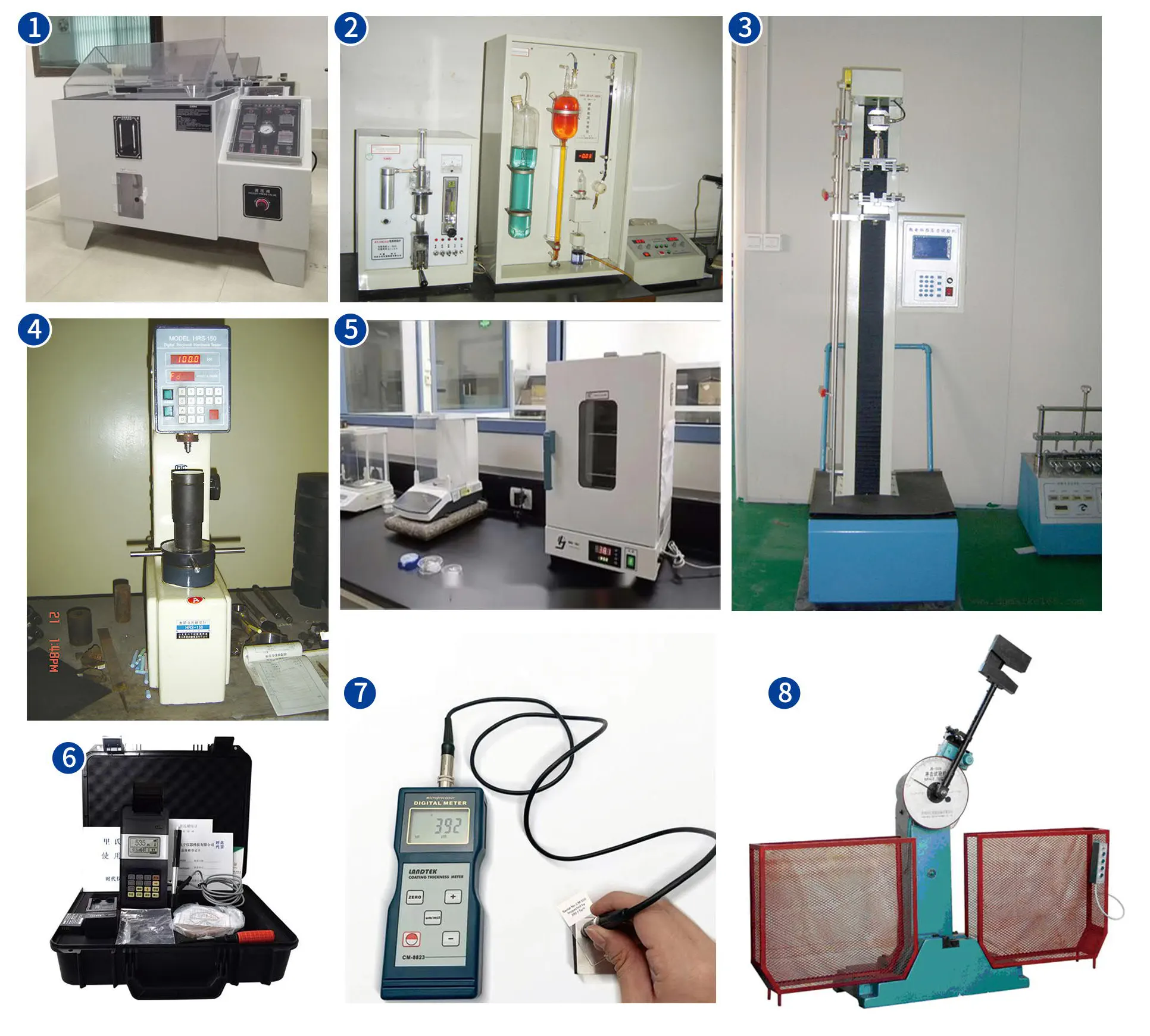
Untuk menjaga kinerja puncak dan mencegah kerusakan tak terduga selama musim panen yang sibuk, mekanik bengkel pertanian harus menerapkan prosedur inspeksi hidrolik secara berkala.
Target Kebersihan ISO dan Pedoman Filtrasi Cairan
Oli hidrolik pada sistem loader kompak harus dijaga kebersihannya sesuai dengan kode ISO 4406 17/15/12 atau lebih bersih. Debu tanah dan partikel silika halus yang terbawa udara harus dicegah masuk ke reservoir hidrolik dengan menggunakan filter balik 10 mikron efisiensi tinggi dan tutup ventilasi pengering.
Prosedur Inspeksi Retak dan Segel Laras Langkah demi Langkah
Teknisi dapat memeriksa silinder pengangkat boom loader selama perawatan peralatan rutin menggunakan prosedur diagnostik ini:
1. Inspeksi Dinding Luar dengan Cairan Penetrasi Pewarna
Bersihkan gemuk dan kotoran lapangan dari permukaan luar laras menggunakan pelarut. Oleskan cairan penetran pewarna merah diikuti dengan semprotan pengembang putih di sepanjang area yang mengalami tekanan tinggi di dekat lasan tutup ujung dan tonjolan port. Garis merah apa pun menunjukkan retakan mikro akibat kelelahan memanjang yang memerlukan penggantian silinder segera.
2. Uji Bypass Segel Piston Internal
Angkat lengan loader ke ketinggian tengah dengan beban nominal, pasang penyangga pengaman mekanis, dan lepaskan saluran balik hidrolik pada port ujung batang. Berikan tekanan pada ujung tutup. Jika oli mengalir keluar dari port yang terbuka, cairan melewati segel piston internal, yang menunjukkan cincin segel yang aus atau pemuaian laras.
Pertanyaan yang Sering Diajukan: Silinder Pengangkat Boom Loader Kompak
Apa penyebab retaknya laras silinder pada loader roda kompak pertanian?
Keretakan memanjang pada laras silinder loader pertanian disebabkan oleh lonjakan tekanan dinamis (> 35,0 MPa) selama operasi penggalian bucket, dikombinasikan dengan beban tekukan samping dari penggalian bucket yang tidak simetris. Gabungan gaya-gaya ini mendorong tegangan lingkar melebihi batas kelelahan tabung baja karbon standar. Inklusi mikroskopis atau cacat lubang internal bertindak sebagai takik konsentrasi tegangan, memulai retakan mikro yang menyebar ke luar hingga laras terbelah.
Mengapa Pengujian Cacat Ultrasonik Volumetrik (UT) 100% sangat penting untuk silinder pengangkat loader?
Pengujian Cacat Ultrasonik (UT per ISO 17640) menggunakan gelombang suara frekuensi tinggi untuk memeriksa seluruh volume dinding tabung tebal 42CrMo dan sambungan las, mendeteksi cacat di bawah permukaan seperti rongga mikro, inklusi terak, atau tumpang tindih sambungan sebelum perakitan. Menghilangkan cacat material internal memastikan laras silinder mampu menahan lonjakan tekanan siklik tanpa memicu retakan kelelahan di lapangan.
Bagaimana pelapisan nikel tanpa listrik (ENP) melindungi batang silinder hidrolik dari korosi asam kotoran hewan?
Pelapisan nikel tanpa listrik (electroless nickel plating) melapisi lapisan paduan nikel-fosfor amorf dan tidak berpori di atas substrat baja 42CrMo. Tidak seperti krom keras yang retak mikro, lapisan bawah nikel amorf memberikan penghalang tanpa porositas yang mencegah asam organik dari kotoran ternak, air lindi silase, dan pupuk cair menembus ke dasar baja, sehingga menghilangkan korosi pitting galvanik di bawah lapisan film.
Mengapa baja paduan 42CrMo lebih unggul daripada baja ST52 standar atau baja karbon untuk silinder lengan loader?
Baja paduan 42CrMo menghasilkan kekuatan luluh melebihi 850 MPa setelah pendinginan dan penemperan—lebih dari dua kali lipat kekuatan luluh baja ST52 atau AISI 1045 standar. Baja ini juga memberikan penyerapan energi benturan Charpy V-notch ≥ 45 Joule pada suhu -20°C. Kombinasi kekuatan luluh yang tinggi dan ketahanan benturan di bawah nol ini mencegah deformasi struktur laras dan pembengkokan batang selama operasi pertanian musim dingin yang berat.
Pengadaan Strategis dan Total Biaya Kepemilikan
Bagi produsen peralatan pertanian (OEM), dealer peralatan pertanian, dan manajer peternakan, kegagalan silinder yang tidak terduga selama siklus pemberian pakan atau panen yang berat menyebabkan waktu henti mesin dan biaya perbaikan yang tinggi. Penggunaan silinder utilitas berbiaya rendah yang diproduksi dengan baja karbon berdinding tipis atau pelapisan krom dasar seringkali mengakibatkan keretakan berulang pada silinder, kebocoran cairan, dan peningkatan total biaya operasional.
Tim pengadaan peralatan dapat mengevaluasi opsi teknis di berbagai bidang. Opsi silinder hidrolik kendaraan teknik pertanian untuk memverifikasi sertifikasi material, spesifikasi ketebalan dinding, dan laporan uji cacat UT. Melengkapi loader kompak dengan peralatan tugas berat. Produk kategori silinder pengangkat hidrolik Dirancang dengan baja paduan 42CrMo, laras berdinding tebal, pelapisan nikel tanpa listrik, dan pengujian UT 100%, memastikan keandalan operasional jangka panjang dan biaya operasional total yang lebih rendah di berbagai musim.
Tingkatkan Armada Loader Kompak Anda dengan Tenaga yang Tahan Pecah
Hilangkan keretakan akibat kelelahan pada laras silinder, cegah korosi asam organik, dan pertahankan daya angkat boom yang andal selama operasi loader pertanian berat. Jelajahi rangkaian lengkap silinder angkat berdinding tebal 42CrMo kerja ganda kami yang dirancang untuk loader roda kompak pertanian.