Reihe „Automatisierte Lagerung & Intralogistik“ · Monographie XXI
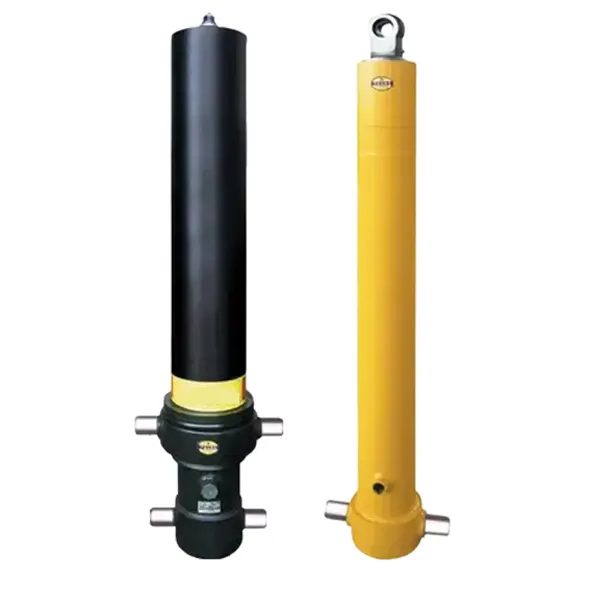
Gabelstaplerzylinder für automatisierte Lager- und Kommissioniersysteme
Automatisierte Lager- und Kommissioniersysteme (ASRS), fahrerlose Transportsysteme (FTS), Regalbediengeräte und schienengeführte Palettentransportwagen führen täglich Tausende von schnellen, hochfrequenten Palettenhubzyklen durch. In Hochregallagern sind diese automatisierten Hydraulikzylinder hohen Belastungen durch freitragende Gabeln, asymmetrischer Gewichtsverteilung und feinem Papier-/Quarzstaub in der Luft ausgesetzt. Dieser umfassende Leitfaden analysiert die Strukturmechanik, die Materialwissenschaft und die Konstruktion zur Vermeidung von Fressverschleiß bei doppeltwirkenden, geschweißten Kolben-Gabelstaplerzylindern. Wir untersuchen die Kinematik der freitragenden Gabeln, die Metallurgie des niedriglegierten, hochfesten Stahls Q345D, die Hauptursachen für exzentrischen Verschleiß der Kolbenstange und Fressverschleiß an den Dichtungen, die Präzisions-Hartverchromung sowie Konstruktionen mit verlängerten Führungsbuchsen, die entwickelt wurden, um Seitenlastausfälle im kontinuierlichen 24/7-Logistikbetrieb zu verhindern.
Verlängerte Führungsbuchse
Exzentrische Verschleißminderung
Technische Spezifikationsmatrix für ASRS-Gabelstaplerzylinder
Die folgenden technischen Parameter legen die strukturellen, metallurgischen, dichtungstechnischen und betriebstechnischen Anforderungen fest, die für doppeltwirkende, geschweißte Gabelstaplerzylinder erforderlich sind, die in automatisierten Lager- und Palettenhandhabungssystemen eingesetzt werden.
| Technischer Parameter | Spezifikationsstandard für automatisierte Lagersysteme |
|---|---|
| Gerätekategorie & Anwendung | Industrielle Logistikautomatisierung / ASRS, Regalbediengeräte und autonome Palettentransportsysteme |
| Bewegungsprofil des Teilsystems | Teleskop-Gabelträger-Hebemechanismus & Palettenhebemechanismus / Doppeltwirkende Bewegung |
| Name des Hydraulikzylinders | Gabelstapler-Zylinderbaugruppe (kompakte geschweißte Kolbenbaugruppe) |
| Aktionsmodus & Strukturtyp | Doppeltwirkender Kolbenzylinder (kontrollierte Hochgeschwindigkeitsausfahrt und motorisierte Einfahrt) |
| Fertigungsbau | Robotergeschweißte Rohr- und integrierte Flansch-/Gabelkopfarchitektur (AWS D1.1-konform) |
| Werkstoffsystem Metallurgie | Q345D Niedriglegiertes hochfestes Baustahlrohr (GB/T 1591 / EN 10025 S355J2) |
| Oberflächenbeschaffenheit und Beschichtung | Induktionsgehärtet (55–60 HRC) + Präzisions-Hartverchromung (20–30 μm, Ra ≤ 0,15 μm) |
| Umweltbewertungsklasse | Lagerhalle, in der Luft befindlicher Papier-/Quarzstaub + mittlere Lastzyklen (500–1.500 kg) |
| Profil der Arbeitsbedingungen | Kontinuierlicher 24/7-Betriebszyklus + Schnelle Hubübergänge + Seitliche Momente des Kragarms |
| Primäres Versagen gemildert | Exzentrischer Verschleiß der Kolbenstange, Fressen der Führungsbuchse und dynamisches Dichtungsschleifenversagen |
| Empfohlene technische Schwerpunkte | Verlängerte Führungsbuchsenhülse + beabstandete, bronzegefüllte PTFE-Lager + doppelte Staubabstreifer |
| Nenndruck | 16,0 MPa bis 21,0 MPa (160 – 210 bar) Dauerbetriebsdruck |
Palettenhebungskinematik und Kragarmkraftdynamik
Moderne, automatisierte Logistikzentren und Kühlhausverteilzentren nutzen automatische Regalbediengeräte, fahrerlose Transportsysteme (FTS) und Shuttle-Fahrzeuge für die Handhabung von Standard-ISO-/Euro-Paletten mit einem Gewicht zwischen 500 kg und 1.500 kg. Zum Ein- und Auslagern von Waren in Hochregallagerplätze muss die Teleskopgabel des Shuttles horizontal in das Regal ausfahren, die Palette vertikal über die Träger heben und wieder in den Hauptwagen zurückfahren.
Die vertikale Hubbewegung des Gabelträgers wird durch einen doppeltwirkenden Antrieb erzeugt. Hydraulikzylinder Die Aktuatoren sind entweder vertikal oder über mechanische Scheren-/Kippgestänge im kompakten Shuttle-Chassis montiert. Sie führen täglich Tausende von Höhenverstellzyklen mit strengen Positionsgenauigkeitstoleranzen (±1,0 mm) durch.
Biegemoment und induzierte Seitenkräfte bei Kragarmkonstruktionen
Bei der automatisierten Palettenhandhabung befindet sich der Schwerpunkt der Nutzlast in einem bestimmten Abstand auf den ausgefahrenen Gabeln. Lladen (typischerweise 500 mm bis 700 mm) vom vertikalen Führungsmast des Wagens entfernt. Diese Geometrie erzeugt ein inhärentes Kragarmmoment (MAusleger) auf den Gabelträger einwirkend:
Wo WPalette stellt das Nutzlastgewicht dar und WGabeln ist das Eigengewicht der Gabelkonstruktion. Während vertikale Führungsschienen einen Großteil dieses Moments absorbieren, übertragen die elastische Biegung des Wagenrahmens und geringfügige Schienenspielräume eine erhebliche seitliche Kraft (FSeite) direkt auf das verlängerte Kolbenstangenauge des Hydraulikzylinders.

Asymmetrische Palettenbeladung und dynamisches Kraftprofil
Palettenwaren in der kommerziellen Logistik werden häufig ungleichmäßig verladen, wodurch sich der Schwerpunkt der Nutzlast seitlich um eine Exzentrizitätsdistanz verschiebt. eVersatzBeim Anheben einer asymmetrischen Last durch den Shuttle entsteht ein zusammengesetztes Torsionsmoment, das die Kolbenstange während der Aus- und Einfahrzyklen exzentrisch gegen eine Seite der inneren Führungsbuchse drückt.
Der resultierende hydraulische Höhenschub (FdrückenDie während der doppeltwirkenden Verlängerung aus der Kappenkammer benötigte Energie wird wie folgt ausgedrückt:
Wo Phyd ist der Systemleitungsdruck (typischerweise 16,0 bis 21,0 MPa), DBohrung ist der Innendurchmesser der Zylinderbohrung, und FReibung Die Reibung zwischen Führungsschiene und Dichtung wird durch die seitliche Belastung erhöht.
Ursachenanalyse des Ausfalls: Exzentrischer Verschleiß und Fressen der Kolbenstange
In automatisierten Lagern mit hohem Durchsatz führen Hubzylinder jährlich über 1.000.000 Bewegungszyklen aus. Wartungsaufzeichnungen zeigen, dass Exzentrischer Verschleiß der Kolbenstange (Seitenlastverschleiß) Und Dichtungsbuchsen-Schleifen sind die Hauptursachen für vorzeitiges Austreten von Flüssigkeit und unkontrolliertes Abdriften des Förderwagens in ASRS-Hebeeinheiten.
Wenn Standard-Nutzzylinder mit kurzen Führungsbuchsen kontinuierlichen Kragarmmomenten ausgesetzt sind, entstehen hohe lokale Kontaktspannungen über schmale Lagerbänder hinweg, was eine rasche mechanische Ausfallsequenz auslöst.
1. Spannungskonzentrationsmechanik in kurzen Führungsbuchsen
Bei kompakten Zylinderkonstruktionen mit unzureichender Führungslänge (LBuchse < 1,0 × DStange), seitliche Kräfte (FSeite) einen extrem hohen Spitzenkontaktdruck erzeugen (PKontakt) konzentriert am äußeren Rand der metallischen Führungsbuchse:
Wenn der maximale Kontaktdruck die Streckgrenze des Buchsenmaterials oder die hydrodynamische Ölfilmstärke (~30 MPa) überschreitet, versagt die Grenzschmierung. Es kommt zu Metall-auf-Metall-Kontakt zwischen der gehärteten Stahlkolbenstange und der Führungsringkante, was zu starker lokaler Riefenbildung, adhäsivem Fressen und Materialabtrag führt.
2. Eindringen von Feinstaub im Lager und Dichtungsabrieb
Automatisierte Lagerhallen enthalten feine, abrasive Schadstoffe in der Luft, darunter Kartonfasern, Wellpappenstaub und feiner Quarzsand, der von den Laderampen hereingetragen wird. Wenn exzentrischer Stangenverschleiß einen lokalen Spalt an einer Seite der Stopfbuchse verursacht, lagert sich Staub aus der Luft auf dem freiliegenden Ölfilm der Kolbenstange ab.
Beim Zurückfahren des Zylinders gelangen Staubpartikel unter die verschlissenen Abstreiflippen und setzen sich in den dynamischen Polyurethan-U-Manschettendichtungen fest. Diese Partikel wirken wie Mikroschleifmittel, verursachen Längskratzer auf der hartverchromten Stangenoberfläche und zerstören die Dichtlippen, was zu anhaltendem Ölaustritt auf dem Schlittenboden führt.
Kragarm-Kantendruck
Durch die asymmetrische Gewichtung der Palette entstehen seitliche Kräfte, die einen extremen Kontaktdruck an den Kanten der kurzen Stopfbuchsen konzentrieren und so die Flüssigkeitsfilme unterbrechen.
Klebestangen-Fressing
Durch den ungeschmierten Metall-auf-Metall-Kontakt kommt es zu Mikroschweißungen zwischen Stange und Buchse, wodurch tiefe Längsrillen auf der präzisionsgeschliffenen Chromoberfläche entstehen.
Staubeintritt und Flüssigkeitsaustritt
Aufgewirbelte Papierfasern und Quarzsand dringen über exzentrische Spaltwege in die dynamischen Dichtlippen ein, beschädigen die Dichtungsgeometrie und verursachen unkontrolliertes Verschieben der Palette.
Strukturmetallurgie: Tribologie von Q345D-Stahl und Präzisionschromoberflächen
Die Palettenshuttle-Aktuatoren von ASRS arbeiten unter kontinuierlichen Hochfrequenzzyklen, wodurch Materialermüdung und Rahmenverformung minimiert werden müssen. Standardmäßige Baustähle (wie Q235B oder AISI 1020) weisen eine unzureichende Streckgrenze auf, was bei Betriebsdrücken von über 20 MPa zu elastischer Bohrungsatmung und Schweißnahtermüdung an den Flanschen führt.
Die Zylinder der automatisierten Gabelstapler verwenden „Q345D niedriglegierten hochfesten Baustahl“ (gemäß GB/T 1591, entspricht EN 10025-3 S355J2G3 / BS 4360 Güte 50D) für nahtlose Zylinderrohre, Sockelkappen und Montageflansche.
Mikrolegierungskinetik und Schweißnahtermüdung
Q345D enthält präzise Mikrolegierungszusätze von Mangan (1,00 – 1,601 TP3T), Silizium (≤ 0,551 TP3T) und weiteren Mikrolegierungselementen (Vanadium, Niob, Titan). Die Qualitätsklasse „D“ garantiert eine Kerbschlagzähigkeit nach Charpy V von Av ≥ 34 Joule bei -20°C, wodurch es sich ideal für ASRS-Lager für Tiefkühlkost eignet, die bei Minustemperaturen bis zu -25°C betrieben werden.
Die feinkörnige Ferrit-Perlit-Mikrostruktur des Materials sorgt für eine minimale Streckgrenze (σ).S) von 345 MPa und Zugfestigkeit (σB) von 470 bis 630 MPa. Niedriger Kohlenstoffäquivalent (CGleichung ≤ 0,38%) gewährleistet eine hervorragende robotergestützte Volldurchschweißbarkeit der Naht ohne Kaltrissbildung.
| Stahlgütestandard | Streckgrenze (σS) | Zugfestigkeit (σB) | Aufprallenergie (-20°C) |
|---|---|---|---|
| Q235B (Standard-Kohlenstoffstahl) | ≥ 235 MPa | 370 – 500 MPa | ≤ 20 J bei +20°C |
| Q345D niedriglegierter Stahl (normalisiert) | ≥ 345 MPa | 470 – 630 MPa | ≥ 34 J bei -20 °C |
| 45# / AISI 1045 (Mittelkohlenstoffstahl) | ≥ 355 MPa | ≥ 600 MPa | ≤ 15 J bei -20°C |
Tribologie von induktionsgehärteten Chromstangen
Die massive Kolbenstange wird aus mittelfrequenzinduktionsgehärtetem 42CrMo- oder 45#-Stahl gefertigt, wodurch eine 2,0 bis 3,0 mm tiefe, gehärtete Außenschicht (55 bis 60 HRC) entsteht. Die Stange wird präzisionsgeschliffen (Spitzenlos) auf Ra ≤ 0,15 μm und mit einer 20 bis 30 μm dicken Schicht aus mikrorissigem Hartchrom galvanisiert.
Die gehärtete Induktionszone verhindert Oberflächenbeulen, falls metallische Partikel auf die Stange treffen, während die mikrorissige Chromschicht dynamische Ölfilme aufrechterhält und so die Stick-Slip-Reibung bei feinen Positionsanpassungen minimiert.
Empfohlene Konfiguration: Erweiterte Führungsbuchsenarchitektur
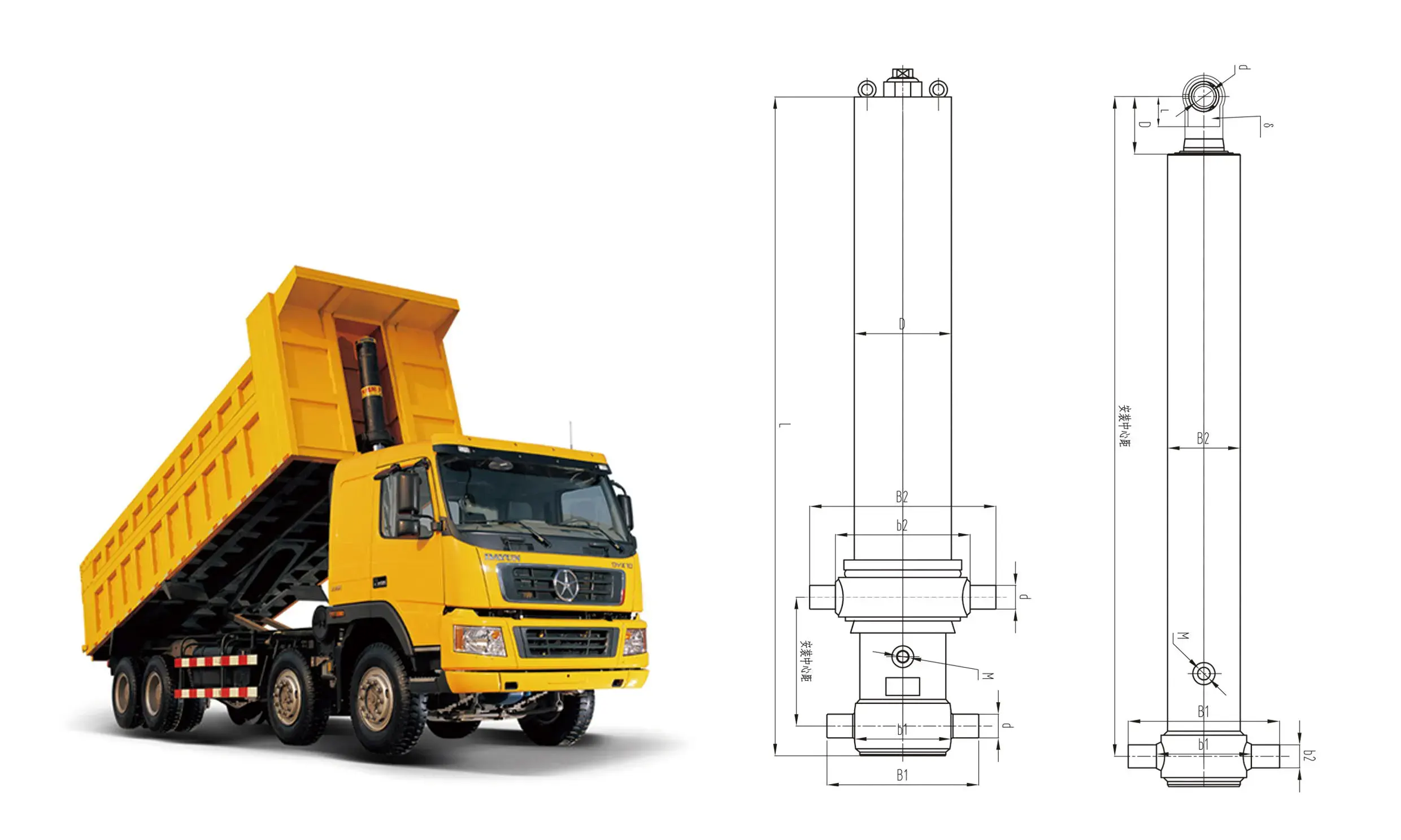
Um exzentrischen Verschleiß der Kolbenstange, Fressen der Dichtung und Flüssigkeitsverlust in ASRS-Gabelhebesystemen vollständig zu eliminieren, ist die Spezifikation einer speziell entwickelten „Verlängerten Führungsbuchsenarchitektur (Lange Buchsenkonfiguration)“ erforderlich. Diese Konstruktion beinhaltet drei wesentliche strukturelle und tribologische Verbesserungen:
1. Geometrie der verlängerten Führungshülse (LBuchse ≥ 2,0 × DStange)
Die innere axiale Länge der Führungshülse der Stopfbuchse (LBuchse) wird auf mindestens das Doppelte des Kolbenstangendurchmessers erweitert (DStangeDurch die Verlängerung der Führungshülse wird die effektive Lagerstützfläche um mehr als 100% vergrößert, wodurch die seitlichen Auslegerkräfte verteilt werden (FSeite) gleichmäßig und Reduzierung der maximalen Kantenkontaktspannung (PKontakt) deutlich unter 12 MPa.
2. Abstandsbehaftete, mit Bronze gefüllte PTFE-Lagerbänder (Doppelringanordnung)
Anstelle eines einzelnen schmalen Führungsrings beherbergt die verlängerte Buchse zwei weit auseinanderliegende, zentrifugal gegossene, mit Bronze gefüllte PTFE-Verschleißringe. Mit Bronze gefülltes PTFE bietet einen niedrigen Reibungskoeffizienten (μ ≤ 0,05) und eine hohe Druckfestigkeit (15 MPa), wodurch hohe Seitenbiegekräfte absorbiert und gleichzeitig ein direkter Metall-auf-Metall-Kontakt zwischen Stange und Stopfbuchsenwand verhindert wird.
- ▸
Doppelte Polyurethan-Staubabstreiferanordnung: Die äußere Dichtungsfläche ist mit einem aggressiven, metallummantelten Doppellippen-Abstreifring aus Polyurethan (TPU) ausgestattet. Die äußere Hauptlippe entfernt klebrige Papierfasern und Quarzstaub, während die innere Nebenlippe den Schmierölfilm zurückhält. - ▸
Primärdichtungen aus hochmoduligem Polyurethan in U-Form: Ausgestattet mit Andruckringen aus Nitril- (NBR) oder Fluorkautschuk-Elastomer (FKM). Der Andruckring gewährleistet einen gleichmäßigen Lippenkontaktdruck bei schnellen Übergängen mit niedrigem Druck. - ▸
Anti-Extrusionsringe aus reinem PEEK: Sie sind hinter dynamischen Dichtungen positioniert, um ein Herausdrücken der Dichtungssohle bei Druckstößen von 21,0 MPa zu verhindern.
Spezifizierung eines robusten geschweißter Hydraulik-Hubzylinder Die Konstruktion aus Q345D-Stahl, verlängerten Führungsbuchsen und Doppellippen-Staubabstreifern verhindert seitliches Fressen und garantiert eine lange Lebensdauer in automatisierten Logistikumgebungen.
Standardarbeitsanweisung für vorbeugende Wartung, Flüssigkeitshygiene und Diagnostik
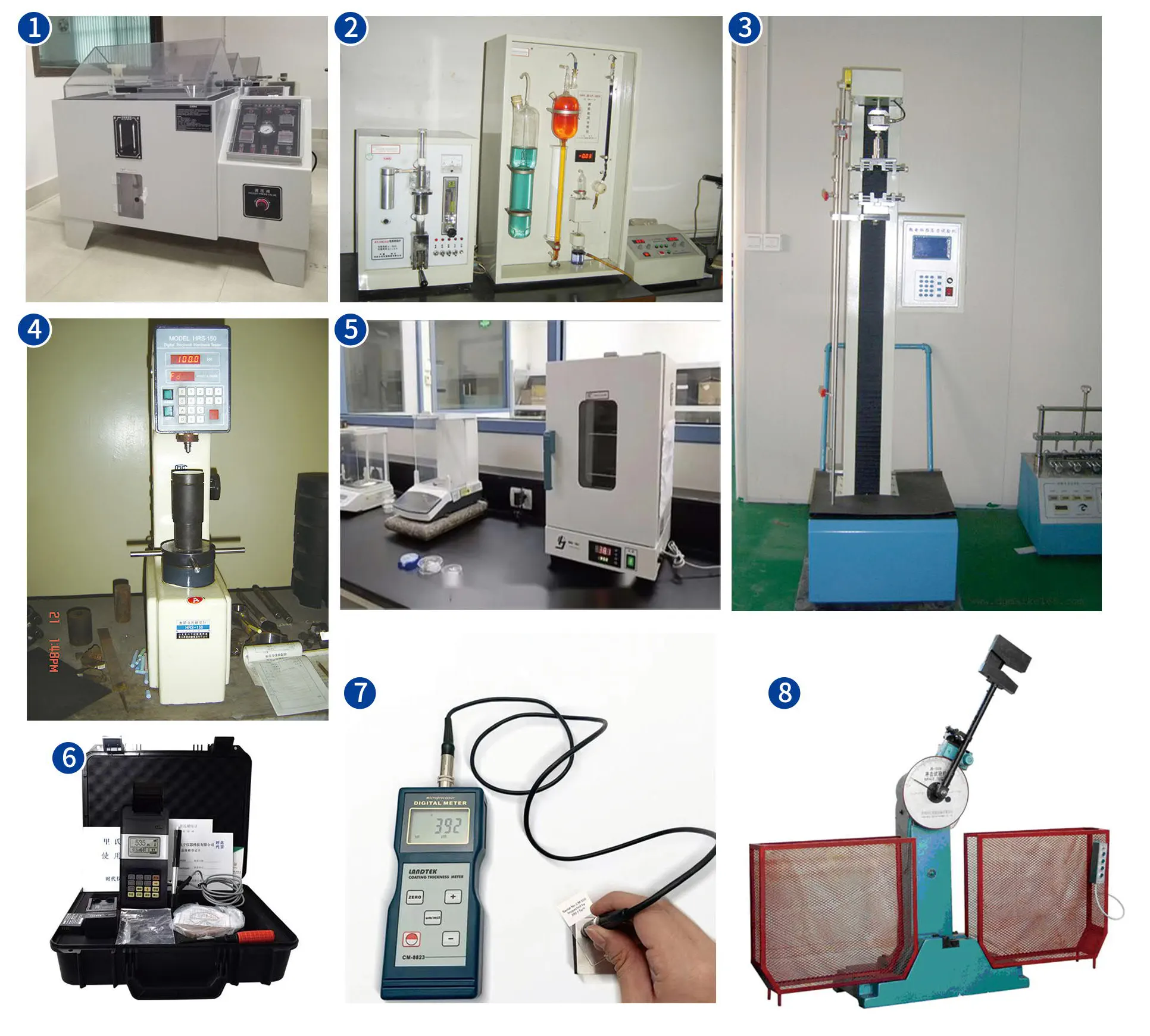
Um eine kontinuierliche Zuverlässigkeit rund um die Uhr zu gewährleisten und ungeplante Produktionsausfälle der ASRS-Anlagen zu verhindern, sollten die Instandhaltungsteams der automatisierten Lager strenge Hydraulikmanagement-Routinen durchsetzen.
ISO-Reinheitsziele und Kontrolle von Flüssigkeitskontaminationen
Hydraulikflüssigkeit in hochfrequenten ASRS-Shuttlesystemen muss gefiltert werden, um einen Reinheitsgrad von mindestens 16/14/11 gemäß ISO 4406 zu erreichen. Feiner, in die Hydraulikaggregate gelangender Papierstaub muss mittels 3-µm-Absolutfiltern in der Rücklaufleitung und Trockenmittel-Entlüftern abgefangen werden.
Schrittweise Standardarbeitsanweisung zur Diagnose von Pleuelstangenverschleiß und internem Bypass
Logistiktechniker können die Gabelstaplerzylinder von ASRS-Systemen während geplanter Wartungsfenster mithilfe dieser Diagnose-SOP überprüfen:
1. Ausrichtungs- und Spielprüfung der Messuhrstange
Den Gabelstaplerzylinder vollständig ausfahren und eine magnetische Messuhr an der verchromten Stangenoberfläche nahe der Überwurfmutter anbringen. Eine seitliche Prüfkraft von 500 N auf den Gabelträger ausüben. Ein Rundlauf der Messuhr von mehr als 0,20 mm deutet auf übermäßigen Verschleiß des Führungsbuchsenspiels hin, der einen Austausch der Buchse erforderlich macht.
2. Prüfung des internen Bypass-Druckabfalls der Kolbendichtung
Eine Testpalette auf volle Höhe anheben, die Sicherheitsstützen verriegeln und die Hydraulikrücklaufleitung am Stangenende trennen. Einen Haltedruck von 21,0 MPa auf die Kappenkammer ausüben. Ein kontinuierlicher Ölaustritt aus dem offenen Stangenanschluss deutet auf einen internen Kolbendichtungsbypass hin, der einen Austausch des Dichtungssatzes erforderlich macht.
Häufig gestellte Fragen: ASRS-Gabelstaplerzylinder-Konstruktion
Was verursacht exzentrischen Verschleiß und Fressen an den Kolbenstangen von Gabelstaplerzylindern in automatisierten Lagersystemen?
Exzentrischer Verschleiß und Fressen der Kolbenstangen in ASRS-Gabelstaplerzylindern entstehen durch die seitlichen Biegemomente, die beim Aufnehmen von außermittig platzierten Palettenlasten durch die angehobenen Gabeln auftreten. Bei Zylindern mit kurzen Führungsbuchsen erzeugen die seitlichen Kräfte hohe lokale Kontaktspannungen am Rand der Metallbuchse. Dies führt zum Aufbrechen des hydrodynamischen Ölfilms, was ungeschmierten Metall-auf-Metall-Kontakt, adhäsive Riefenbildung an der Chromstange und einen schnellen Verschleiß der Dichtung zur Folge hat.
Wie kann durch eine verlängerte Führungsbuchsenkonstruktion das Fressen durch Seitenlasten in Palettenhubantrieben verhindert werden?
Eine verlängerte Führungsbuchsenkonstruktion vergrößert die Länge der inneren Lagerhülse auf LBuchse ≥ 2,0 × DStangeDadurch verdoppelt sich die Lagerstützfläche. Diese gleichmäßige Lastverteilung verringert die maximale Kontaktspannung (PKontakt < 12 MPa). In Kombination mit beabstandeten, mit Bronze gefüllten PTFE-Verschleißringen absorbiert die verlängerte Buchse seitliche Lasten ohne Metall-auf-Metall-Kontakt, wodurch die Chrombeschichtung der Stange und die Dichtheit der Stopfbuchse erhalten bleiben.
Warum wird für ASRS-Palettenliftzylinder der niedriglegierte Stahl Q345D dem Standard-Kohlenstoffstahl vorgezogen?
Der niedriglegierte Stahl Q345D bietet eine Streckgrenze von über 345 MPa und eine garantierte Charpy-V-Kerbschlagzähigkeit von Av ≥ 34 Joule bei -20 °C. Die hohe Streckgrenze verhindert eine elastische Zylinderausdehnung („Atmen“) unter hochfrequenten Druckstößen von 21,0 MPa und gewährleistet so stabile Dichtungsspalte und eine ausgezeichnete Dauerfestigkeit bei kontinuierlichem 24/7-Lagerbetrieb, einschließlich Tiefkühllagern.
Wie schützen metallgekapselte Doppelwischer Hubzylinder in staubigen Lagerhallen und Logistikzentren?
Die doppellippigen TPU-Abstreifringe mit Metallgehäuse bestehen aus einem robusten Stahlkäfig mit einer scharfen Polyurethan-Außenlippe. Diese entfernt feine, in der Luft befindliche Kartonfasern, Verpackungsstaub und Quarzsand, bevor die Partikel die Dichtungsmasse erreichen. Eine zweite Innenlippe hält den Schmierölfilm aufrecht, verhindert so den Verschleiß der Dichtung durch Trockenreibung und das Eindringen von abrasiven Partikeln in das Hydrauliköl.
Strategische Beschaffung und Gesamtbetriebskosten
Für OEMs von Logistikautomatisierungssystemen, Systemintegratoren von ASRS-Anlagen und Lagerbetreiber führt ein unerwarteter Ausfall des Hubzylinders an einem automatisierten Regalbediengerät oder einer Shuttle-Anlage zu katastrophalen Durchsatzengpässen, Notfallwartungsstillständen und hohen Ausfallkosten. Die Verwendung kostengünstiger Standardzylinder mit kurzen Führungsbuchsen oder Standard-Kohlenstoffstahlrohren führt zu wiederholtem Kolbenstangenverschleiß, Ölleckagen und erhöhten Gesamtbetriebskosten.
Die Beschaffungsteams können technische Optionen bewerten über Optionen für Hydraulikzylinder in der Lagerautomatisierung zur Überprüfung der Wärmebehandlung des Materials, der Wandstärkenabmessungen und der Spezifikationen der Führungsbuchsen. Ausstattung automatisierter Lagersysteme mit hochbelastbaren Produkte der Kategorie Hydraulikzylinder Die Konstruktion aus Q345D-Stahl, verlängerten Führungsbuchsen und induktionsgehärteten Chromstangen garantiert langfristige Betriebssicherheit und niedrigere Betriebskosten bei Logistikabwicklungszyklen rund um die Uhr.
Rüsten Sie Ihre automatisierte Lagerflotte mit verschleißfester Leistung auf
Eliminieren Sie exzentrischen Verschleiß an der Kolbenstange, verhindern Sie Fressen durch Seitenlast und gewährleisten Sie einen reibungslosen Palettenhub im kontinuierlichen 24/7-Betrieb von automatisierten Lagersystemen. Entdecken Sie unsere komplette Serie doppeltwirkender Q345D-Gabelstaplerzylinder mit verlängerter Buchse, die speziell für automatisierte Lagersysteme entwickelt wurden.