Cold-Chain Logistics & Agricultural Series · Monograph XVI
Cilindros de elevação da porta traseira para caminhões refrigerados
Cold-chain logistics vehicles—including agricultural produce refrigerated transport trucks, seafood delivery vehicles, and meat distribution haulers—rely on hydraulic tailgate liftgate systems for rapid loading and unloading operations. Operating in outdoor environments exposed to severe humidity, road de-icing salts, frequent high-pressure chemical washdowns, and corrosive agricultural residues, these hydraulic actuators face intense corrosion risks. This 2500+ word technical guide analyzes the structural mechanics, tribology, and anti-corrosion engineering of double-acting welded multi-stage tailgate lift cylinders. We evaluate cantilever liftgate kinematics, 42CrMo alloy steel metallurgy, the root causes of piston rod pitting corrosion and gland seal leakage, heavy micro-cracked hard chrome plating, protective bellows, and high-performance sealing systems engineered for long service life in harsh salt spray environments.
Heavy Chrome Plating
Salt Spray Protection
Engineering Specifications Matrix for Refrigerated Truck Tailgate Cylinders
The following engineering parameters establish the structural, metallurgical, sealing, and surface protection benchmarks required for double-acting multi-stage telescopic tailgate main lift cylinders operating on cold-chain transport vehicles.
| Engineering Parameter | Refrigerated Truck Tailgate Specification Standard |
|---|---|
| Equipment Category & Application | Cold-Chain Logistics & Agricultural Machinery / Refrigerated Transport Vehicles |
| Subsystem Motion Profile | Hydraulic Tailgate Liftgate System / Linear Extension & Tilt Elevation Circuit |
| Hydraulic Cylinder Name | Tailgate Main Lift Cylinder (Double-Acting Telescopic / Piston Type) |
| Action Mode & Structural Type | Double-Acting Multi-Stage Telescopic / Compact Retracted Pin Distance |
| Manufacturing Construction | Full-Penetration Robotic Welded Base & Clevis Housings (AWS D1.1 Compliant) |
| Material System Metallurgy | 42CrMo High-Strength Alloy Steel (Quenched & Tempered Seamless Tubes) |
| Surface Finish & Case Depth | Heavy Micro-Cracked Hard Chrome Plating (40–50 μm) / HRC 58–62 Case Hardening |
| Environmental Rating Class | Outdoor Ambient Exposure + High Humidity + De-Icing Salt Spray + Chemical Washdowns |
| Working Conditions Profile | Lifting & Lowering Heavy Palletized Cargo (1.5 to 3.5 Tons) + Eccentric Bending |
| Primary Failure Mitigated | Piston Rod Micro-Pitting Corrosion, Chrome Flaking, & Gland Oil Leakage |
| Recommended Engineering Keypoints | 40+ μm Heavy Chrome Plating + Neoprene Bellows Guard + FKM Anti-Corrosion Seals |
| Nominal Operating Pressure | 16.0 MPa to 22.0 MPa (160 – 220 Bar) Working Relief Pressure Setting |
Refrigerated Truck Tailgate Kinematics and Multi-Stage Actuation
Refrigerated transport vehicles form the backbone of modern cold-chain logistics, delivering fresh agricultural produce, meat, dairy, and frozen pharmaceuticals from processing centers to urban distribution hubs. To maintain strict internal box temperatures, these vehicles utilize insulated rear doors paired with hydraulic cantilever or tuckaway tailgate liftgates. The tailgate platform acts as an elevating bridge, raising palletized cargo weighing up to 3,500 kg from ground level to the truck bed deck height.
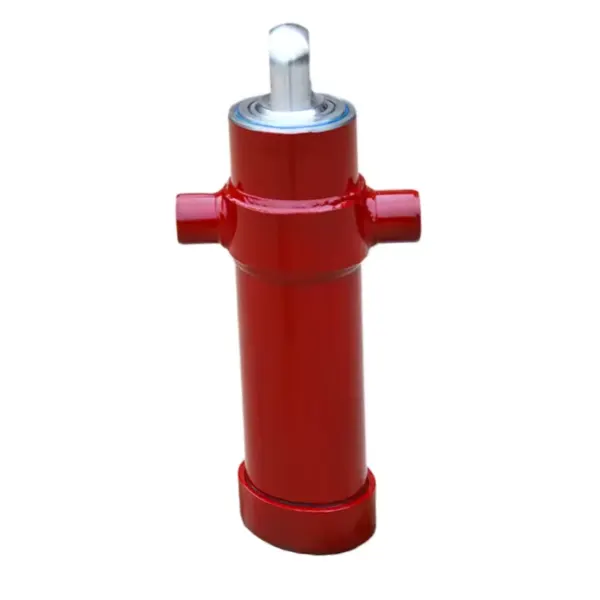
The vertical lifting and tilting motions of the tailgate platform are powered by specialized cilindros de elevação hidráulica. Mounted underneath the rear chassis frame, these main lift cylinders work alongside secondary tilt cylinders to maintain platform leveling during elevation cycles.
Multi-Stage Telescopic Design in Tight Chassis Envelopes
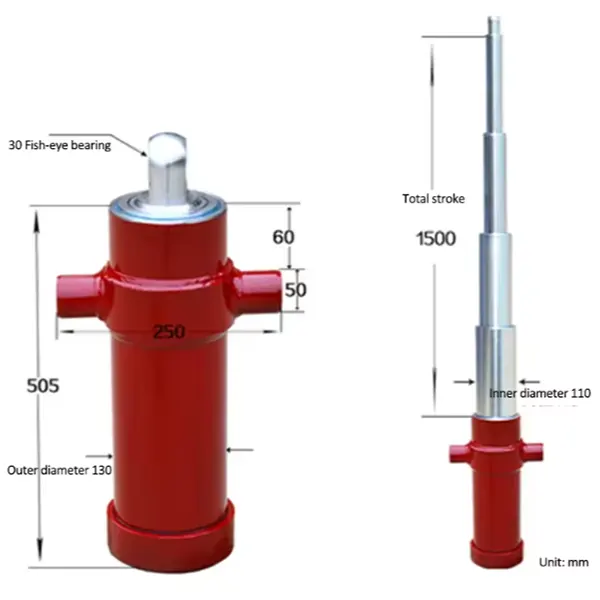
Refrigerated truck chassis feature limited under-frame clearance due to the placement of refrigeration compressors, battery packs, diesel fuel tanks, and rear underrun protection bars. Standard single-stage hydraulic cylinders cannot provide the required vertical lift stroke (1,200 mm to 1,600 mm) without extending beyond chassis ground clearance limits.
Multi-stage double-acting telescopic cylinders resolve this space constraint by nesting concentric tubular stage sleeves within a single main outer barrel. When hydraulic fluid enters the cap chamber, the stages extend sequentially to elevate the tailgate platform. Double-acting operation ensures positive hydraulic power during both lifting and forced lowering, allowing smooth platform movement even in sub-zero winter temperatures when cold hydraulic oil increases viscous drag.
Cantilever Lifting Torque and Pressure Equations
When a forklift or pallet jack drives onto the extended tailgate platform, the payload weight vector acts at a moment arm distance Lcargo from the main lift linkage pivot pins. The hydraulic thrust force Flift required from the main tailgate cylinder pair is defined as:
Where Wplatform and Wcargo are platform and cargo weights, Llinkage is the mechanical pivot distance, and α is the effective cylinder lift angle. Because the platform acts as an extended cantilever beam, off-center loading introduces severe side-bending moments across the extending stage sleeves, requiring high structural rigidity.
Root Cause Failure Analysis: Rod Pitting Corrosion and Oil Leakage
Refrigerated truck tailgate lift cylinders operate directly in the vehicle’s rear wheel tire-spray zone. Positioned beneath the rear bumper, the exposed piston rods and extending stage sleeves are continually blasted by road debris, wet mud, de-icing salts, and chemical washdown fluids. Field survey data indicates that Piston Rod Micro-Pitting Corrosion e Gland Seal Leakage account for over 70% of premature tailgate cylinder failures in cold-chain fleets.
Microscopic Pitting Mechanics Under Salt Spray and De-Icing Salts
During winter operations, highway maintenance crews spread calcium chloride (CaCl2) and sodium chloride (NaCl) de-icing salts. When a refrigerated truck travels at highway speeds, fine mist containing dissolved chloride ions (Cl–) deposits onto the exposed hard chrome plating of the extended cylinder stage sleeves.
Chloride ions penetrate microscopic cracks in standard electroplated hard chrome layers (which often feature crack densities below 200 cracks/cm). Once chloride ions reach the underlying steel substrate, an electrochemical galvanic corrosion cell initiates:
As iron dissolves under the chromium layer, localized iron oxide (rust) expands beneath the plating. This volume expansion causes the hard chrome layer to blister and flake off, creating microscopic sharp-edged pit craters (0.05 mm to 0.30 mm deep) across the piston rod sliding surface.
Destructive Cascade of Seal Shredding and Fluid Spillage
When the pitted stage sleeve retracts into the cylinder head gland, the sharp steel edges of the corrosion pits act like micro-planing blades against the primary polyurethane rod seal and wiper lips. This mechanical scraping shreds the soft elastomeric seal lips within hundreds of stroke cycles.
Once the sealing lips are damaged, pressurized hydraulic fluid sprays past the gland seal, coating the tailgate mechanism and leaking onto loading docks. Furthermore, food safety regulations prohibit hydraulic oil drips near agricultural produce and meat transport areas, leading to immediate vehicle grounding during health inspections.
1. Chloride Galvanic Pitting
De-icing salts and washdown chemicals penetrate micro-cracks in standard chrome plating, creating galvanic corrosion cells that pit the underlying steel substrate.
2. Chrome Plating Flaking
Sub-surface rust expansion forces the hard chrome shell to blister and flake off, leaving sharp-edged craters along the sliding rod surface.
3. Seal Lip Shredding & Leakage
Pitted rod craters slice through polyurethane seal lips during retraction, causing fluid leaks and food-safety compliance violations.
Structural Metallurgy: 42CrMo High-Strength Alloy Steel System
Tailgate lift cylinders must resist severe cantilever side-bending moments caused by off-center pallet loading. Standard commercial carbon steels (such as AISI 1045 or ST52-3) offer yield strengths around 350 to 450 MPa, making them vulnerable to permanent rod bending when heavy cargo is loaded onto one side of the platform.
Refrigerated truck tailgate lift cylinders deploy “42CrMo alloy steel” (conforming to GB/T 3077, equivalent to AISI 4140 / 42CrMo4) for all tubular stage sleeves, base housings, and clevis mounts.
Quenching & Tempering Heat Treatment Kinetics
Seamless 42CrMo stage tubes undergo full Quenching and Tempering (Q&T). Tubes are heated to 850°C – 880°C for complete austenitization, polymer-quenched to achieve a fully martensitic grain structure, and tempered at 560°C – 620°C to produce tempered martensite.
This heat treatment raises the core yield strength (σ0.2) to over 850 MPa and ultimate tensile strength (σb) to over 1000 MPa, with Charpy V-notch impact toughness exceeding 45 J at -20°C. High yield strength enables 42CrMo stage sleeves to flex elastically under off-center pallet loads and return to perfect straightness without undergoing permanent deformation.
Mechanical Property Comparison
| Steel Material Grade | Yield Strength (σ0.2) | Tensile Strength (σb) | Charpy Impact Energy (-20°C) |
|---|---|---|---|
| AISI 1045 (Medium Carbon) | ≥ 355 MPa | ≥ 600 MPa | ≤ 20 J |
| ST52-3 / E355 (DOM Tubing) | ≥ 355 MPa | ≥ 520 MPa | ≥ 27 J |
| 42CrMo Alloy Steel (Q&T) | ≥ 850 MPa | ≥ 1000 MPa | ≥ 45 J |
Recommended Configuration: Heavy Chrome Plating, Protective Bellows, and High-Grade Seals
Eliminating piston rod micro-pitting corrosion and oil leaks on refrigerated truck tailgate cylinders requires an engineered “Anti-Corrosion Configuration Package” comprising three integrated protective barriers: “Heavy Micro-Cracked Hard Chrome Plating”, “Flexible Protective Bellows Covers”, and “Fluorocarbon (FKM) Anti-Corrosion Sealing Arrays”.
1. Heavy Micro-Cracked Hard Chrome Plating (40-50 μm)
Standard commercial cylinders utilize thin chrome plating (15 to 20 μm) with low crack density, allowing chloride ions to reach the steel base. High-performance tailgate cylinders specify heavy hard chrome electroplating with a layer thickness of “40 μm to 50 μm”.
The plating process is managed to maintain a controlled micro-cracked density (400 to 600 cracks/cm). Micro-cracks relieve internal plating stress and prevent continuous crack channels from reaching the substrate steel. Plated stage sleeves undergo “120-hour Neutral Salt Spray (NSS) testing per ISO 9227” (achieving Rating 10 zero-corrosion performance), protecting against road de-icing salts.
2. Protective Neoprene / Thermoplastic Bellows Boots
To shield extending stage sleeves from direct tire spray, flying gravel, and road slush, the cylinder is fitted with a heavy-duty, concertina-folded Neoprene or Thermoplastic Polyurethane (TPU) protective bellows boot. The flexible bellows expands and contracts in sync with cylinder stroke, isolating stage surfaces from salt water and road grit.
3. High-Grade Anti-Corrosion Sealing Architecture
Every stage junction gland incorporates an advanced sealing package designed for cold-chain washdown environments:
- ▸
Fluorocarbon (FKM / Viton) Primary U-Cup Seals: FKM elastomer exhibits superior chemical resistance against acidic washdown detergents, organic fruit juices, and animal fats, maintaining lip elasticity down to -30°C. - ▸
PEEK Anti-Extrusion Back-Up Rings: Installed behind primary seals to bridge clearance gaps under pressure spikes up to 22.0 MPa, preventing seal heel extrusion nibbling. - ▸
Stainless Steel Cased Dual-Lip Scraper: Positioned at the outermost gland face. The 316 stainless steel casing resists rust, while an aggressive wiper lip scrapes away road salt crust and ice before stage sleeves retract into parent tubes.
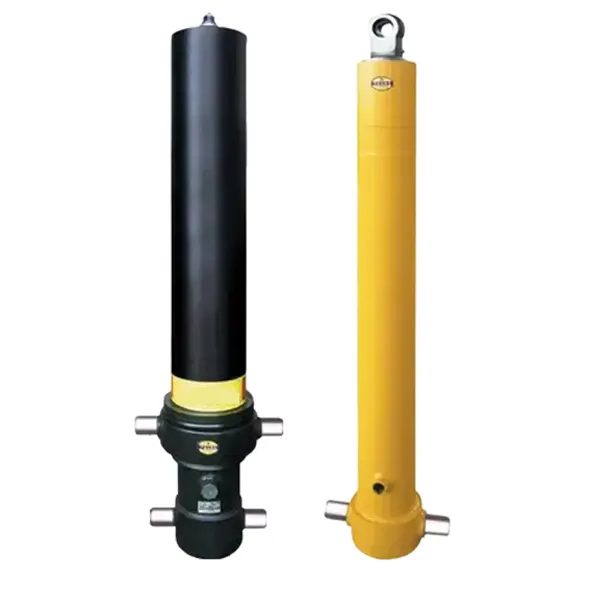
Specifying a robust telescopic hydraulic lift cylinder for dump trucks and transport vehicles engineered with thick chrome plating, protective bellows, and FKM seals eliminates rod pitting and oil leaks in cold-chain logistics applications.
Preventive Maintenance, Salt Spray Testing, and Diagnostic SOP
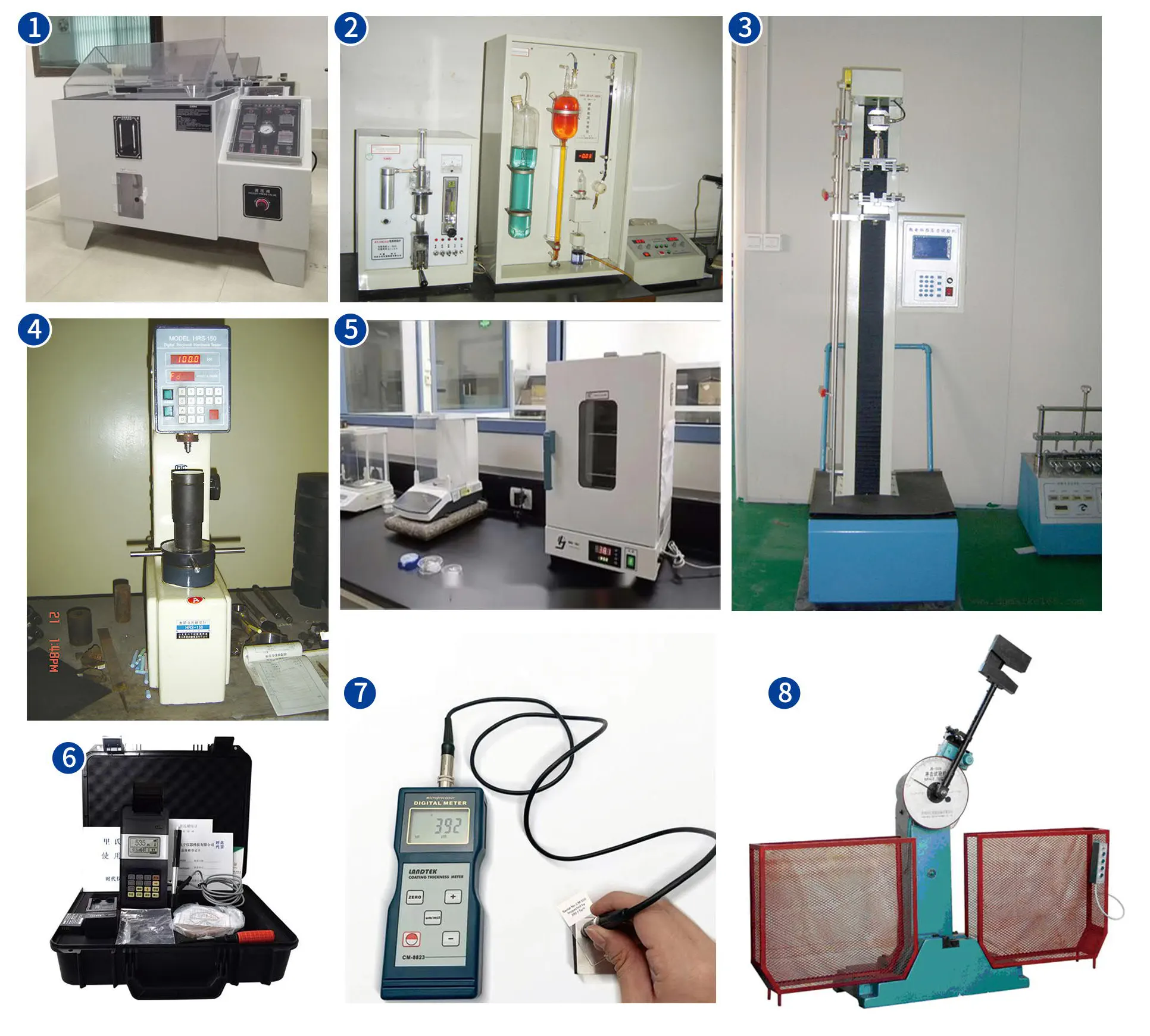
To maintain food-safety compliance and prevent unexpected tailgate failures during delivery routes, refrigerated truck maintenance staff should enforce regular hydraulic inspection procedures.
ISO Cleanliness Target and Salt Washdown Guidelines
Hydraulic oil in tailgate lift systems should be maintained to an ISO 4406 cleanliness code of 17/15/12 or cleaner. Following winter operations on salted highways, technicians should wash rear under-chassis cylinder assemblies with fresh warm water to dissolve accumulated salt crusts before storing vehicles.
Step-by-Step Rod Pitting & Seal Diagnostic SOP
Technicians can inspect tailgate lift cylinders during routine vehicle servicing using this diagnostic routine:
1. Visual Rod Surface & Bellows Inspection
Unclamp the protective bellows boot and fully extend the cylinder. Inspect hard-chrome stage surfaces for brown corrosion specks, flaking chrome, or deep vertical scratches. Any visible pitting crater deeper than 0.05 mm indicates imminent seal failure requiring rod re-plating or cylinder replacement.
2. Gland Pressure Containment Test
Clean oil from all stage gland faces. Elevate a rated pallet load to mid-stroke position and hold for 10 minutes under working hydraulic pressure. If oil weeping occurs at a specific stage gland face, the internal FKM seal lip or PEEK back-up ring is damaged and requires replacement.
Frequently Asked Questions: Tailgate Lift Cylinder Engineering
What causes piston rod pitting corrosion on refrigerated truck tailgate lift cylinders?
Piston rod pitting corrosion on refrigerated truck tailgate cylinders is caused by chloride ions from road de-icing salts, high atmospheric humidity, and chemical washdown fluids penetrating microscopic cracks in standard hard chrome plating. Chloride ions reach the underlying steel substrate, forming galvanic corrosion cells that dissolve iron beneath the plating. Sub-surface rust expansion causes the hard chrome layer to blister and flake off, creating sharp-edged pitting craters that shred gland seals.
How does 40+ μm thick hard chrome plating prevent salt spray corrosion in cold-chain logistics?
Specifying a thick 40 μm to 50 μm micro-cracked hard chrome layer creates a dense barrier over the 42CrMo steel substrate. Controlled micro-crack density (400–600 cracks/cm) relieves internal plating stress and prevents continuous crack paths from reaching the base metal. Plated stage sleeves pass 120-hour Neutral Salt Spray (NSS) testing per ISO 9227 (Rating 10 performance), preventing chloride penetration and pitting corrosion during winter operation.
Why are protective bellows boots essential for refrigerated truck tailgate cylinders?
Flexible Neoprene or TPU protective bellows boots encase extending stage sleeves, creating a physical shield against direct rear-wheel tire spray, salt slush, flying gravel, and organic agricultural slurry. Isolating stage sliding surfaces from road abrasives prevents surface pitting and protects gland scraper seals from premature abrasive wear, extending cylinder service life by over 300%.
Why is 42CrMo alloy steel superior to standard carbon steel for tailgate lift cylinders?
42CrMo alloy steel provides a yield strength exceeding 850 MPa following quenching and tempering—more than double the yield strength of standard AISI 1045 or ST52 carbon steel. This high yield strength enables extended multi-stage cylinder sleeves to flex elastically under cantilever side loads caused by off-center pallet loading on tailgate platforms and return to perfect straightness without permanent bending or binding.
Strategic Procurement and Total Cost of Ownership
For cold-chain logistics providers, refrigerated truck bodybuilders, and food transport fleet managers, unexpected tailgate cylinder failures cause delivery delays, food safety violations, and costly hydraulic oil cleanups. Sourcing low-cost replacement cylinders manufactured with thin chrome plating or standard polyurethane seals often leads to repeat rod pitting, oil leaks, and elevated total operating costs over time.
Equipment procurement teams can evaluate technical options across commercial vehicle hydraulic cylinder technical options to verify material certifications, chrome plating thickness ratings, and salt spray test reports. Equipping refrigerated transport fleets with heavy-duty hydraulic lift cylinder category products engineered with 42CrMo alloy steel, 40+ μm chrome plating, protective bellows, and FKM seals ensures long-term operational reliability and lower total operating costs across cold-chain delivery routes.
Upgrade Your Cold-Chain Fleet with Corrosion-Proof Reliability
Eliminate piston rod micro-pitting corrosion, prevent hydraulic oil leaks in salt spray environments, and maintain reliable tailgate platform elevation. Explore our complete series of double-acting, 42CrMo multi-stage tailgate lift cylinders engineered for refrigerated transport vehicles.