Seri Teknik Peralatan Pertambangan · Monograf XIII
Silinder Pengangkat Teleskopik untuk Truk Pengangkut Tambang
Truk pengangkut bijih tambang off-highway beroperasi di lingkungan tambang terbuka yang keras di mana muatan bijih berat, debu kuarsa di udara yang parah, dan lonjakan tekanan dinamis yang tinggi menantang keandalan tenaga fluida. Panduan teknik setebal 2500+ kata ini memberikan analisis menyeluruh tentang silinder pengangkat teleskopik multi-tahap kerja tunggal yang digunakan pada kendaraan pengangkut bijih tambang berat. Kami memeriksa kinematika penumpahan bijih berat, metalurgi baja paduan rendah Q345D, akar penyebab pecahnya dan ekstrusi segel antar-tahap, mekanika barel berdinding tebal, dan sistem penyegelan tahan aus multi-tahap canggih yang dirancang untuk mencegah kegagalan fluida yang fatal.
Segel Aus Bertahap
Pencegahan Robekan Segel
Matriks Spesifikasi Teknik untuk Silinder Pengangkat Truk Pertambangan
Parameter rekayasa berikut menetapkan tolok ukur struktural, material, penyegelan, dan operasional yang dibutuhkan untuk silinder pengangkat teleskopik multi-tahap kerja tunggal tugas berat yang digunakan pada truk pengangkut tambang di luar jalan raya.
| Parameter Teknik | Spesifikasi Standar Truk Dump Tambang |
|---|---|
| Kategori dan Aplikasi Peralatan | Mesin Pertambangan / Truk Dump Angkut Pertambangan Off-Highway |
| Profil Gerakan Subsistem | Sistem Pengangkat dan Pemiringan Bodi Belakang / Ekstensi Multi-Tahap Aksi Tunggal |
| Nama Silinder Hidrolik | Silinder Pengangkat Teleskopik Multi-Tahap (Selongsong 3 hingga 5 Tahap) |
| Modus Aksi & Tipe Struktur | Aksi Tunggal (Ekstensi Panggung Hidraulik / Retraksi Badan Pembuangan Gravitasi) |
| Konstruksi Manufaktur | Dudukan Dasar & Trunnion yang Dilas dengan Penetrasi Penuh (Terverifikasi AWS D1.1) |
| Sistem Material Metalurgi | Baja Struktural Paduan Rendah Kekuatan Tinggi Q345D (GB/T 1591) |
| Penyelesaian Permukaan & Pelapisan | Pelapisan Krom Keras dengan Retakan Mikro Berat (30–40 μm) / Kasus 58-62 HRC |
| Kelas Peringkat Lingkungan | Debu Kuarsa Padat di Udara + Benturan Berat + Lumpur Lubang yang Korosif |
| Profil Kondisi Kerja | Penumpukan Bijih Berat (Besi, Tembaga, Emas) + Lonjakan Tekanan > 35 MPa |
| Kegagalan Utama Dimitigasi | Kerusakan Segel Antar Tahap, Kerusakan Akibat Ekstrusi, & Kebocoran Bypass Cairan |
| Konfigurasi Penyegelan yang Direkomendasikan | Kemasan Vee Kain Multi-Bibir / Cincin Anti-Ekstrusi PEEK + Pengikis Ganda |
| Peringkat Tekanan Nominal | Pengaturan Pelepas Tekanan Kerja Kontinu 21,0 MPa hingga 27,5 MPa (210 – 275 Bar) |
Kinematika Pembongkaran Bijih Berat dan Dorongan Hidraulik Multi-Tahap
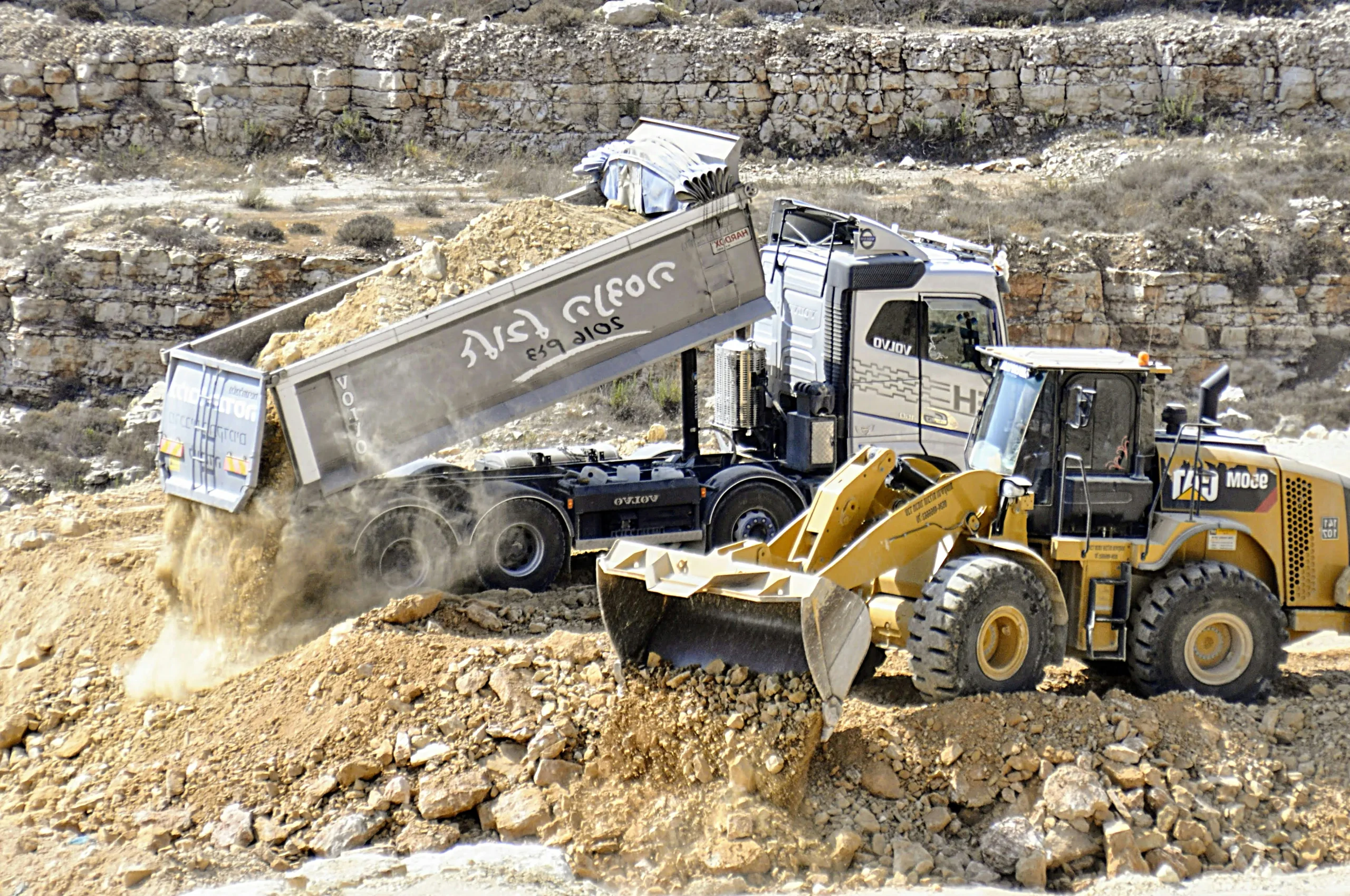
Dalam operasi penambangan terbuka, truk pengangkut off-highway mengangkut muatan besar berupa bijih besi padat, batuan tembaga, lapisan tanah penutup, dan granit. Kapasitas muatan kendaraan ini biasanya berkisar antara 50 hingga lebih dari 300 metrik ton. Mengangkat bak pengangkut baja yang terisi penuh ke sudut pembuangan 48 hingga 55 derajat membutuhkan energi hidrolik yang sangat besar. Untuk memberikan panjang langkah yang diperlukan sambil mempertahankan selubung tertutup yang kompak di bawah bak pengangkut, para insinyur menggunakan sistem hidrolik multi-tahap kerja tunggal. silinder pengangkat hidrolik.
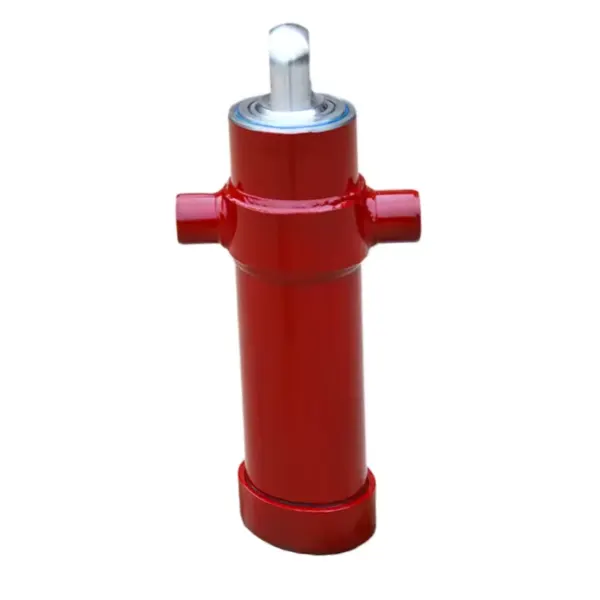
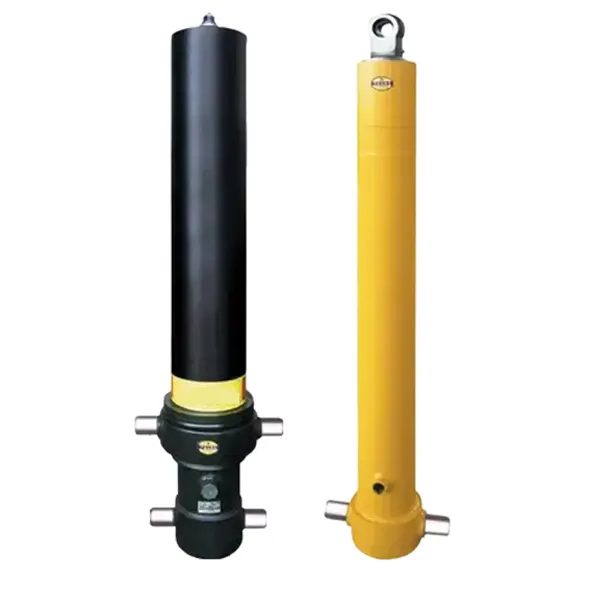
Silinder teleskopik terdiri dari selongsong tubular bertingkat yang memanjang secara berurutan di bawah tekanan oli. Ketika cairan hidrolik dari pompa pengangkat utama memasuki dasar silinder, cairan tersebut bekerja pada luas penampang semua tingkatan. Karena selongsong terbesar (Tingkatan 1) memiliki luas permukaan terbesar, ia menghasilkan gaya dorong tertinggi dan memanjang terlebih dahulu. Setelah Tingkatan 1 mencapai cincin penghenti mekanis internalnya, Tingkatan 2 memanjang, diikuti oleh Tingkatan 3, Tingkatan 4, dan Tingkatan 5 sesuai urutan diameter selongsong yang semakin mengecil.
Profil Gaya Dorong Matematis di Seluruh Tahap Teleskopik
Gaya dorong hidrolik Fdorongan(i) Aliran yang diberikan selama perpanjangan selongsong tahap i diatur oleh luas permukaan hidraulik efektif dari tahap spesifik tersebut:
Di mana Phidran mewakili tekanan saluran sirkuit hidrolik dan Dtahap (i) adalah diameter luar efektif dari selongsong tahap i. Karena luas permukaan efektif berkurang dengan setiap tahap perpanjangan, gaya dorong berkurang secara bertahap saat silinder memanjang. Pengurangan gaya ini selaras dengan kinematika kemiringan: saat bak penampung berputar ke atas pada pin engsel belakangnya, lengan momen gravitasi muatan bijih berkurang, dan material mulai meluncur keluar dari pintu belakang, mengurangi gaya elevasi yang dibutuhkan.
Guncangan Pelepasan Dinamis dan Lonjakan Tekanan Hidrostatik
Fase paling kritis dari penimbunan bijih terjadi selama pelepasan awal badan penimbun. Ketika tanah liat basah, bijih besi halus, atau lapisan tanah beku menempel di bagian depan badan penimbun, pusat gravitasi muatan bergeser ke depan. Ketika operator mengaktifkan tuas pengangkat, tekanan hidrolik meningkat dengan cepat untuk mengatasi gesekan statis dari material yang menempel.
Ketika bijih yang tersangkut tiba-tiba terlepas dan meluncur mundur ke arah pintu belakang, hilangnya berat di bagian depan menciptakan pergeseran momentum yang cepat. Pantulan beban dinamis ini mentransmisikan lonjakan tekanan yang intens (P).paku > 35,0 MPa) melalui kolom oli hidrolik, yang menyebabkan kelenjar segel antar tahap mengalami guncangan mekanis yang parah.
Analisis Akar Penyebab Kegagalan: Pecahnya Segel Antar Tahap dan Ekstrusi
Dalam operasi penambangan terbuka, silinder teleskopik multi-tahap menghadapi kondisi operasi yang ekstrem. Di antara semua mode kegagalan, Pecahnya Segel Antar Tahap dan Penggerogotan Ekstrusi merupakan penyebab utama dari waktu henti yang tidak direncanakan dan tumpahan oli hidrolik.
Pecahnya segel terjadi ketika elemen penyegel elastomer atau poliuretan utama pada sambungan antar tahap mengalami robekan mekanis, patahan bibir, atau pecah total akibat lonjakan tekanan hidrolik yang tinggi. Memahami mekanisme pecahnya segel memerlukan pemeriksaan ekspansi celah radial, lonjakan tekanan, dan masuknya partikel abrasif.
Mekanika Ekspansi Celah dan Ekstrusi Akibat Tekanan
Tahapan silinder teleskopik terdiri dari selongsong tubular berdinding tipis yang tersusun di dalam satu sama lain. Ketika terjadi lonjakan tekanan hidrolik tinggi selama penimbunan bijih berat, selongsong tahapan induk terluar mengembang secara radial seperti bejana tekan berdinding tipis. Ekspansi radial elastis (Δr)barel) dari dinding selongsong dinyatakan sebagai:
Di mana Rdi dalam adalah jari-jari dalam selongsong panggung, E adalah modulus elastisitas baja (206 GPa), dan tdinding adalah ketebalan dinding selongsong. Saat selongsong luar mengembang secara radial di bawah tekanan, celah ekstrusi (ecelah) di belakang segel kelenjar melebar secara signifikan.
Di bawah tekanan hidrolik tinggi, material segel poliuretan atau nitril yang lunak dipaksa masuk ke dalam celah yang melebar ini. Ketika selongsong tahap menarik kembali, tepi logam yang tajam dari gland memotong fragmen kecil dari tumit segel yang diekstrusi—proses destruktif yang dikenal sebagai "pengikisan ekstrusi". Selama siklus pembuangan yang berulang, pengikisan ini menghancurkan tumit struktural segel, menyebabkan pecahnya segel dan semburan cairan yang dahsyat.
Masuknya Debu Kuarsa dan Degradasi Polimer Termal
Debu penambangan terbuka mengandung partikel kuarsa halus dengan kekerasan Mohs 7 (lebih keras daripada baja standar). Ketika truk tambang membuang bijih, awan debu kuarsa yang terbawa udara akan menempel pada permukaan panggung yang diperpanjang dan dibasahi oli. Selama retraksi aksi tunggal, jika segel pengikis eksternal aus, partikel kuarsa ini akan masuk ke dalam kelenjar segel utama.
Partikel silika yang terperangkap tertanam di bibir segel elastomer lunak, bertindak sebagai alat gerinda yang menggores mikro-goresan aksial yang dalam ke lapisan krom keras yang dipoles pada selongsong bagian dalam. Lebih lanjut, lonjakan tekanan frekuensi tinggi dan siklus kerja terus-menerus menghasilkan panas gesekan fluida lokal, meningkatkan suhu kelenjar segel di atas 90°C. Tekanan termal ini menyebabkan segel poliuretan standar mengeras, kehilangan elastisitas, dan retak di bawah tekanan, mempercepat kerusakan segel.
1. Degradasi Tumit Ekstrusi
Lonjakan tekanan tinggi memaksa tumit segel masuk ke celah yang melebar di antara tahapan, mengikis material hingga bibir segel kehilangan penopang struktural dan robek di bawah beban.
2. Pemotongan Abrasif Silika
Debu kuarsa yang tertanam di bibir segel menggores lapisan krom keras pada bagian yang memanjang, menciptakan saluran kebocoran yang memungkinkan oli bertekanan tinggi melewati paket segel selama proses pemiringan.
3. Pengerasan Termal & Pecah
Suhu oli yang tinggi memanggang segel elastomer standar, menyebabkan kerapuhan. Bibir segel yang rapuh akan retak ketika terkena lonjakan tekanan dinamis selama penimbunan bijih berat.
Konfigurasi yang Direkomendasikan: Paket Penyegelan Tahan Aus Multi-Tahap
Mesin industri silinder hidrolik besar logam

Silinder hidrolik dan sistem hidrolik pada traktor atau buldoser. Fokus pada pipa hidrolik.
Mencegah pecahnya segel antar tahap, kerusakan akibat ekstrusi, dan tumpahan oli eksternal dalam aplikasi pertambangan membutuhkan "Sistem Penyegelan Tahan Aus Multi-Tahap" yang dirancang khusus. Silinder teleskopik pertambangan modern meninggalkan segel poliuretan bibir tunggal dasar dan beralih ke arsitektur penyegelan multi-komponen tugas berat di setiap sambungan tahap.
Set Kemasan Vee Multi-Bibir yang Diperkuat Kain

Penghalang tekanan utama pada setiap kelenjar tahap menggunakan set kemasan Vee multi-bibir yang terdiri dari cincin kain katun yang diresapi karet yang diapit di antara adaptor jantan yang kaku dan cincin penyangga betina. Penguatan kain memberikan bibir penyegel kekuatan sobek yang tinggi dan ketahanan ekstrusi di bawah lonjakan tekanan di atas 35,0 MPa.
Ketika terjadi lonjakan tekanan hidrolik, bibir penyegel berbentuk V mengembang secara radial terhadap dinding panggung, meningkatkan gaya penyegelan sebanding dengan tekanan internal. Matriks kain menyerap goresan permukaan kecil pada lapisan krom, mempertahankan segel bahkan jika selongsong panggung mengalami sedikit ekspansi radial.
Integrasi PEEK dan Cincin Pendukung Anti-Ekstrusi
Untuk menghilangkan pengikisan ekstrusi segel ketika tabung tahap mengembang secara radial di bawah tekanan, cincin penahan anti-ekstrusi modulus tinggi—yang dibuat dari Polietereterketon (PEEK) atau Nilon 66 yang dimodifikasi dengan pengisi kaca—dipasang langsung di belakang tumit segel utama. PEEK menunjukkan modulus tarik tinggi (> 3.500 MPa) dan tahan terhadap deformasi plastis pada suhu hingga 130°C, menjembatani celah yang melebar dan mencegah tumit segel lunak dari ekstrusi.
- ▸
Segel Pengikis Bibir Ganda Berlapis Logam Berat: Terletak di permukaan kelenjar terluar dari setiap tahap. Bibir luar menggunakan sangkar baja kaku untuk mengikis lumpur kering, bubur, dan batuan yang hancur, sementara bibir poliuretan bagian dalam menahan lapisan film minyak mikroskopis untuk melumasi susunan segel utama. - ▸
Tali Pengikat PTFE Isi Perunggu: Selongsong perunggu cor sentrifugal atau cincin pemandu PTFE berisi perunggu dipasang di kedua sisi paket segel utama. Pita pemandu ini menyerap beban tekukan samping yang disebabkan oleh penumpukan bijih yang tidak merata, menjaga agar tahapan pemanjangan tetap konsentris. - ▸
Cincin Penghenti Mekanis Paduan Tempa: Cincin penghenti baja tempa berkekuatan tarik tinggi dipasang di dasar bagian dalam setiap tahap. Cincin penghenti ini menyerap benturan ketika suatu tahap mencapai langkah penuh, mencegah pergerakan selongsong yang berlebihan dan deformasi struktural.
Menentukan sistem yang tangguh silinder pengangkat teleskopik multi-tahap untuk truk pengangkut Dirancang dengan paket penyegelan tahan aus ini, risiko kerusakan segel dihilangkan dan memastikan pengoperasian yang andal dalam operasi penambangan terbuka.
Metalurgi Struktural: Baja Paduan Rendah Kekuatan Tinggi Q345D
Silinder pengangkat truk pengangkut tambang membutuhkan kekuatan struktural yang tinggi untuk menahan momen lentur dan lonjakan tekanan. Baja karbon struktural standar (seperti Q235 atau AISI 1020) tidak memiliki kekuatan luluh dan ketahanan benturan di bawah nol derajat yang dibutuhkan untuk aplikasi pertambangan berat.
Silinder teleskopik pertambangan dibuat menggunakan “baja struktural berkekuatan tinggi paduan rendah Q345D” (sesuai dengan GB/T 1591, setara dengan S355J2+N menurut standar EN 10025-3) untuk semua tabung tahap, rumah dasar, dan poros pemasangan.
Paduan Mikro Kimia dan Tolok Ukur Dampak Suhu di Bawah Nol
Q345D memiliki komposisi kimia paduan mikro yang mengandung tambahan terkontrol Mangan (1,00 – 1,60%), Silikon (≤ 0,50%), dan unsur mikro penghalus butir (Vanadium, Niobium, Titanium ≤ 0,15% gabungan). Kandungan karbon dibatasi hingga ≤ 0,18% untuk memastikan kemampuan pengelasan yang sangat baik untuk pengelasan MAG penetrasi penuh robotik pada trunnion pemasangan.
Kelas kualitas “D” menjamin penyerapan energi benturan Charpy V-notch sebesar ≥ 34 Joule pada suhu pengujian -20°C. Ketangguhan di bawah nol ini mencegah keretakan pipa yang rapuh saat membuang bijih beku dalam kondisi penambangan musim dingin yang dingin.
Tolok Ukur Sifat Mekanik
| Kelas Material Baja | Kekuatan Luluh (σ)S) | Kekuatan Tarik (σ)B) | Suhu & Energi Impak Charpy |
|---|---|---|---|
| Q235B (Baja Karbon Standar) | ≥ 235 MPa | 370 – 500 MPa | ≥ 27 J @ +20°C |
| Q345B (Struktural Standar) | ≥ 345 MPa | 470 – 630 MPa | ≥ 34 J @ +20°C |
| Baja Paduan Rendah Q345D | ≥ 345 MPa | 470 – 630 MPa | ≥ 34 J @ -20°C |
Prosedur Operasi Standar (SOP) untuk Pemeliharaan Lapangan, Kebersihan Cairan, dan Diagnostik.
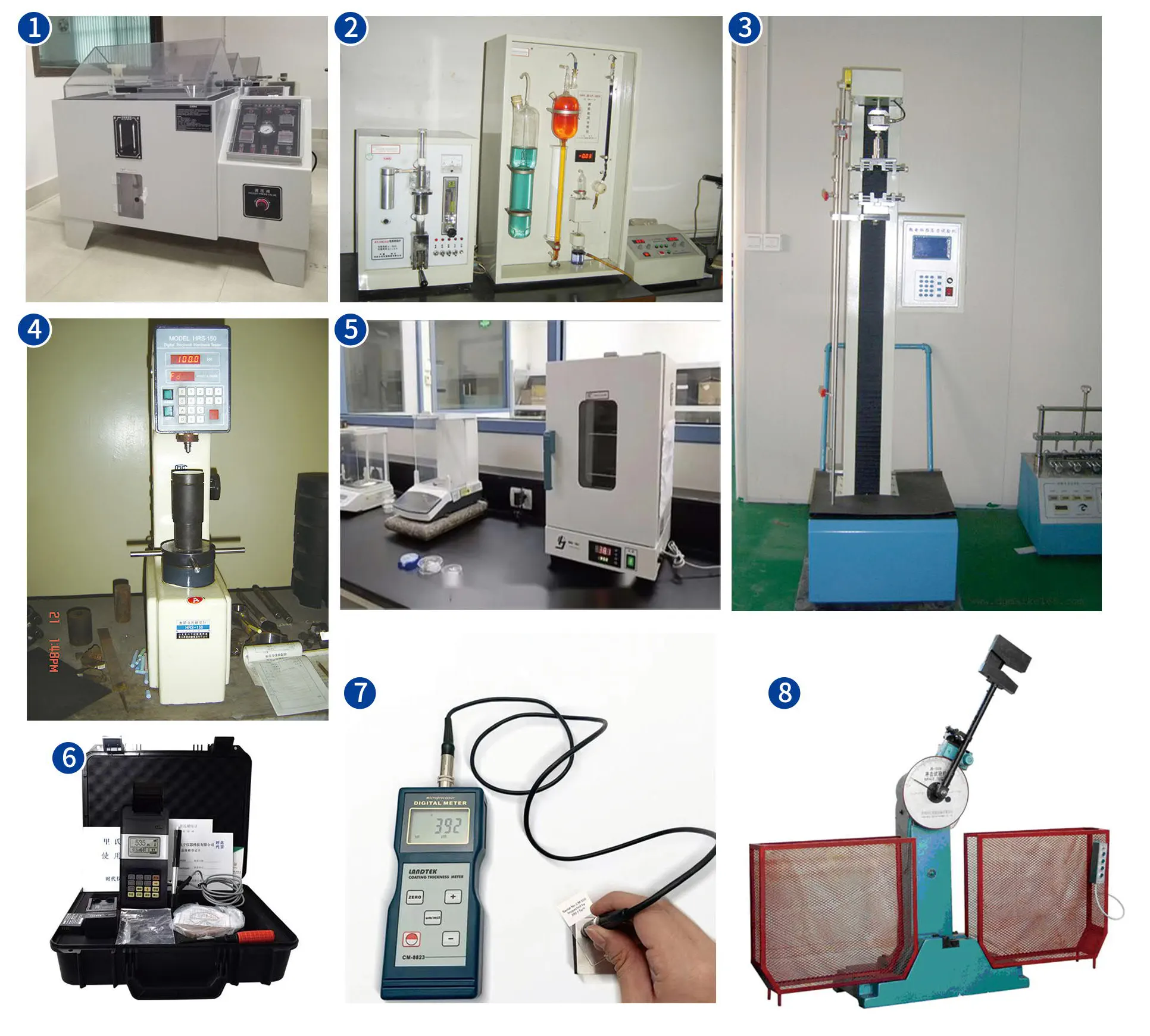
Mempertahankan keandalan tenaga fluida pada armada pertambangan terbuka membutuhkan kebersihan oli hidrolik yang ketat dan protokol diagnostik yang sistematis. Karena silinder teleskopik kerja tunggal mengalirkan volume oli yang besar selama proses pengangkatan, debu kuarsa yang terbawa udara dapat masuk ke reservoir jika penyaringan ventilasi diabaikan.
Target Kebersihan ISO dan Pengeluaran Udara Sistem
Oli hidrolik pada sistem truk pengangkut tambang harus dijaga kebersihannya sesuai dengan kode ISO 4406 18/16/13 atau lebih bersih. Oli yang terkontaminasi mempercepat keausan pada seal tahap dan katup kontrol. Selain itu, udara yang terperangkap di dalam tahap silinder teleskopik harus dikeluarkan secara berkala. Udara yang terperangkap akan terkompresi di bawah beban, menyebabkan perpanjangan tahap yang tersentak-sentak dan potensi guncangan badan truk saat proses pengangkatan.
Prosedur Operasi Standar (SOP) Diagnostik untuk Kebocoran Segel Antar Tahap
Ketika terjadi rembesan oli eksternal pada selubung luar tahap pengoperasian, teknisi dapat mengikuti prosedur diagnostik ini untuk mengidentifikasi penyebab utamanya:
1. Inspeksi Permukaan Tahap Visual
Rentangkan sepenuhnya silinder teleskopik dengan bak penampung kosong dan kencangkan penyangga pengaman. Periksa setiap selongsong tahap berlapis krom keras untuk melihat adanya benturan batu, goresan vertikal yang dalam, atau pengelupasan krom. Goresan yang lebih dalam dari lapisan krom memerlukan perbaikan atau penggantian selongsong.
2. Uji Kebocoran Segel Antar Tahap
Bersihkan semua gland tahap secara menyeluruh. Tarik silinder sepenuhnya, lalu rentangkan perlahan di bawah tekanan hidrolik sambil mengamati setiap sambungan tahap. Jika terjadi kebocoran oli pada gland tahap tertentu, segel U-cup internal atau susunan kemasan Vee untuk tahap tersebut aus atau terdorong keluar dan perlu diganti.
Pertanyaan yang Sering Diajukan: Silinder Teleskopik Truk Dump Tambang
Apa penyebab pecahnya segel antar tahap pada silinder teleskopik truk pengangkut tambang?
Pecahnya segel antar tahap pada silinder teleskopik truk pengangkut tambang terutama disebabkan oleh lonjakan tekanan hidrolik tinggi (> 35,0 MPa) yang terjadi selama pelepasan bijih berat awal atau pergeseran muatan secara tiba-tiba. Lonjakan tekanan ini menyebabkan dinding selongsong tahap luar mengembang secara radial, memperlebar celah ekstrusi di belakang kelenjar segel. Di bawah tekanan tinggi, material segel lunak terekstrusi ke dalam celah yang melebar ini, mengakibatkan kerusakan tumit segel, robekan struktural, dan semburan fluida.
Bagaimana kemasan berbentuk V yang diperkuat kain mencegah ekstrusi segel di bawah lonjakan tekanan?
Kemasan berbentuk V yang diperkuat kain menggabungkan beberapa lapisan kain katun yang diresapi karet ke dalam matriks segel. Penguatan kain ini secara dramatis meningkatkan modulus tarik dan ketahanan ekstrusi bibir segel, mencegahnya terekstrusi ke dalam celah jarak bebas kelenjar yang melebar di bawah lonjakan tekanan hingga 35,0 MPa. Profil V multi-bibir juga mendistribusikan tegangan kontak secara merata di seluruh selongsong tahap, menjaga integritas penyegelan bahkan jika tabung tahap melentur di bawah beban berat.
Mengapa baja paduan rendah Q345D lebih disukai untuk silinder dump pertambangan di luar jalan raya?
Baja Q345D memberikan kekuatan luluh melebihi 345 MPa dan penyerapan energi benturan Charpy V-notch yang terjamin sebesar ≥ 34 Joule pada suhu pengujian -20°C. Kombinasi kekuatan luluh yang tinggi dan ketahanan benturan di bawah nol ini mencegah distorsi tabung tahap struktural dan patah getas saat membuang bijih berat di lingkungan pertambangan musim dingin yang dingin, mengungguli baja karbon standar Q235 atau AISI 1020.
Bagaimana cincin penahan anti-ekstrusi PEEK memperpanjang masa pakai segel silinder teleskopik di pertambangan?
Cincin penahan anti-ekstrusi PEEK (Polyetheretherketone) dipasang langsung di belakang segel tahap utama. PEEK memiliki modulus tarik tinggi (> 3.500 MPa) dan ketahanan termal tinggi, sehingga mampu menutup celah ekstrusi yang melebar ketika tabung tahap mengembang secara radial di bawah tekanan. Dengan mencegah tumit segel elastomer lunak keluar ke celah, cincin PEEK menghilangkan kerusakan akibat ekstrusi dan memperpanjang masa pakai segel dalam operasi pertambangan berat.
Pengadaan Strategis dan Total Biaya Kepemilikan
Bagi perusahaan pertambangan terbuka dan kontraktor pengangkutan, kegagalan silinder yang tak terduga menyebabkan waktu henti truk pengangkut dan mengganggu jadwal produksi. Pembelian silinder pengganti berbiaya rendah yang terbuat dari baja karbon berdinding tipis atau segel bibir tunggal dasar seringkali mengakibatkan kerusakan segel berulang, tumpahan oli, dan peningkatan total biaya operasional dari waktu ke waktu.
Tim pengadaan peralatan dapat mengevaluasi penawaran teknis di berbagai bidang. pilihan silinder hidrolik mesin pertambangan untuk meninjau sertifikasi material, peringkat tekanan, dan desain paket segel. Melengkapi truk pertambangan dengan peralatan tugas berat. silinder pengangkat atas depan Dirancang dengan menggunakan baja paduan rendah Q345D, perlindungan permukaan krom keras, dan paket segel tahan aus multi-tahap, memastikan keandalan operasional jangka panjang dan biaya operasional total yang lebih rendah dalam aplikasi pengangkutan pertambangan berat.
Taklukkan Pengangkutan di Tambang Terbuka dengan Tenaga yang Tahan Pecah
Hilangkan kerusakan segel antar tahap, cegah penggerogotan ekstrusi di bawah lonjakan tekanan, dan pertahankan efisiensi pembuangan bijih berat yang andal. Jelajahi rangkaian lengkap silinder pengangkat teleskopik multi-tahap Q345D aksi tunggal kami yang dirancang untuk truk pengangkut tambang di luar jalan raya.